
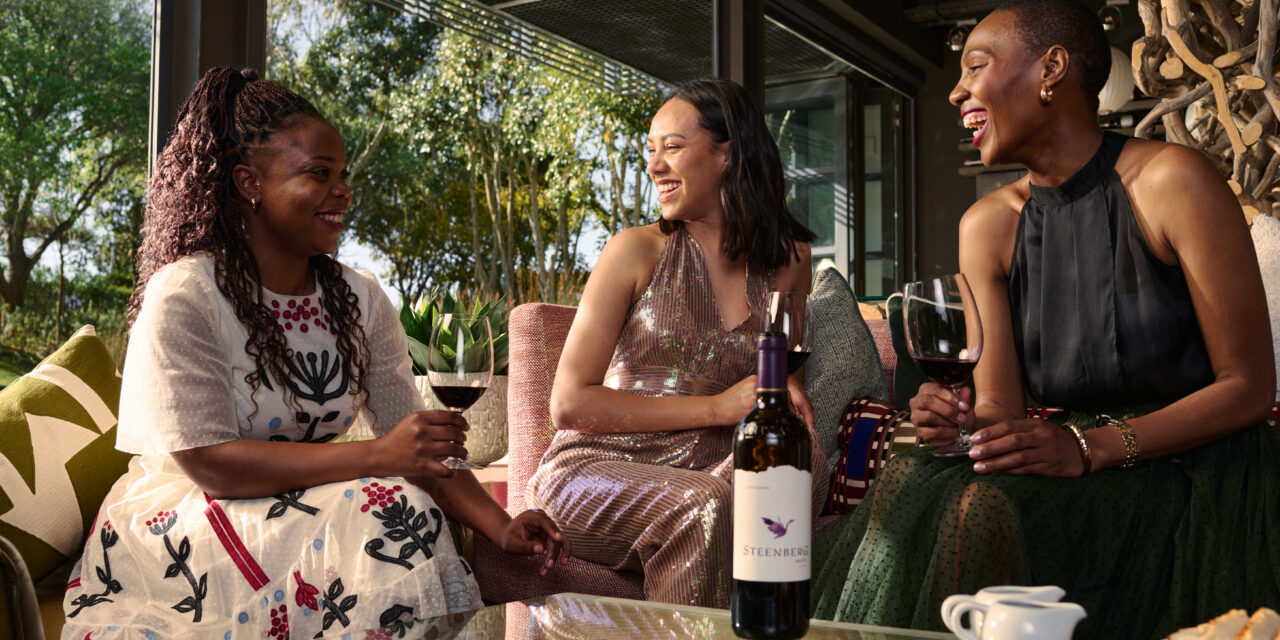
Merlot has long carried a reputation as the approachable red. It is the bottle poured without much ceremony, valued for soft fruit and easy drinking rather than prestige. That perception is beginning to change.
Across South Africa, producers are placing greater emphasis on provenance, site selection and precision viticulture, revealing a side of Merlot defined by structure, complexity and remarkable ageing potential.
The shift comes as the varietal continues to play a significant role in local winemaking. Merlot accounts for around 6% of South Africa’s wine grape plantings and 13% of red wine varieties, with roughly 6.5 million litres sold annually. Yet its premium credentials have often remained underappreciated.
Why provenance is changing Merlot’s reputation
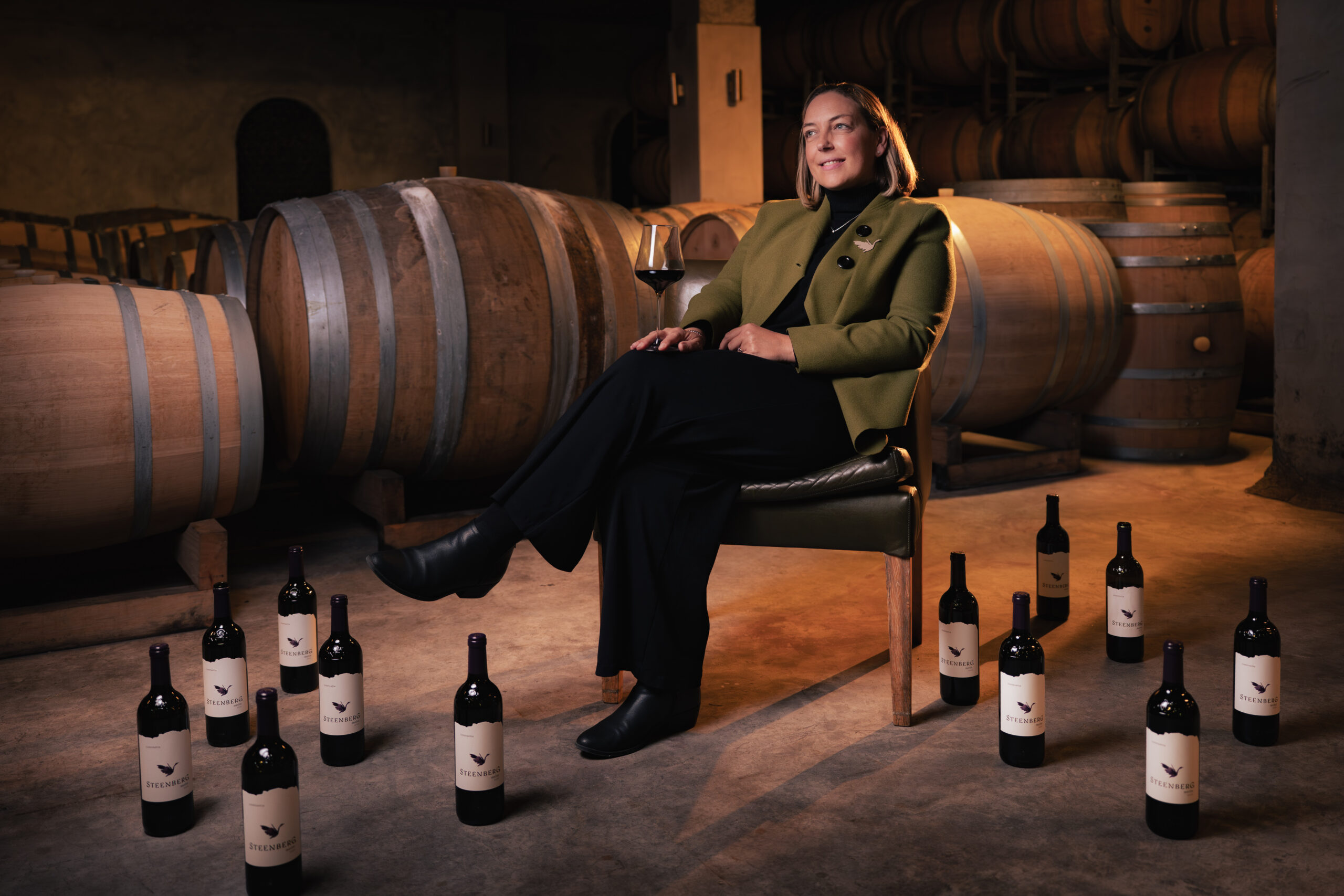
“Merlot is often underestimated, yet some of the world’s most celebrated wines are built around it. “A greater focus on provenance and vineyard expression is revealing its complexity, structure and ageing potential,” says Elunda Basson, Cellarmaster at Steenberg Vineyards.
Her comments reflect a broader movement within the wine industry. Organisations such as the Wine Scholar Guild continue to highlight how climate, soil and vineyard exposure shape Merlot’s fruit profile, tannin structure and longevity.
Rather than treating the grape as universally forgiving, producers are increasingly recognising how dramatically it responds to where it is grown.
The vineyard matters more than ever
Merlot rewards precision.
According to Basson, finding the right balance of climate is essential.
“Merlot is particularly responsive to site. Too cool, and ripeness can be compromised. Too warm, and freshness can be lost.”
That philosophy is evident in Constantia, where Steenberg’s vineyards benefit from east-facing slopes and a maritime climate that encourages slow, even ripening. The combination helps build flavour, colour and tannin while preserving freshness.
The vineyards themselves are the result of years of refinement, with plantings concentrated in blocks that consistently produce better balance and flavour development.
Precision viticulture is redefining quality
The modern approach to Merlot extends far beyond choosing the right vineyard.
“Great Merlot is built through hundreds of decisions throughout the growing season,” says Steenberg Viticulturist Vlok Hanekom.
“Our role isn’t simply to grow grapes. It’s to create the foundation for the style of wine we want to make.”
Those decisions include spur pruning to regulate crop levels, careful canopy management to improve airflow and sunlight exposure, and green harvesting to concentrate flavour in the remaining fruit.
Harvest timing is no longer dictated by sugar levels alone.
“We’re looking for complete physiological ripeness, where fruit, tannins and acidity are in balance,” Hanekom explains.

From vineyard to cellar
The same focus on restraint continues once the grapes reach the cellar.
At Steenberg, techniques such as partial saignée increase concentration, while ageing in older French oak barrels allows fruit purity and site expression to remain at the forefront rather than being dominated by new oak.
“Every cellar decision protects fruit purity and acidity while building depth, texture and longevity,” says Basson.
The result is a style that favours dark berry fruit, plum, cedar and spice, supported by refined tannins and vibrant acidity instead of excessive weight.
A broader opportunity for South African wine
This evolution speaks to something larger than one producer.
“South Africa has all the ingredients to produce world-class Merlot,” Hanekom says.
“Success comes down to matching the variety to the right sites and managing it with precision.”
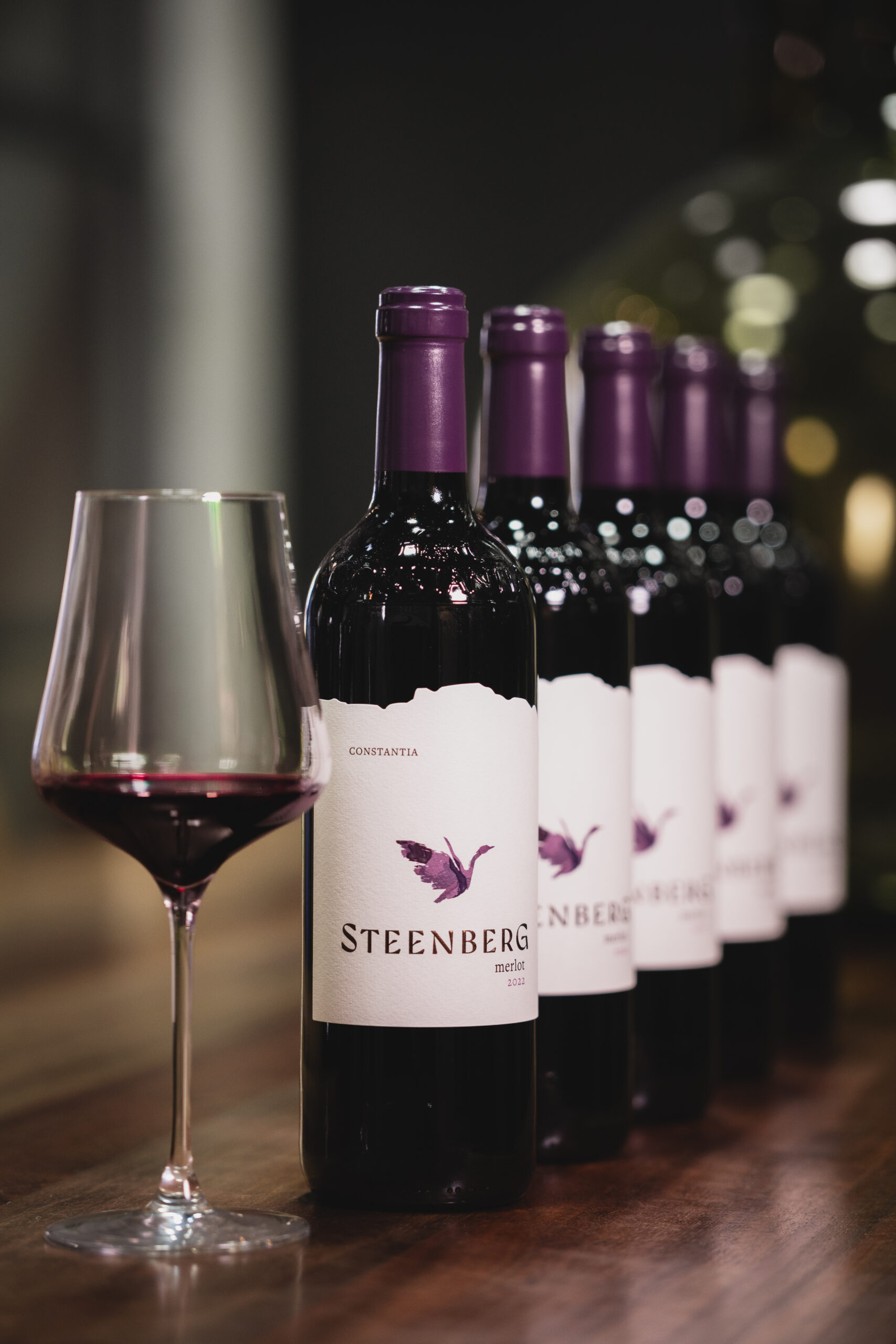
Recent international recognition suggests that approach is gaining traction. Steenberg Merlot earned a Platinum Medal at the 2026 Decanter World Wine Awards and was named Merlot of the Year at the 2026 London Wine Competition.
For Hanekom, however, the awards are simply evidence of a bigger transformation.
“They are the outcome. The real story begins in the vineyard.”
As South African winemaking continues to prioritise terroir and precision, Merlot is beginning to shake off old assumptions. Rather than being defined by accessibility alone, it is emerging as a varietal capable of delivering elegance, balance and the kind of longevity that has always earned the world’s greatest wines their reputation.
