
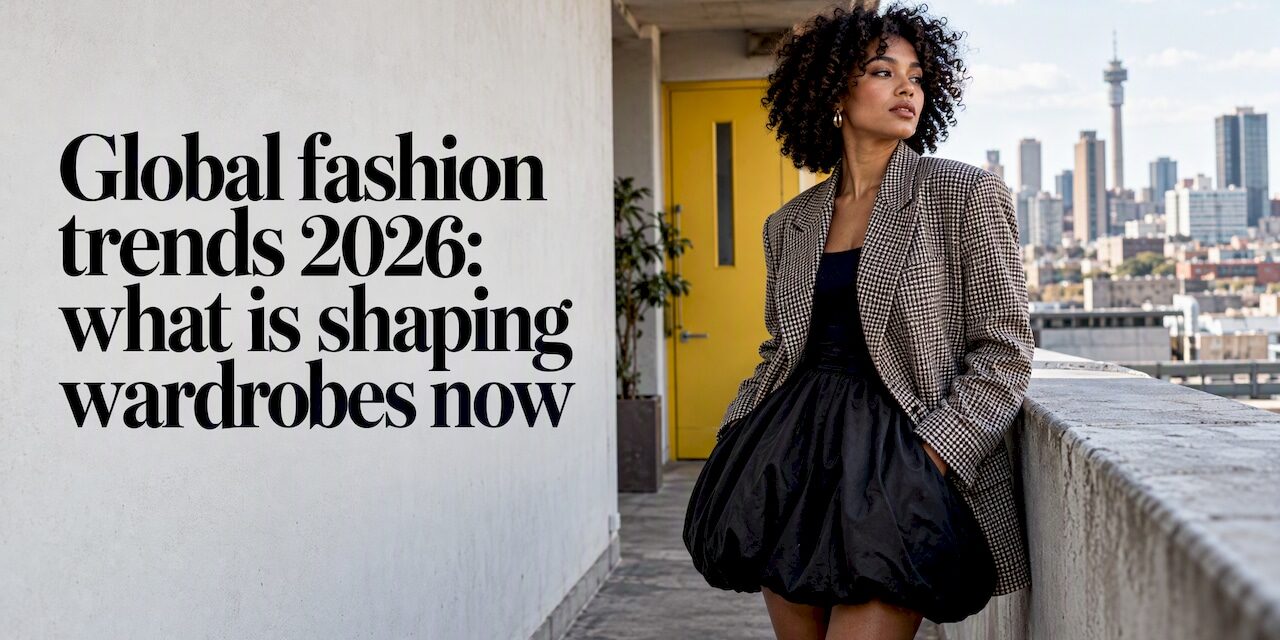
The global fashion story of 2026 is maximalism with a purpose. Volume, print and colour are back on the runways, while utility, resale and adaptable design decide what people actually buy. In South Africa, designers take those global shapes and make them local with heritage motifs, beadwork and bolder colour. Below is what is happening, where it comes from, and how to wear it in Johannesburg.
TL;DR
- Maximalism leads: dramatic volume, strong prints and checks, after years of quiet luxury.
- Autumn/winter looks lean towards utility and handcraft, with waterproof layers sitting beside cable knits and brushed wool.
- Resale is now mainstream retail, not a niche, and it is growing faster than buying new.
- South African designers localise global trends through Ndebele-inspired surface design, hot pink and cactus green, and adaptable, modular pieces.
- The smartest way to follow trends is to buy fewer, better pieces and mix them with what you already own.
Table of Contents
- The mood of 2026: from quiet luxury to maximalism
- Runway trends 2026: what the catwalks are saying
- The trends at a glance
- How South Africa makes global trends its own
- Resale is now part of the trend cycle
- Trends travel through people, not just runways
- Trends worth skipping, and trends worth keeping
- How to wear the 2026 looks in Johannesburg
- Our perspective
- Follow the trends with Joburgstyle
- FAQ
- Sources
The mood of 2026: from quiet luxury to maximalism
One fashion editor summed up the year as a slow shift from quiet luxury into an era of maximalism. That is a useful way to read the season. Instead of one dominant silhouette, you get a handful of strong ideas that sit well together: volume, pattern, texture and a bit of theatre.
The common silhouettes include puffed sleeves, barrel jeans and bubble skirts, according to a South African trend round-up. They are shapes that take up space, and they are easiest to wear when you balance them. Pair a bubble skirt with a fitted knit, or barrel jeans with a sharp shirt, and the look reads as intentional rather than costume.
The business side matters too. McKinsey’s outlook for the year describes an industry focused on resilience rather than growth alone, with AI used for cost management and supply chains and a push towards circular models. For shoppers, that shows up as more resale options, tighter collections and a stronger focus on pieces that last.
Runway trends 2026: what the catwalks are saying
Checks and heritage patterns, reworked
Checks are probably the leading print of the autumn/winter 2026 runways, and the most wearable. Who What Wear even asks whether plaid will replace polka dots as the most hyped print.
Houndstooth and Prince of Wales checks are not new, which is why they work. At Milan, several brands drew on British-derived heritage menswear fabrics for fall 2026 tailoring, as WWD reported. The update is in the softer architecture: relaxed volumes, different scales, and unexpected pairings such as checks with animal print.
If you have been asking whether houndstooth is still in style for 2026, the answer is yes, but oversized or irregular in scale looks fresher than the tight, classic version. Texworld’s winter 27/28 preview points the same way, with quilted checks and irregular stripes among the textural ideas.
Utility meets craft
Looking ahead to winter 2027, the same Texworld overview names two themes: Urban Outdoors and Tender Craft. Urban Outdoors blends outdoor utility with city dressing, such as waterproof layers and padded textiles. Tender Craft brings in the handmade: cable knits and brushed woollens.
The shared message is that glamour alone is no longer enough. Clothes should work hard, feel good and look considered. A padded gilet over a cable knit is the type of outfit that sums it up.
Tailoring with attitude
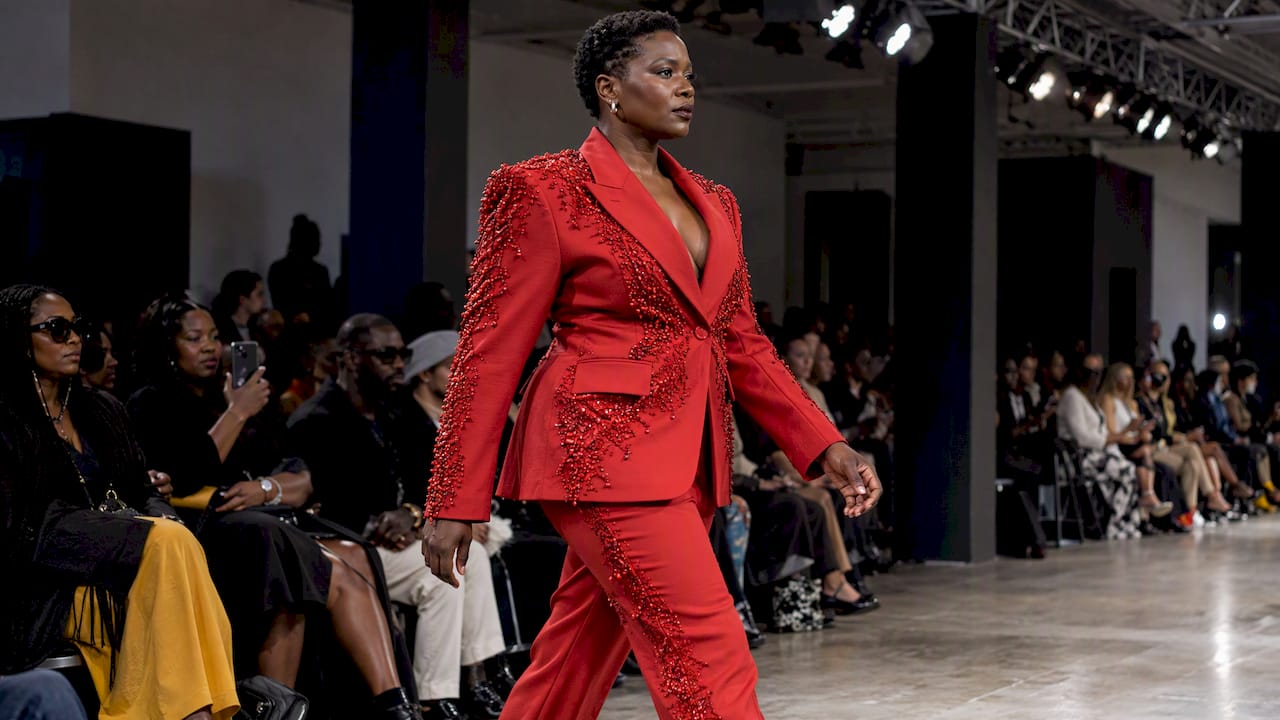
Tailoring remains a pillar. Souped-up shoulders, relaxed trousers and blazers worn with something unexpected, such as daytime sequins, are the direction. For a Johannesburg winter morning that turns into a warm afternoon, a good blazer is one of the most flexible pieces you can own.
The trends at a glance
| Trend | What it looks like | How to wear it |
|---|---|---|
| Maximalist volume | Puffed sleeves, barrel jeans, bubble skirts | Balance with one fitted piece |
| Checks and heritage prints | Oversized houndstooth, plaid, irregular scale | Mix with texture, not another loud print |
| Urban Outdoors | Waterproof layers, padded textiles | Layer over tailoring for city days |
| Tender Craft | Cable knits, brushed wool | Pair with clean, structured trousers |
| Resale and vintage | Pre-owned designer, archive pieces | Use for statement items |
| Adaptable design | Detachable, reconfigurable garments | Choose pieces that fit many bodies |
How South Africa makes global trends its own
Global silhouettes do not arrive in Johannesburg unchanged. Local designers add heritage motifs such as Ndebele patterns, and the palette tends towards high-impact colours like hot pink and cactus green rather than the muted neutrals more common elsewhere, according to the Ubuntu Times. The same report notes that earthy neutrals such as sand, stone and soft brown still anchor many collections, so the picture is not all neon.
Power dressing, with beadwork
At South Africa Fashion Week, designers reinterpreted 1980s power dressing through local craft. Pynck’s runway guide describes collections that reflected the bold, dramatic spirit of fashion in the country, and that the trends showed different characters in the two host cities. Beadwork, heritage textiles and confident print-making keep the work globally relevant and rooted in community.
Clothes that adapt
One of the most human ideas of the year is adaptability. At SAFW Spring-Summer 2026, Wanted reported a shift away from rigid ideas of fit towards pieces that adjust, detach or reconfigure, naming designers such as Black Coffee and Helon Melon. Modular garments are more inclusive, and they also stretch your wardrobe further.
For more on the local scene, see our coverage of Day 3 at SA Fashion Week in Melrose Arch, the FIASA Awards and designer David Tlale’s 20 years in the industry.
Resale is now part of the trend cycle
The most important shift is not a silhouette. It is how people shop. The global secondhand apparel market is forecast to reach USD 317 billion by 2027, and 59% of consumers globally say they intend to buy secondhand in 2026. That report also says the secondhand market is expected to grow two to three times faster than firsthand between 2025 and 2027.
McKinsey frames this as a move from a sustainability experiment to an essential customer acquisition channel for Gen Z and aspirational shoppers. OC&C describes a polarised market: luxury brands push investment pieces, mass-market brands push affordability, and vintage and resale fill the gap by offering unique aesthetics at reachable prices.
These figures describe global and mainly US and European markets, so treat them as direction rather than a South African forecast. The takeaway at home is still practical: a pre-owned checked blazer or a vintage statement piece is a smart way to join a trend without paying full price.
Trends travel through people, not just runways
In 2026 a look often reaches you through a creator’s feed before it reaches a shop floor. That is why brands invest in influencer marketing strategies alongside shows and editorial. As a reader, it helps to separate what you see repeatedly online from what suits your life, budget and climate.
Trends worth skipping, and trends worth keeping
Not every trend deserves space in your wardrobe. A few simple tests help:
- Will you wear it at least thirty times? If the answer is no, borrow, rent or buy it pre-owned.
- Does it work with three things you already own? Maximalist pieces need a calm partner.
- Is the fabric right for Highveld weather? Heavy padding is lovely in July and useless in October. Layerable pieces win.
- Does it fit your body now? Adaptable design exists for a reason.
- Is the print loud enough to carry the outfit alone? If so, keep everything else quiet.
Trends that show up in more than one place, such as checks, adaptable fit and heritage craft, tend to last longer than a single viral item.
How to wear the 2026 looks in Johannesburg
For work
Start with tailoring. A relaxed blazer in an oversized check, a fitted knit and straight trousers give you the season’s pattern without looking busy. Add a bold bag in hot pink or cactus green if you want the local colour story.
For weekends
Barrel jeans, a cable knit and clean sneakers cover the utility and craft ideas at once. Add a lightweight waterproof layer for the odd afternoon storm.
For events
This is where maximalism pays off. Puffed sleeves, a bubble skirt or a beaded detail from a local designer are all strong choices. Our Walk Your Worth coverage at SA Fashion Week and the homegrown luxuries feature are good places to find ideas and names to know.
For modest dressing
Layered, flowing and adaptable looks sit well with the season’s volume. We have looked at modest fashion brands in Dubai and South Africa’s import costs for readers who shop across both markets.
Our perspective
We cover fashion from Johannesburg and Dubai, so we see the same trend arrive in two very different places. What interests us is not who showed it first, but who makes it feel true. A puffed sleeve from a global house is a shape. The same sleeve cut in a heritage print by a local designer is a story, and it is the story that readers remember.
Our view for 2026 is simple. Follow the global direction, but buy for your own life. Support designers who bring craft and community into the work, look at resale before you buy new, and choose pieces that adapt as you do. That is also why we give space to emerging designers and local initiatives, not only the big names: the most exciting ideas often start in a studio close to home.
— Chad
Follow the trends with Joburgstyle
If you want to see these trends in context, Joburgstyle brings together fashion, lifestyle, arts and culture coverage from Johannesburg, South Africa and Dubai, including event reports, designer features and interviews. Browse the site for the next runway moment, the next local label to watch and the events where fashion meets community.
FAQ
What are the latest fashion trends for 2026?
The main ideas are maximalist volume, checks and heritage prints, tailoring with attitude, utility-led layers and handcrafted knits. Resale and adaptable design are shaping how people shop and what they buy. In South Africa, add Afrocentric surface design and bold colour.
Is houndstooth in style for 2026?
Yes. Houndstooth and Prince of Wales checks remain staples, but designers are showing them in relaxed volumes and different scales, sometimes paired with animal print. Oversized or irregular versions feel the most current.
What are the fashion trends for winter 2027?
Trade forecasts such as Texworld’s point to Urban Outdoors and Tender Craft. Expect waterproof and padded layers alongside cable knits, brushed wool, quilted checks and irregular stripes. These are fabric and aesthetic forecasts, so the finished garments will vary by designer.
Which colours are popular in South Africa in 2026?
Hot pink and cactus green stand out as high-impact choices, according to local trend coverage. Earthy neutrals such as sand, stone and soft brown also anchor many collections, so you can mix a bold accent with a calm base.
Is buying secondhand really a trend, or just a phase?
Industry reports describe resale as a structural part of retail, forecast to grow two to three times faster than buying new between 2025 and 2027. Those figures are global, but the appeal is clear anywhere: unique pieces at lower prices.
Sources
- 17 Autumn/Winter 2026 Trends That Will Define Style This Season, Who What Wear
- South Africa’s 2026 Fashion Trends, Ubuntu Times
- What to expect in the global fashion industry in 2026, McKinsey
- Womenswear Tailoring for Fall 2026, WWD
- Texworld Fall/Winter 27/28 Trend Overview
- South Africa Fashion Week 2026 Top Runway Trends Guide, Pynck
- SAFW SS26: Where garments move, Wanted
- The State of Fashion 2026: 10 Trends Reshaping Fashion Retail, E-commerce Germany News
- Fashion Reincarnated, OC&C Strategy Consultants
- Influencer Marketing Strategies That Drive Real Brand Growth
