

Printed books continue to shape learning, improve memory and encourage a lifelong love of reading
As the world marks International Literacy Day on 8 September, the value of the printed book remains as relevant as ever. Whether it is a child discovering the joy of reading or an adult seeking a moment of escape, paper books continue to play an essential role in learning, wellbeing and literacy.
This year also marks the 60th anniversary of International Literacy Day, highlighting a simple truth: literacy begins with a person, a book and the ability to read.
“Paper books can determine how deeply we read, how much we remember and how children learn to love reading,” says Samantha Choles, Communications Manager for the Paper and Allied Manufacturers of South Africa (PAMSA).
She adds that the conversation is not about choosing books over technology.
“Devices such as smartphones and tablets are convenient, portable and a powerful way to distribute free reading material where books are scarce.”
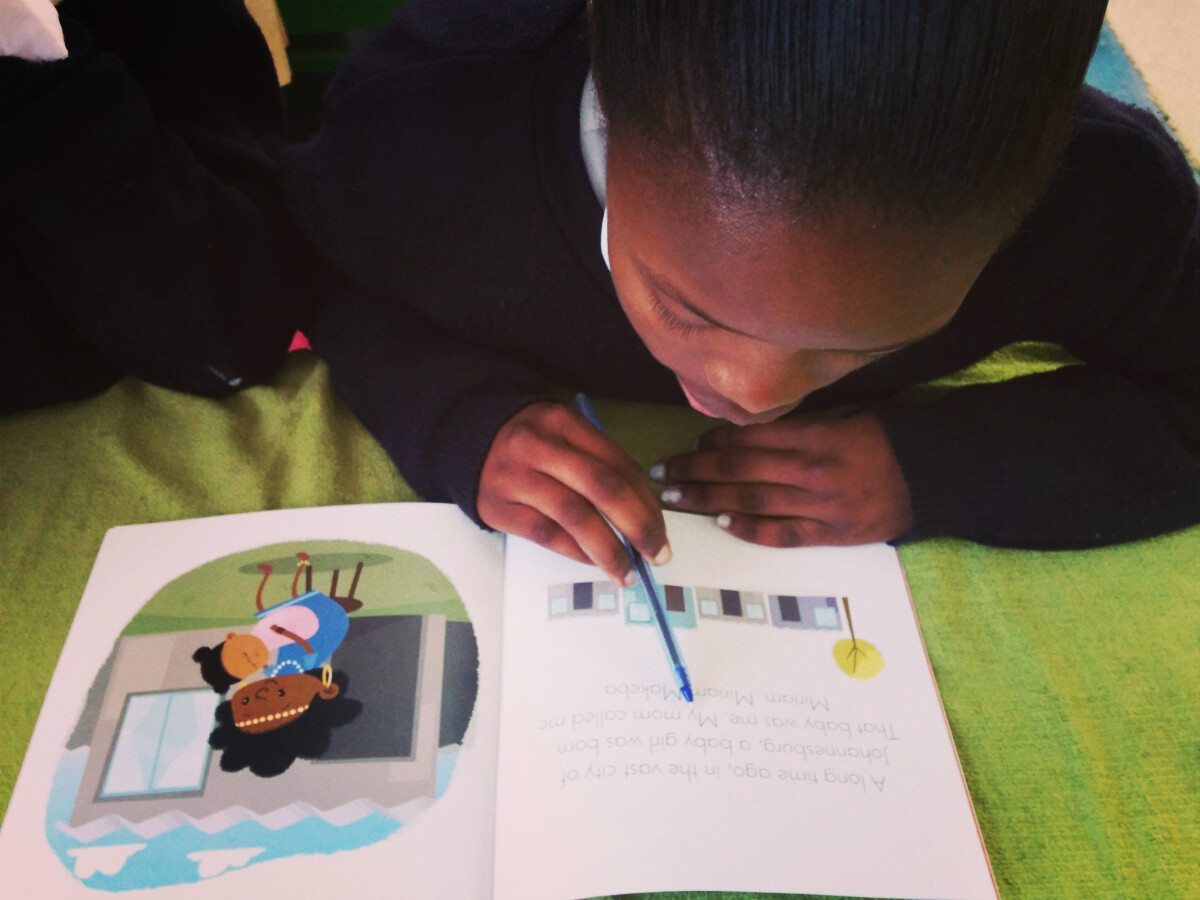
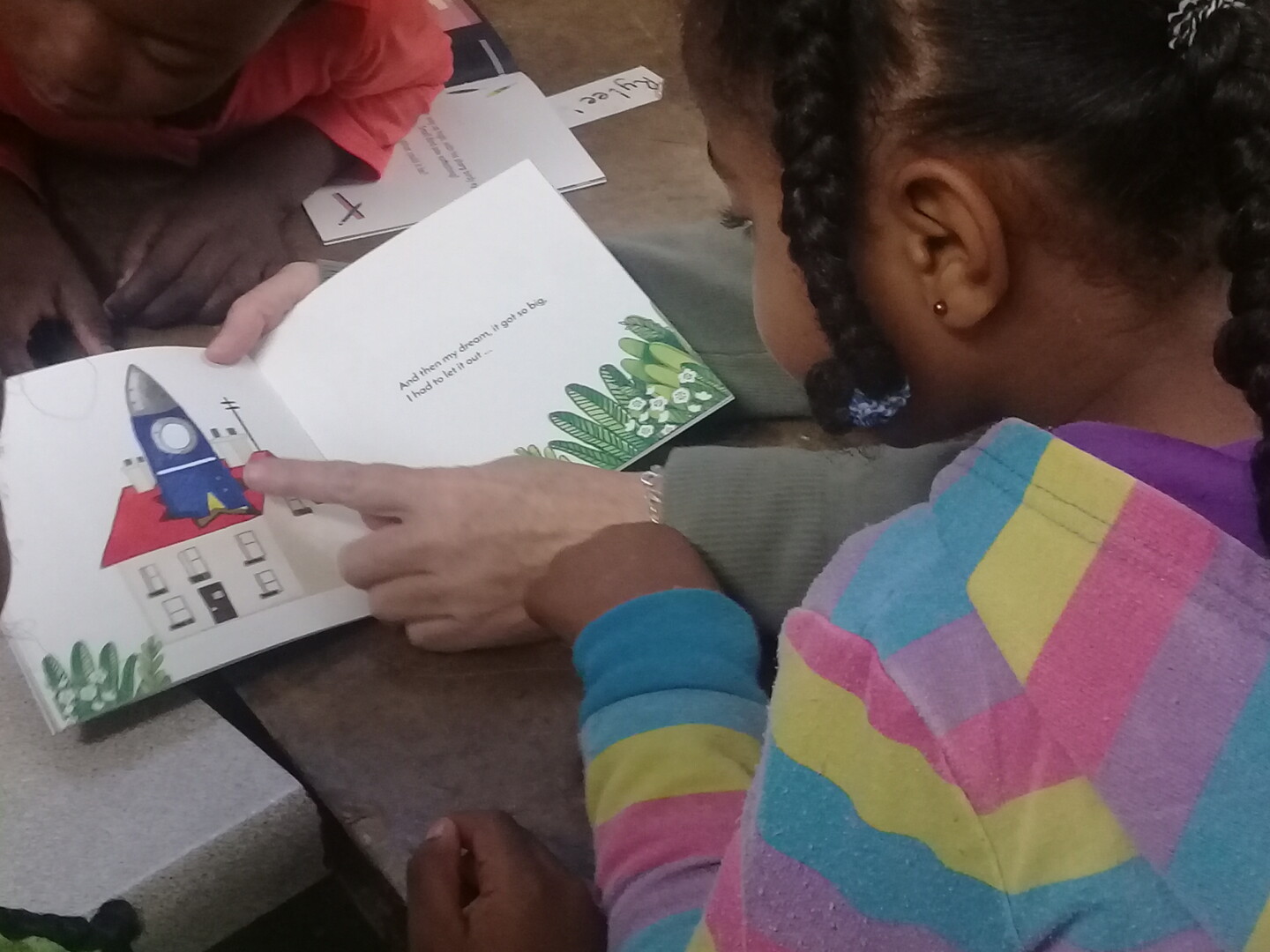
Why printed books remain important
While digital devices have transformed access to information, printed books offer benefits that screens cannot always replicate.
Reading a physical book creates space to disconnect from constant notifications and digital distractions. According to research by Mindlab International at the University of Sussex, reading can reduce stress levels by up to 68%.
Unlike blue light from screens, which can delay sleep and suppress melatonin, paper books, newspapers and magazines encourage a more relaxing reading experience.
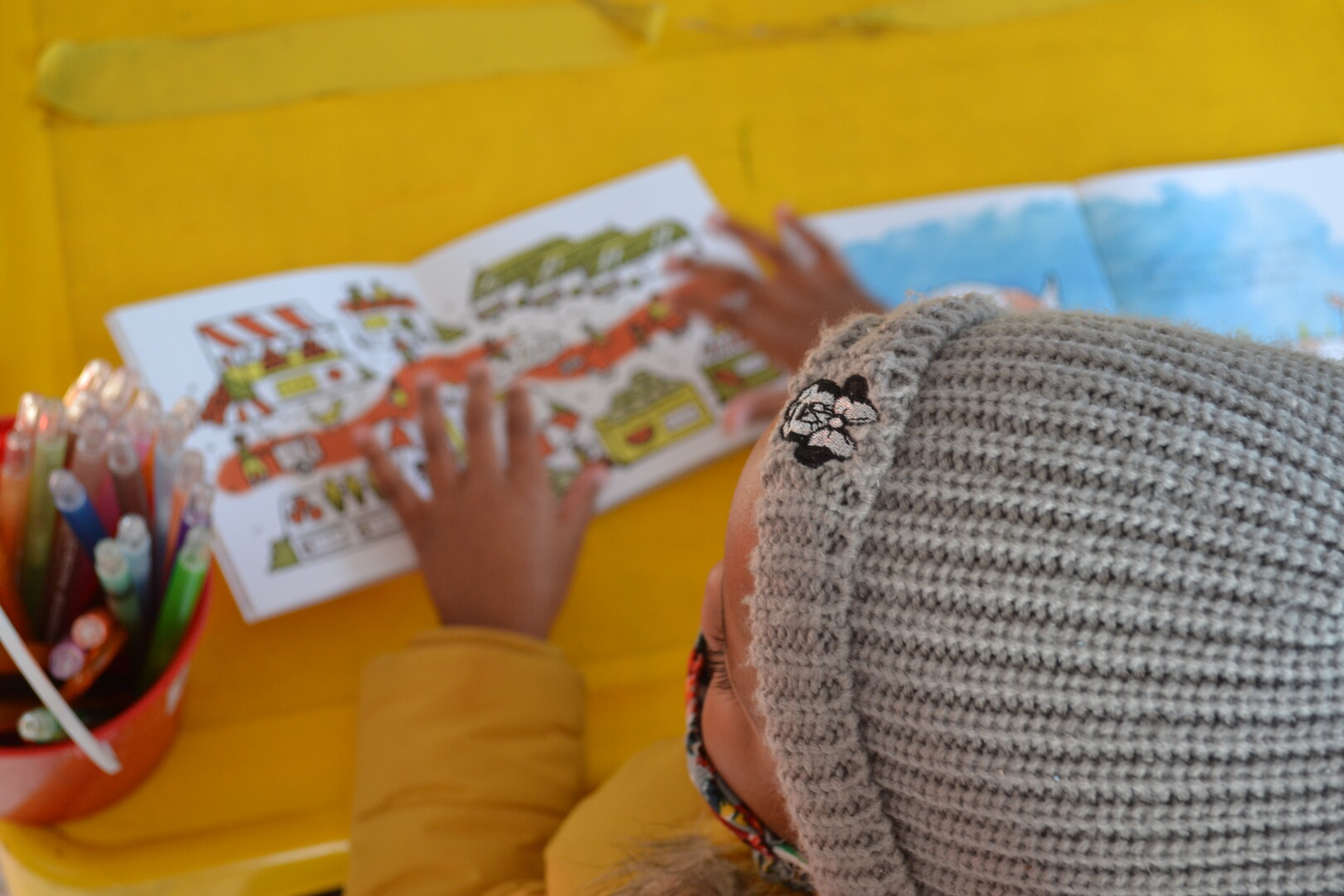
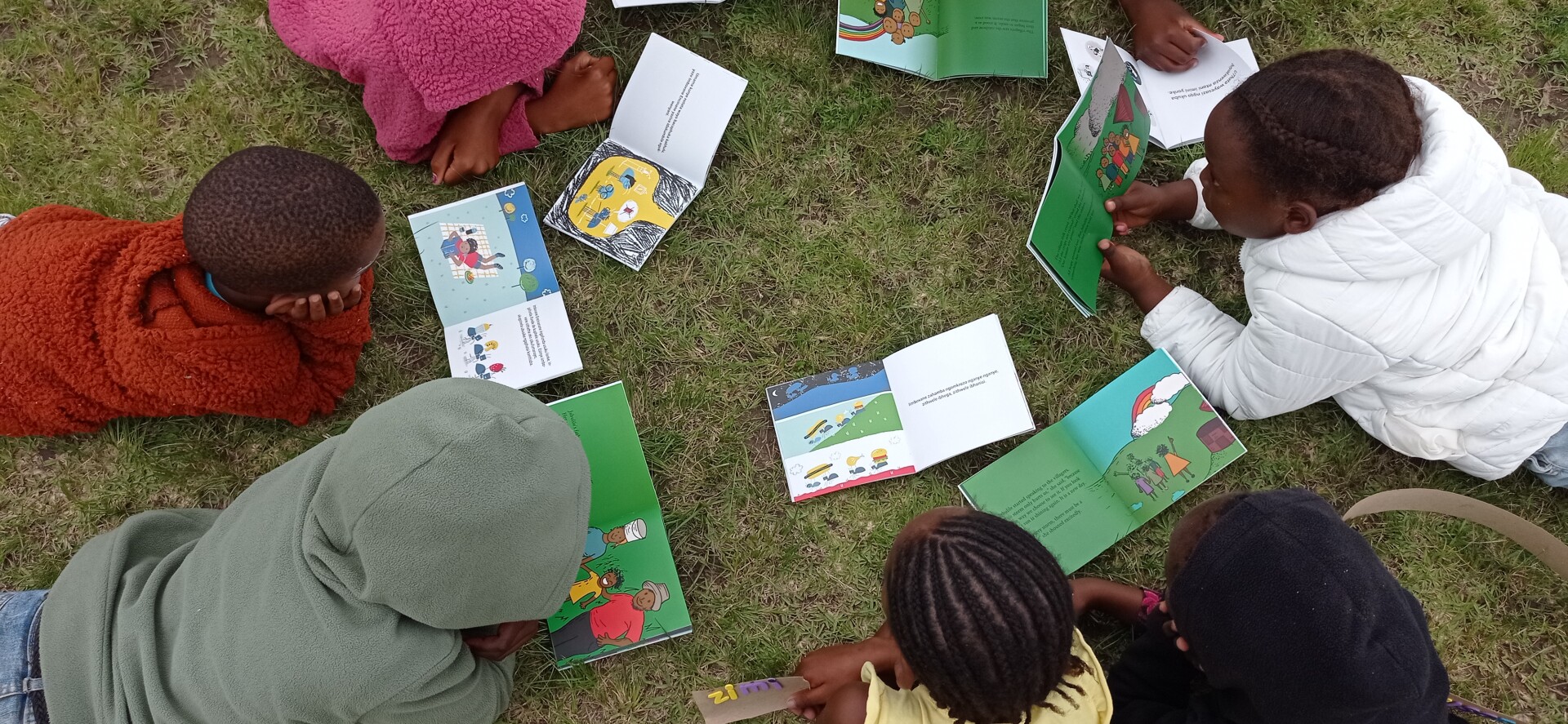
How print supports better learning
The benefits of print extend beyond leisure reading. Physical books also play a significant role in education and child development.
Writing by hand, turning pages and even making notes in the margins create a more active learning experience. These physical interactions help the brain build a mental map of information, making it easier to remember where content appeared on a page.
Research from the Norwegian University of Science and Technology found that children who learn to read and write primarily on digital devices can struggle to distinguish similar letters, such as b and d.
Studies from Macquarie University also suggest that reading on screens is generally less effective for comprehension and long-term memory than reading printed text.

Gen Z still prefers print
Despite growing up in a digital world, younger generations continue to value printed reading materials.
The 2021 Academic Reading Format International Study (ARFIS) surveyed more than 21,000 students across 33 countries and found that most preferred reading academic material in print.
The study revealed that:
-
Nearly 82% said they concentrate better with printed materials.
-
More than 70% believed they remember information more effectively when reading on paper.
This growing body of evidence has prompted some countries, including Denmark, to reintroduce printed textbooks and reduce technology use in classrooms.
International Literacy Day reminds us that books build more than literacy
International Literacy Day is about more than simply reading words on a page. Literacy forms the foundation for critical thinking, problem-solving and meaningful participation in society and the economy.
Choles believes access to printed books remains essential.
“We are doing humanity a great disservice without access to printed books and reading material,” she says.
Quoting education reformer Horace Mann, she concludes: “A house without books is like a room without windows.”
