

South African fashion and beauty businesses are finding innovative ways to reduce waste and rethink how products are made. But when environmentally responsible choices cost more, can consumers really be expected to carry the burden of fashion’s climate impact?
By Victoria Hill
What if the most environmentally responsible choice is also the most expensive one? It is a question increasingly facing the fashion and beauty industries as the climate crisis forces businesses to reconsider how products are designed, manufactured and discarded.
From the fibres used in clothing to the packaging around a beauty product, environmental impact exists throughout the lifecycle of what we buy. Better materials, smaller production runs, local manufacturing, responsible sourcing and longer-lasting products can all reduce that impact. But they can also increase costs.
For South African consumers, that creates a difficult contradiction. People may want to make more responsible choices, but when household budgets are tight, affordability can win.
The environmental cost of what we wear
A garment’s environmental footprint begins long before it reaches a shop.
Raw materials require land, water and energy. Fibres must be processed into textiles, fabrics dyed and garments manufactured. Products are then transported before reaching consumers, and at the end of their useful life they may be donated, resold, recycled or discarded.
Globally, around 92 million tonnes of textile waste are generated each year, according to the United Nations Environment Programme (UNEP).
South Africa’s data is less comprehensive. A 2026 World Intellectual Property Organization (WIPO) publication, citing South African textile-recycling initiative Rewoven, states that textile waste accounts for 6.5% of total landfill waste in South Africa, estimated at around six million tonnes. Rewoven has also diverted more than one million kilograms of textile waste from landfill during its commercial pilot.
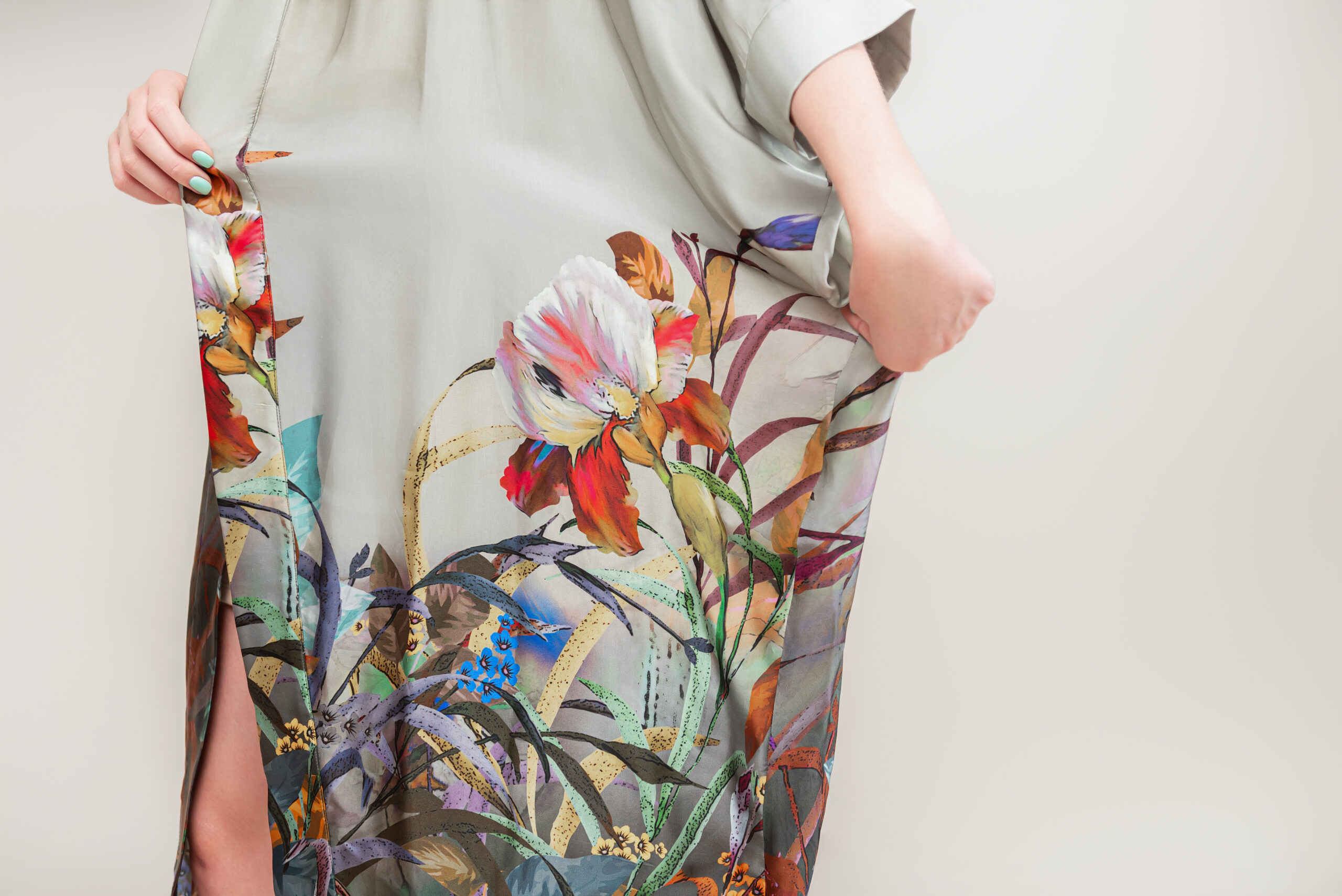
That challenge is exactly what brands such as Fluidity are trying to address. Co-founder Romy Jankelowitz describes the brand as being about “slow, lasting, quality fashion”, with garments designed to remain relevant beyond a single season. The company uses South African fabric suppliers and local CMT manufacturers, supporting local production alongside its focus on longevity.


Why cheap fashion is so difficult to compete with
The environmental argument becomes even more complicated when economics enter the equation.
In 2024, online fashion platforms Shein and Temu generated approximately R7.3 billion in South African sales, according to research reported by Reuters. Together, they accounted for 3.6% of the country’s clothing, textile, footwear and leather market and 37.1% of its e-commerce market. By comparison, H&M, Zara and Cotton On collectively held 3.4% of the overall market.
Research from the South African Bureau of Market Research found that Shein and Temu can sell products 30–50% cheaper than local equivalents, helped by economies of scale, international supply chains, air-freight logistics and the absence of local stores, warehouses and staffing infrastructure.
This is compounded by South African households spending an average of R7,196 on clothing and footwear in 2023, representing 5% of total household consumption expenditure. Gauteng’s average was R8,561.
For a consumer trying to make that annual clothing budget stretch, the difference between a R300 garment and a R1,500 one is significant.
Research by Madinga, Aspeling and Dlamini suggests that price really does influence sustainable-fashion decisions. A 2024 study of 350 South African millennials found that environmental concern and durability can encourage sustainable-fashion purchasing, while price sensitivity remains a barrier to adoption.
For Naked Ape founder Shaldon Kopman, that conversation begins with consumption itself.
“We’re a buy less, wear more type of brand,” he says, arguing that clothing should be considered in terms of cost per wear, rather than how cheaply it can be purchased.
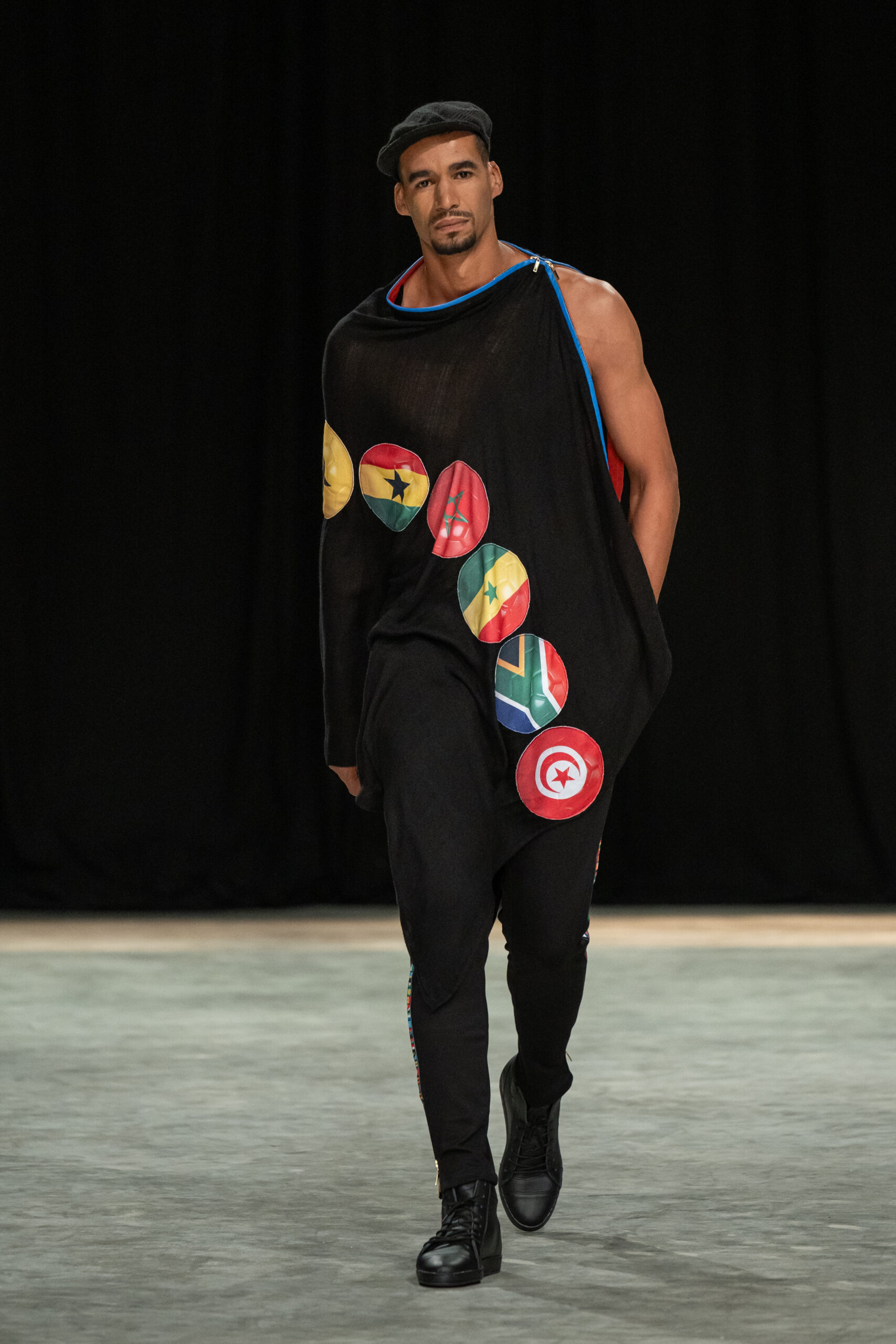
Naked Ape’s Eco² philosophy — “ethical, ecological and economic” — combines slow fashion, natural fibres and craftsmanship, while the brand works with vintage textiles, surplus fabrics and forgotten rolls of cloth to give existing materials another life.

The price of making clothes differently
Fluidity’s commitment to longevity extends beyond fabric choices. Rather than simply scaling a garment into larger sizes, the brand individually develops its sizing from XS to 8XL, arguing that well-made clothing should work for the person wearing it rather than becoming a disposable seasonal purchase.
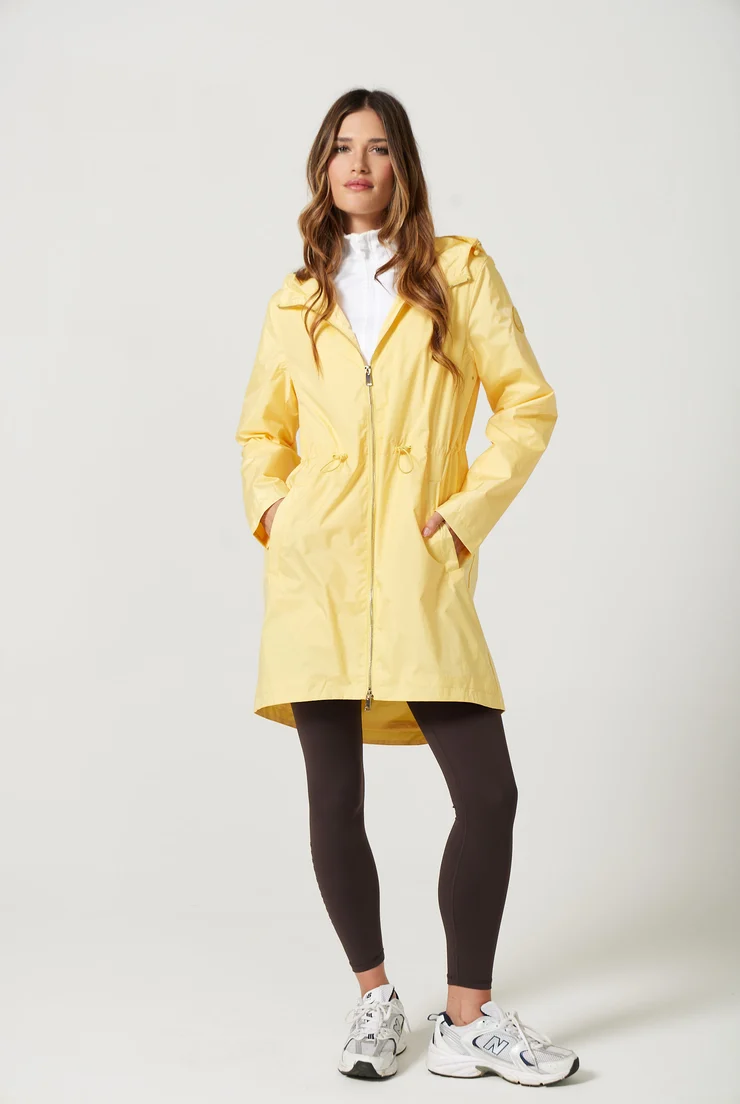
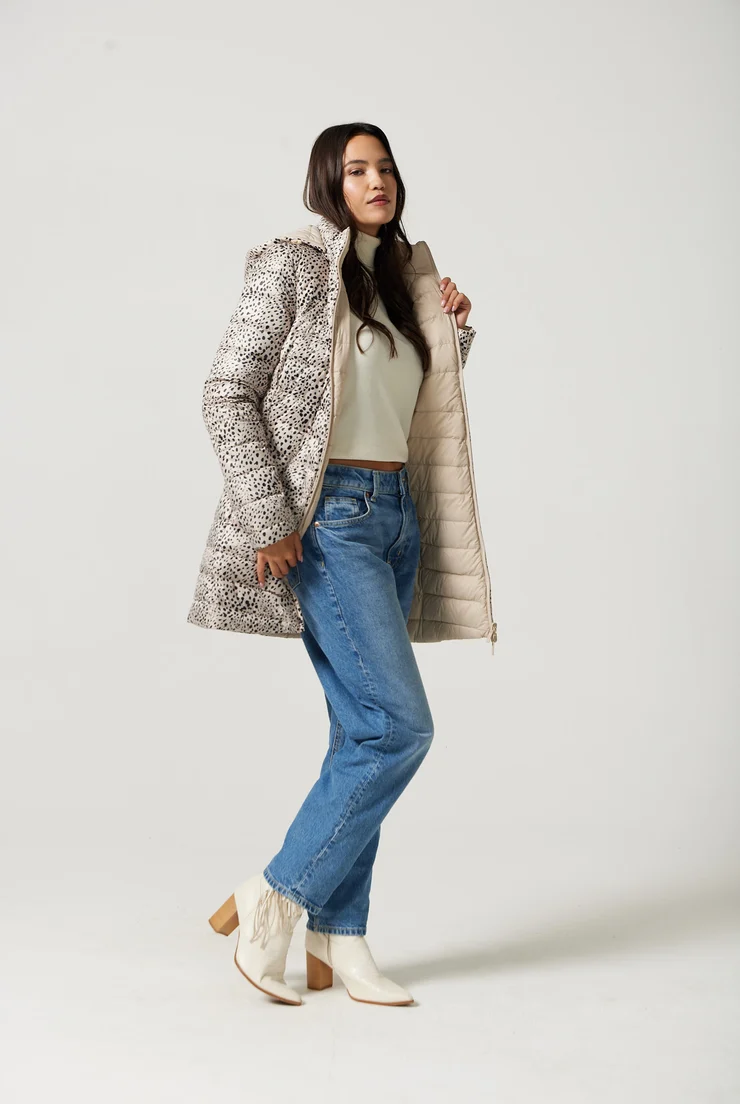
Duck Apparel approaches the issue similarly through slow fashion, producing smaller collections designed to last for years rather than follow short-lived trends. The brand also promotes repair over replacement, while its down outerwear uses Responsible Down Standard-approved down, independently certified through the supply chain.
But responsible production comes at a cost. Duck Apparel’s jackets range from around R1,199 to R3,599, while Naked Ape’s garments can also sit considerably above mainstream fast-fashion prices.
The important question is not whether a garment is expensive because it is “sustainable”. It is what the consumer is paying for — materials, durability, craftsmanship, production volumes, sourcing and the potential to keep that garment in use for longer.
Sometimes the most sustainable garment is the one that already exists
Before asking how to manufacture a more sustainable garment, there is another question: do we need to manufacture another garment at all?
Across South Africa, thrift stores and non-profit organisations (NPOs) help keep unwanted clothing in circulation while creating social and economic value. According to an article by The Citizen, Clothes to Good currently diverts around 600 tonnes of textile waste from landfill every year. This is part of their figure to date of recycling 1,8-million megatons of pre-loved clothes. Through their recycling initiatives, they also alleviate poverty. Their micro-business programme empowers women and mothers of children with disabilities to become successful entrepreneurs in their own communities by selling recycled, preloved clothes, fashion accessories and other textiles.
“Clothes to Good (CTG) is a textile recycling and disability empowerment organisation. We find great joy in empowering people through what others categorise as ‘waste’,” says Founder Jacendra Naidoo.
Circular fashion is already visible across Johannesburg through thrift stores including Vintage With Love, Thrifters, Second Chance Clothing, The Changing Room and Luxity, alongside online resale platforms such as Yaga.
But even second-hand fashion has limits. It cannot indefinitely absorb an industry that continues to overproduce.

Beauty’s waste problem
The same question of overproduction exists in beauty.
Foundation is traditionally manufactured in limited, predetermined shades, with global brands producing large quantities of each colour for markets around the world. But a shade that sells quickly in one market may perform very differently in another.
According to Denshé Beauty co-founder Frederik Ottesen, the company’s estimation is that around 40% of foundation production can ultimately go unsold, particularly because the same shade range is distributed across markets with very different skin-tone demographics.
The figure is Ottesen’s estimation based on experience in the industry rather than an independently verified industry statistic, but it illustrates the problem Denshé is attempting to address.
Rather than asking consumers to choose from a fixed range of shades, Denshé uses technology to measure an individual’s skin tone and create a foundation specifically for that person.
“Because we don’t have a whole range of foundations, we don’t have to throw anything away,” Ottesen explains. “We make it when you want it.”
The company extends that thinking to its packaging too, using recyclable glass bottles and cardboard made from recycled paper that remains largely uncoated to preserve its recyclability.
For Ottesen, however, sustainability cannot be separated from economics. Having grown up in Zambia, he argues that the cheapest product will often win when consumers have limited disposable income, even if they understand the environmental cost.


Sustainable fashion needs more than consumer choice
Around the world, governments are beginning to recognise that fashion’s environmental impact cannot be solved through consumer choice alone. In 2026, the European Commission introduced measures to stop large companies from destroying unsold clothing and expanded rules requiring producers to take greater responsibility for textile waste.
South Africa already has Extended Producer Responsibility legislation, but textiles are not yet part of its established national framework. The broader lesson is that regulation can reshape the economics of sustainability, placing more responsibility on businesses to reduce waste rather than expecting consumers to carry the cost of making the greener choice.
Naked Ape’s Kopman said the fact that textiles are not regulated means prices are high in South Africa, forcing the industry to look outside of the country’s border for more economical options. Textiles are on the way up in South Africa, but certain silks, satins, linens, and others are still only available overseas.
Sustainability cannot remain a luxury
South Africa is already proving that better alternatives exist. Brands are designing for longevity, second-hand retailers are keeping clothing in circulation, and beauty companies are rethinking waste before it happens.
But the climate crisis cannot be solved if sustainability remains a premium choice. The real challenge is not convincing consumers to care — it is building a fashion industry where the greener option is no longer the more expensive one.

I recently conducted my Climate MSc on the fashion industry in SA and my findings included that some South Africans are already largely participating in sustainable fashion practices like hand-me-downs, repurposing clothing into rags, repairing out of necessity, and so on.
Sustainability is a game of ‘framing’ almost, and I worry that framing sustainability as the expensive or premium choice negates the sustainability already embedded in every day lives (which should be celebrated and increased). Of course the supply chain needs to adapt in order to support a slower, more intentional and overall more sustainable system, but this is only part of the sustainable fashion discourse.