
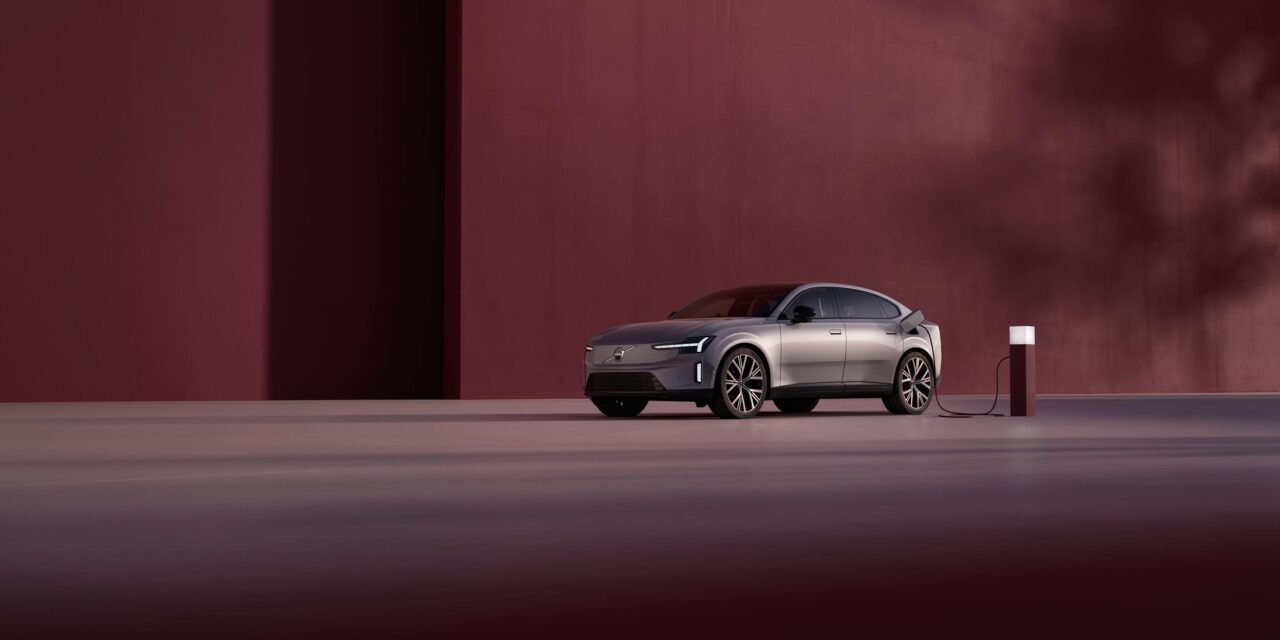
Forget the idea of waiting hours to charge your electric car. As South Africa’s EV charging network expands, a quick coffee break or shopping trip could be all the time you need to get back on the road
For many South Africans, the thought of owning an electric vehicle (EV) comes with one lingering question: how long does it actually take to charge? While filling a petrol tank takes minutes, charging an electric car is often perceived as a lengthy inconvenience. However, advances in EV technology and South Africa’s growing network of fast-charging stations are changing that perception.
In fact, charging an electric vehicle is increasingly becoming something motorists can fit into their everyday routines, rather than an activity they need to plan their entire day around.
South Africa’s EV Charging Network Is Growing
Electric vehicle infrastructure in South Africa has developed significantly in recent years, with more charging stations appearing at shopping centres, office parks, restaurants and along major highways.
In August 2026, Zero Carbon Charge announced plans to double the charging capacity at its two N3 highway hubs, increasing each location’s capacity from 360kW to as much as 720kW.
The upgrade came just three months after the hubs opened, with demand from EV drivers exceeding the company’s initial expectations.
It is an encouraging development for South Africa’s electric mobility sector, suggesting that the conversation is shifting from whether charging infrastructure will become available to how quickly it can accommodate growing demand.
For motorists travelling between cities, strategically located charging hubs are also making longer electric journeys more practical.
How Long Does It Take to Charge an Electric Car?
One of the biggest misconceptions about electric vehicles is that every charging session takes several hours.
In reality, many modern EVs can recharge from 10% to 80% in approximately 20 to 30 minutes when connected to a suitable DC fast charger.
Charging speeds depend on several factors, including the vehicle’s battery technology, charging capacity, battery temperature and the power available from the charging station.
For example, the Volvo ES90, which uses advanced 800-volt technology, can charge from 10% to 80% in approximately 22 minutes when connected to a compatible 350kW charger.
The compact Volvo EX30 can complete a comparable charge in around 26 minutes using a suitable 175kW fast charger.
At lower-powered public charging stations, such as the 75kW units found at some shopping centres, charging will generally take longer.
It is also worth remembering that charging typically slows as the battery approaches full capacity. This is why manufacturers often quote charging times from 10% to 80%, rather than from empty to 100%.
Why EV Charging Can Fit Into Your Daily Routine
Consider how much time you already spend stopping for coffee, collecting groceries or taking a break during a road trip.
A 20- to 30-minute charging session can easily overlap with these activities, particularly when charging stations are located at destinations motorists already visit.
Along the N3, Zero Carbon Charge’s hubs offer amenities including a farm stall, restrooms and complimentary WiFi. This allows drivers to recharge their vehicles while enjoying a more comfortable travel break.
Grant Locke, Managing Director of Volvo Car South Africa, believes the way motorists think about charging needs to change.
“When you think about it, half an hour is not a long time. On a long journey, it passes while you’re still in the queue buying chips and waiting for everyone to come back from their bathroom break,” says Locke.
“On shorter ones, you can still take up that time running to the ATM and making a quick call. The point being that charging your vehicle is no longer an inconvenience, it’s a quick pit stop while you go on with your day.”
Rather than viewing charging as wasted time, EV drivers can increasingly incorporate it into activities that are already part of their schedules.
Charging an Electric Vehicle at Home
While public charging stations receive much of the attention, home charging remains one of the most convenient aspects of electric vehicle ownership.
For motorists with access to suitable home charging facilities, an EV can be plugged in overnight and be ready for the following morning’s commute.
This eliminates the need for regular visits to a filling station and allows drivers to recharge while they sleep.
Home charging can also be more cost-effective than public fast charging, depending on electricity tariffs, charging equipment and the household’s energy arrangements.
Public charging stations then become useful for longer journeys, unexpected trips or convenient top-ups while away from home.
Are Electric Vehicles Becoming More Practical in South Africa?
As South African motorists continue to consider alternatives to petrol and diesel vehicles, electric mobility is becoming an increasingly relevant conversation.
Expanding charging infrastructure, improving battery technology and faster charging capabilities are helping to address some of the concerns that have traditionally discouraged potential EV buyers.
However, challenges remain. Charging station availability differs between regions, and long-distance journeys still require more planning than conventional petrol-powered travel.
Motorists also need to consider charger compatibility, charging costs and whether suitable facilities are available along their intended routes.
Nevertheless, the continued development of South Africa’s EV charging network is making electric vehicle ownership a more realistic option for a growing number of drivers.
The Future of EV Charging in South Africa
The biggest change in electric vehicle charging may not be the technology itself, but how motorists experience it.
As charging stations become more widely available at everyday destinations, the process is gradually becoming less of a dedicated stop and more of a background activity.
A coffee break, a grocery run or a short pause on a road trip can now serve a second purpose: recharging the car.
With manufacturers such as Volvo investing in faster charging technology and infrastructure providers expanding their networks, the future of electric mobility in South Africa is looking increasingly convenient.
And while charging an EV may never be quite the same as filling a petrol tank, it does not necessarily need to be.
After all, the most convenient charging session might simply be the one that happens while you’re getting on with your day.
