
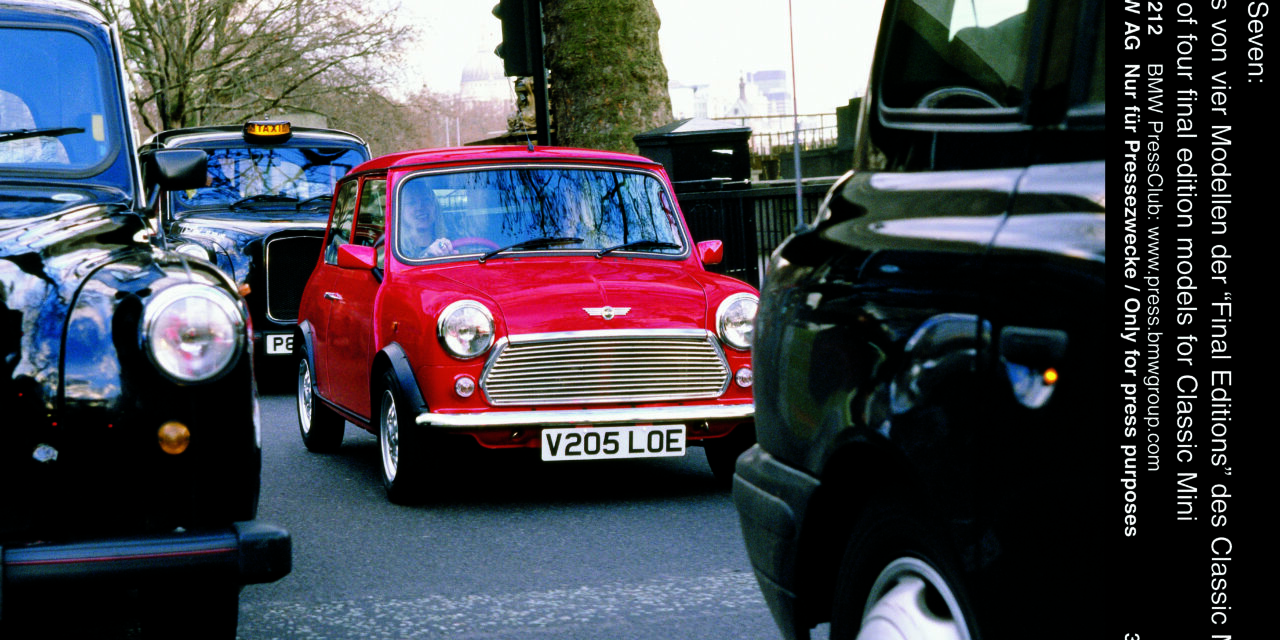
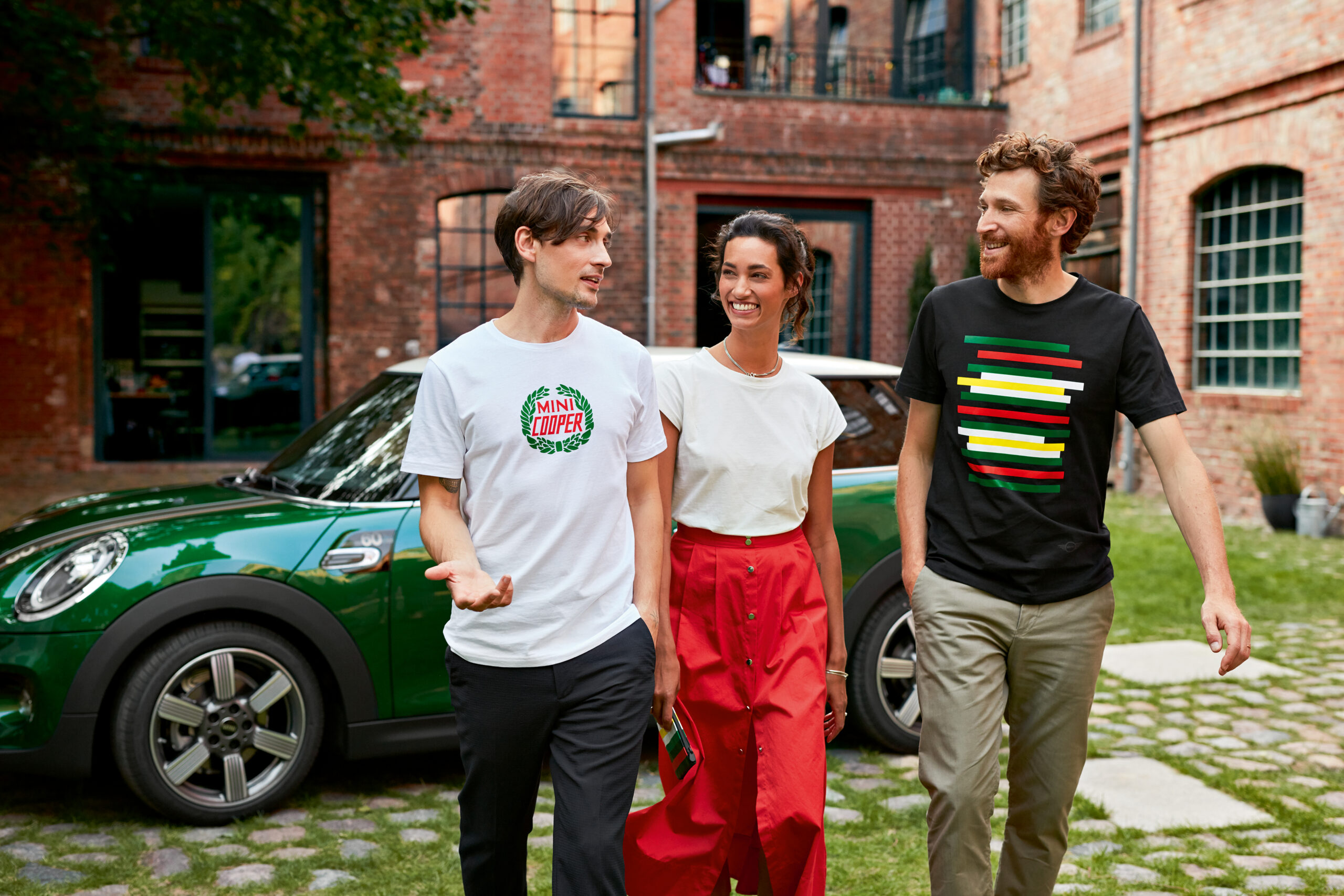
As South Africa celebrates Heritage Day, MINI marks 24 years since its bold rebirth on South African soil with One Big MINI Morning – a celebration of a legacy that began with a revolutionary idea in 1959, was re-envisioned in 2002, and continues to define generations of drivers today. We delve into the style behind the steering wheel, and how MINI drivers dress to impress.
Some cars are designed to get you from one place to another. MINI was designed to make you smile and groove on the way there.
Few automotive names carry the kind of cultural weight that MINI does. It is a car that has lived many lives: a post-war engineering breakthrough, a motorsport champion, a fashion statement, and today, a premium lifestyle icon that feels just as at home outside a boutique hotel as it does carving through mountain roads.
Because while the name says MINI, there is, quite frankly, nothing MINI about MINI. The personality is massive, the attitude is unmistakable, and the possibilities for personal expression are practically endless.
This Heritage Month, MINI’s remarkable journey feels especially fitting. While South Africa celebrates the stories that have shaped its identity, MINI is marking 24 years since its bold rebirth on South African soil – a milestone that honours the journey the brand has taken with its Mzansi community since 2002, alongside a global heritage stretching back more than six decades.
And what better way to celebrate that than by putting the people who have made that journey their own front and centre?
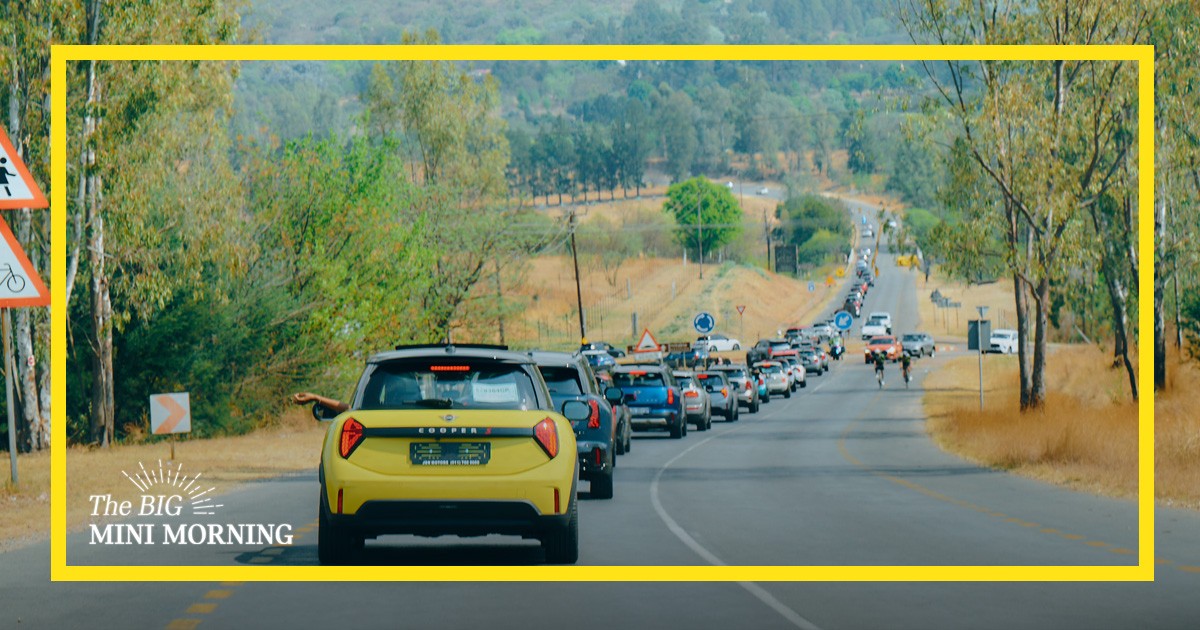
On 24 September, hundreds of owners will gather for One Big MINI Morning, transforming Johannesburg’s streets into a moving celebration of one of the world’s most recognisable automotive icons – and giving MINI owners the chance to take ownership of their own Mzansi MINI-ness.
Think of it as a concrete catwalk, only the outfits have four wheels.
Where it all began
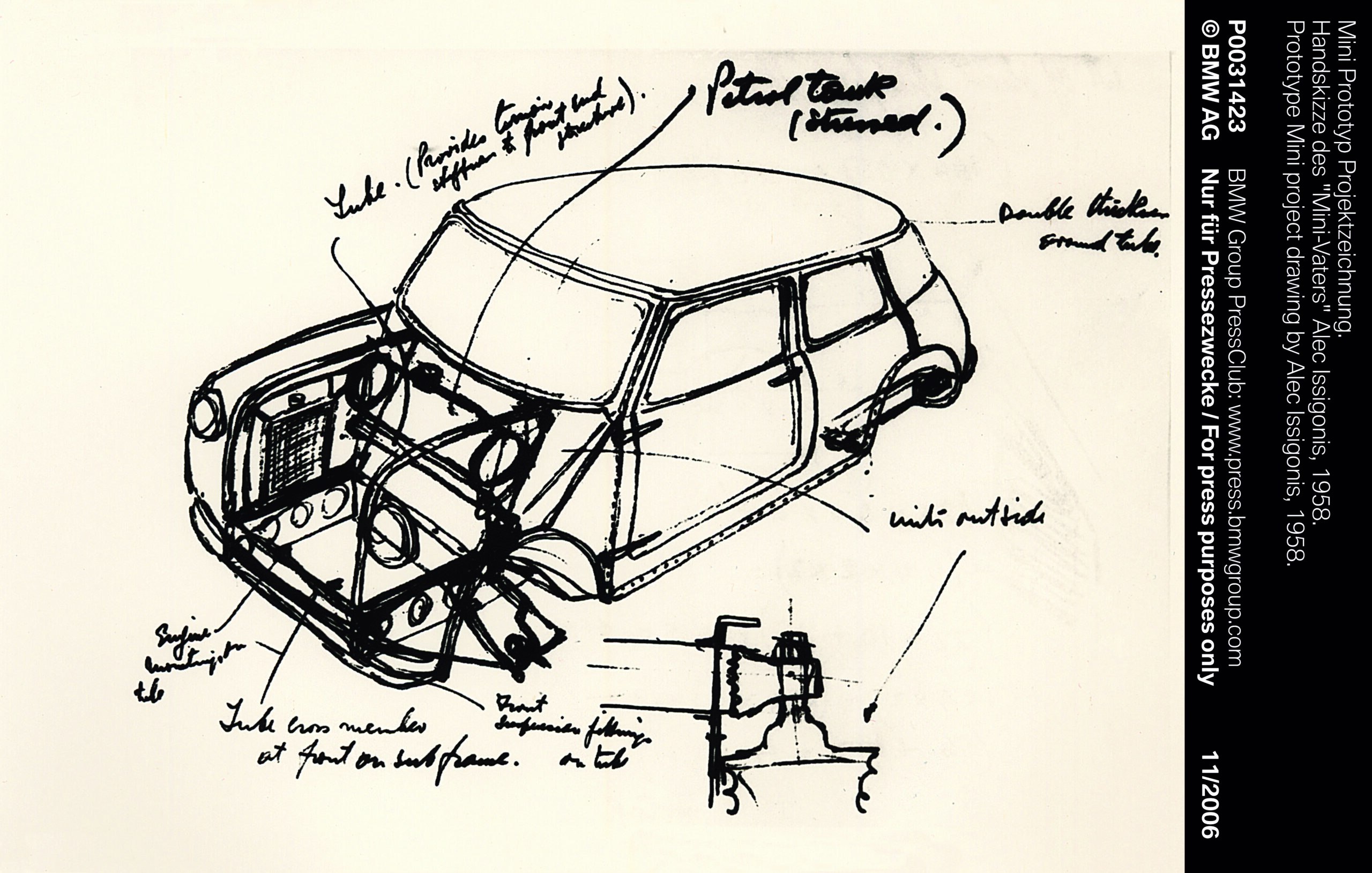
The MINI story began in 1959, when British engineer Sir Alec Issigonis was tasked with solving a practical problem: create a compact, fuel-efficient car that could comfortably carry four people during a time of rising fuel costs following the Suez Crisis.
And his solution would change automotive design forever.
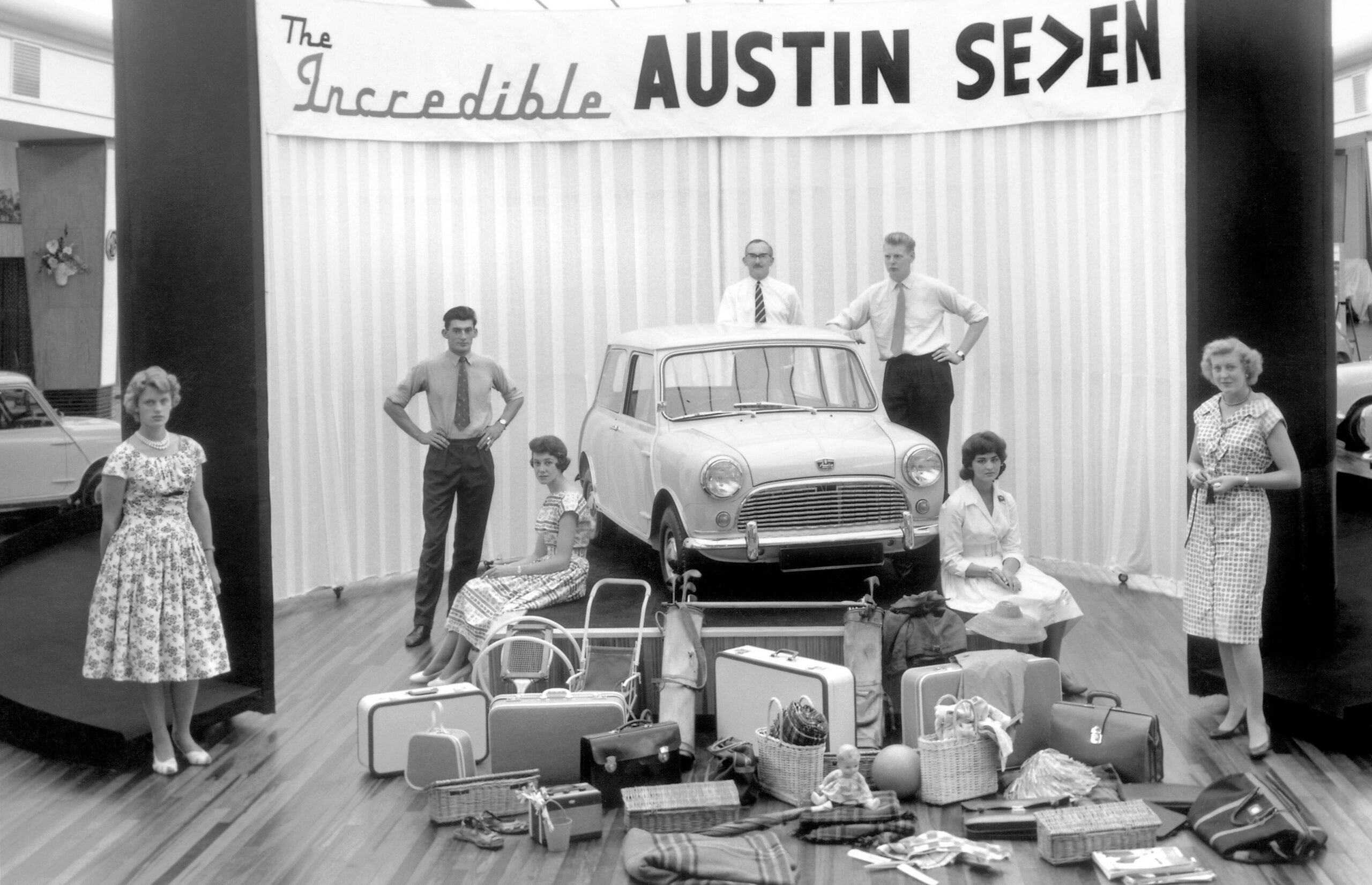
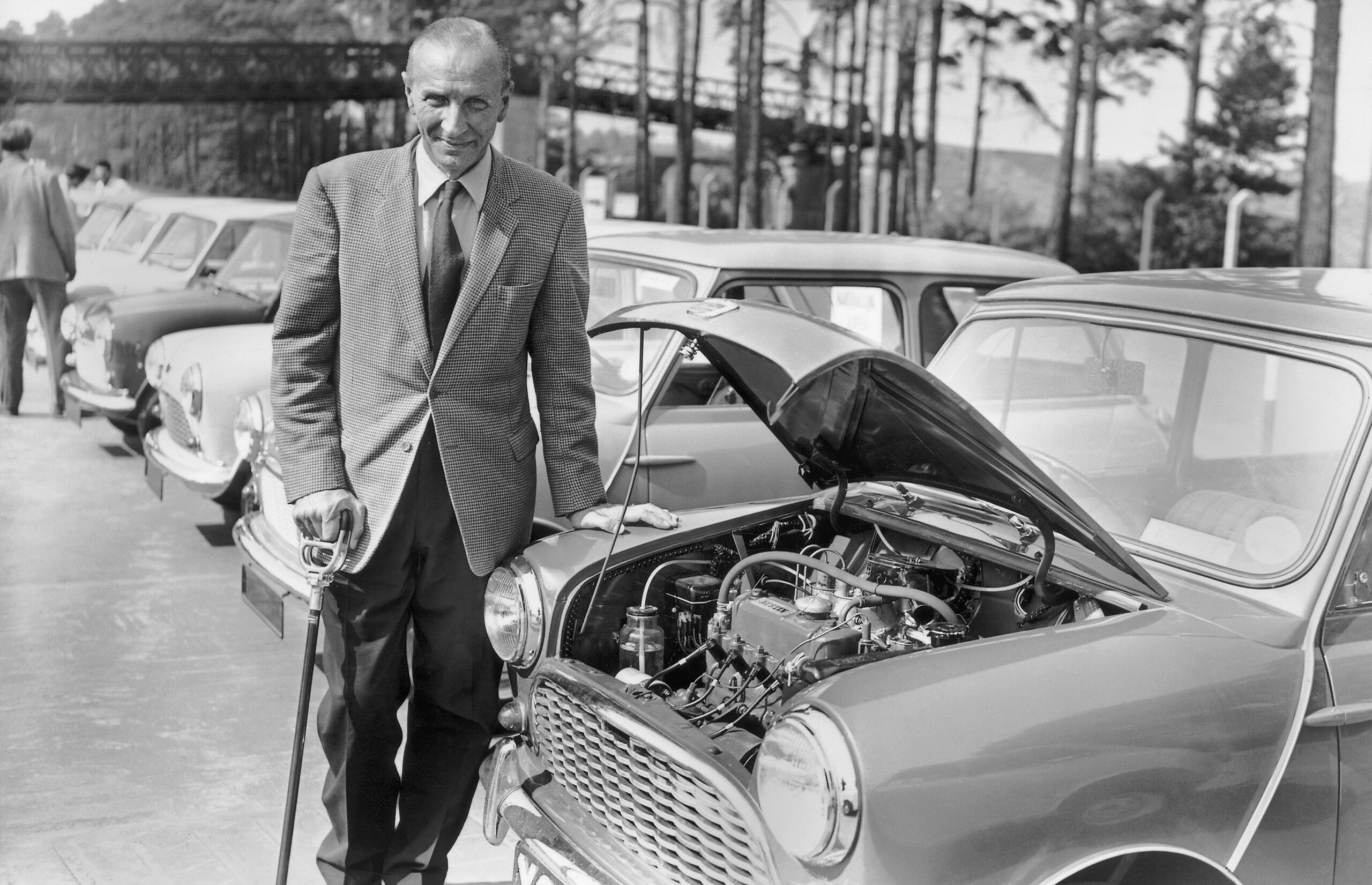
By mounting the engine sideways and pushing the wheels to the very corners of the body, Issigonis created an entirely new way of packaging a small car. The result was surprisingly spacious inside while delivering handling that felt playful and precise – a combination that would become MINI’s defining characteristic for generations to come.
What began as an intelligent piece of engineering quickly became something far greater.
It had the proportions of a small car and the temperament of anything but.
The little car that conquered the world
Throughout the 1960s, the MINI became inseparable from British culture.
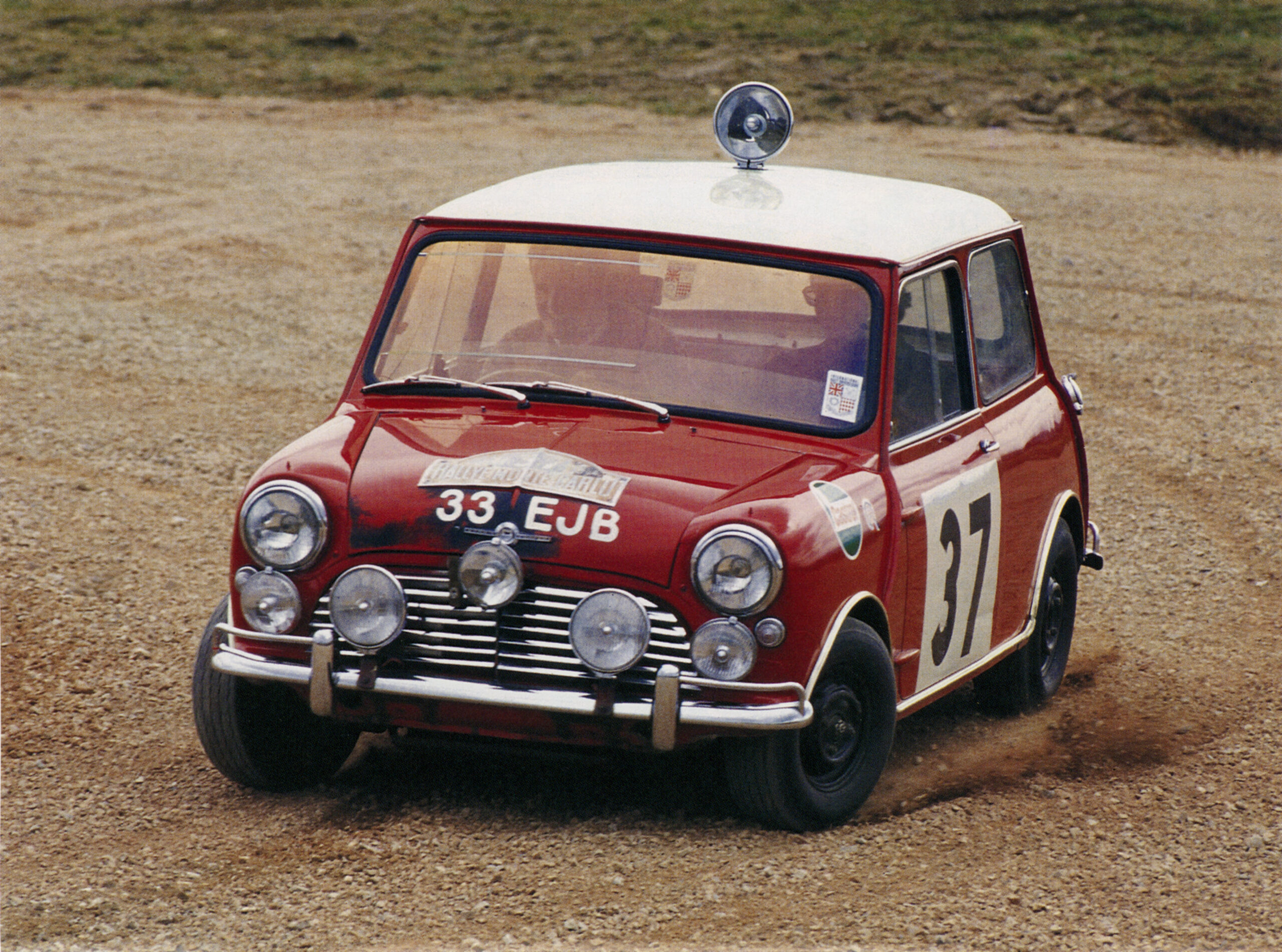
Racing legend John Cooper recognised the car’s untapped potential, transforming it into the now-legendary Cooper and Cooper S models that stunned the motoring world by winning the Monte Carlo Rally in 1964, 1965 and 1967.
Off the racetrack, the MINI became equally famous on city streets. It appeared alongside musicians, actors and designers, becoming part of London’s creative revolution and later stealing scenes in films like The Italian Job.
Its proportions were small. Its personality was anything but.
In other words: small car, massive attitude.
Reinventing an icon
When BMW Group acquired the MINI brand through Rover in 1994, the challenge wasn’t simply to recreate a classic – it was to preserve its soul while building a car for a new century.
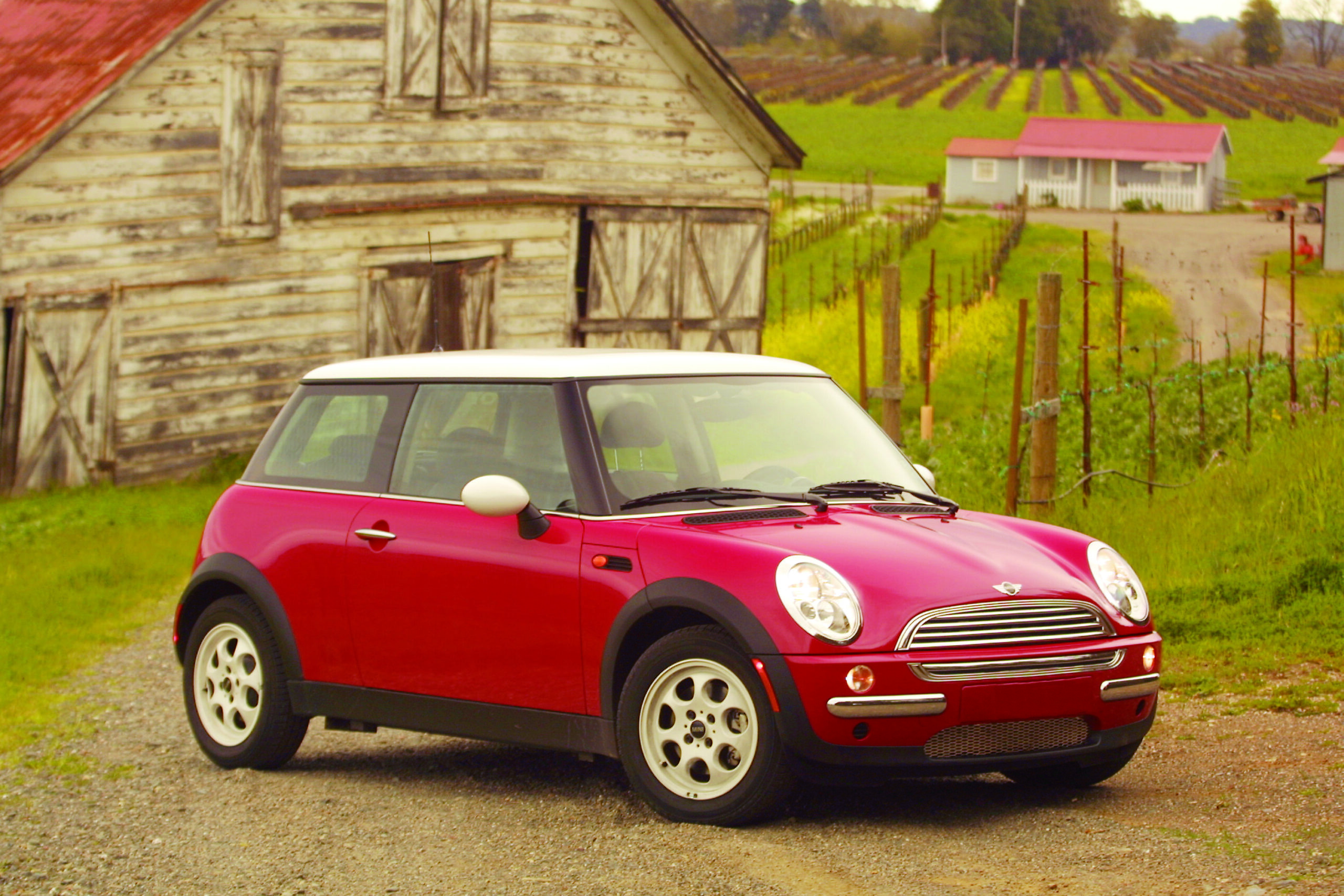
After years of development, the modern MINI arrived in 2001, retaining the unmistakable circular headlights, floating roof and upright silhouette that made the original instantly recognisable, while introducing contemporary safety, premium craftsmanship and extensive personalisation.
South Africa welcomed the new MINI in 2002, marking the brand’s bold rebirth in Mzansi and beginning a 24-year chapter that has seen MINI become as much about community as it is about driving.
Because MINI was never really interested in simply getting from A to B. It was about how you got there – with a little more character, a little more swagger and, ideally, a lot more fun.
And in South Africa, that personality found a new expression: local, spirited, stylish and distinctly its own.
The MINI Style Chapters
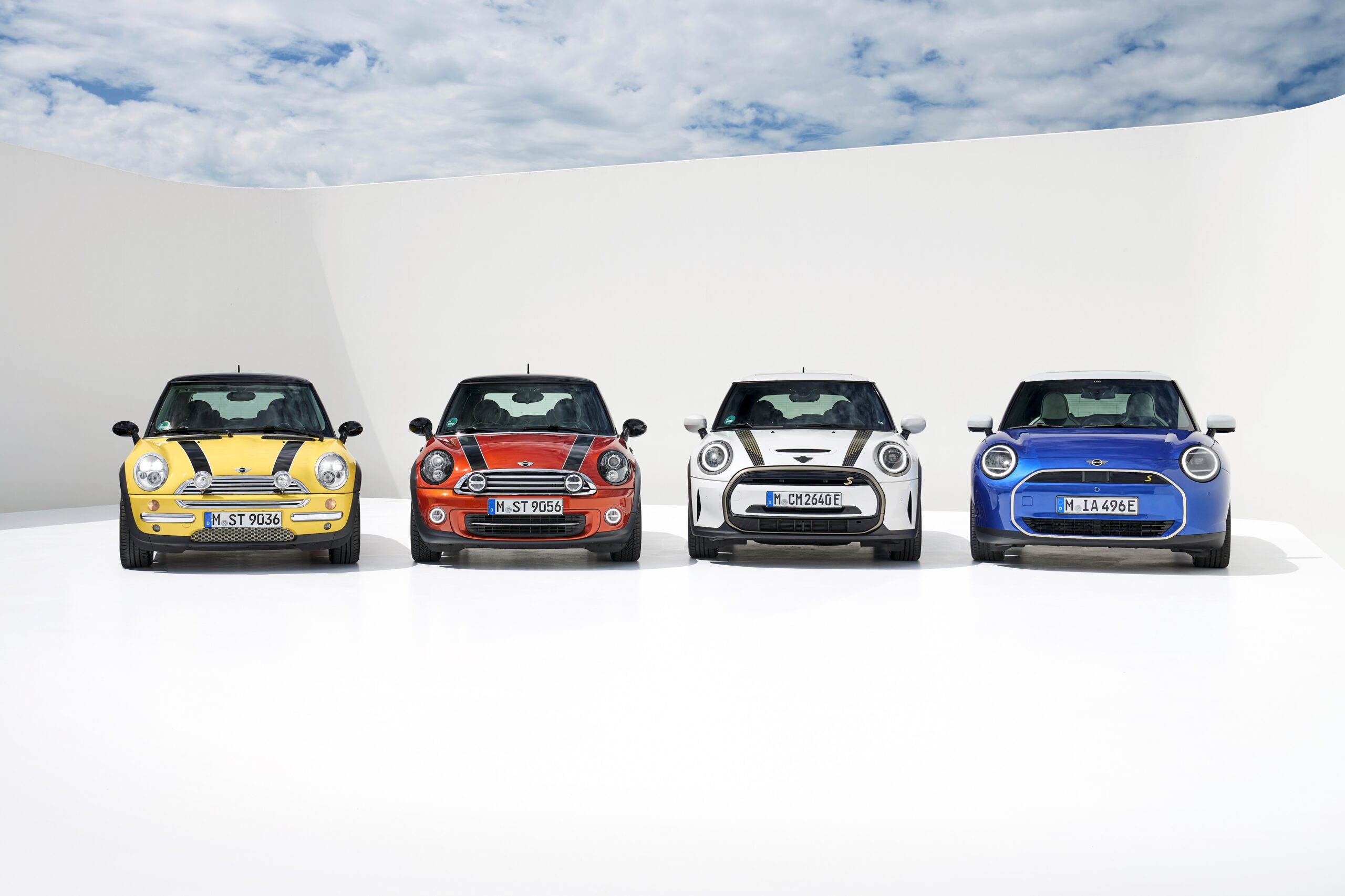
What makes MINI’s evolution remarkable is that every generation introduced something new without abandoning the playful confidence that made the original unforgettable. Like fashion itself, each era reflected the mood of its time.
The MINI has always had a knack for changing the outfit without changing the attitude.
And in Johannesburg, that attitude found plenty to work with.
Chapter One: The Cool Creative (2002–2006)
MINI arrived in South Africa just as the country’s fashion identity was finding its own confident voice. BMW’s reinvention of the icon proved that nostalgia could feel contemporary, introducing premium craftsmanship while preserving the unmistakable proportions that made the original famous.
Designers like Stoned Cherrie were reimagining Sophiatown glamour through bold prints and Drum magazine references, while Loxion Kulca brought Kwaito-inspired street style into the mainstream. South African Fashion Week was also beginning to create a platform for homegrown talent.
This was the era of photographers carrying film cameras, creatives discovering loft apartments and coffee becoming culture. The supercharged Cooper S became the cult favourite, while the Convertible added effortless glamour to the lineup.
It was creative. It was confident. It was never going to blend into the background.
The Joburg Style wardrobe
This MINI owner leaves Melrose Arch wearing:
- A cropped leather jacket over a graphic tee
- Dark straight-leg denim
- Classic Converse or leather sneakers
- Bold hoop earrings or layered bracelets
- A vibrant printed scarf inspired by Afro-chic styling
Style mood: Johannesburg’s creative renaissance meets London’s rebellious spirit.

Chapter Two: The Urban Tastemaker (2007–2013)
MINI stopped being just one silhouette and became an entire wardrobe.
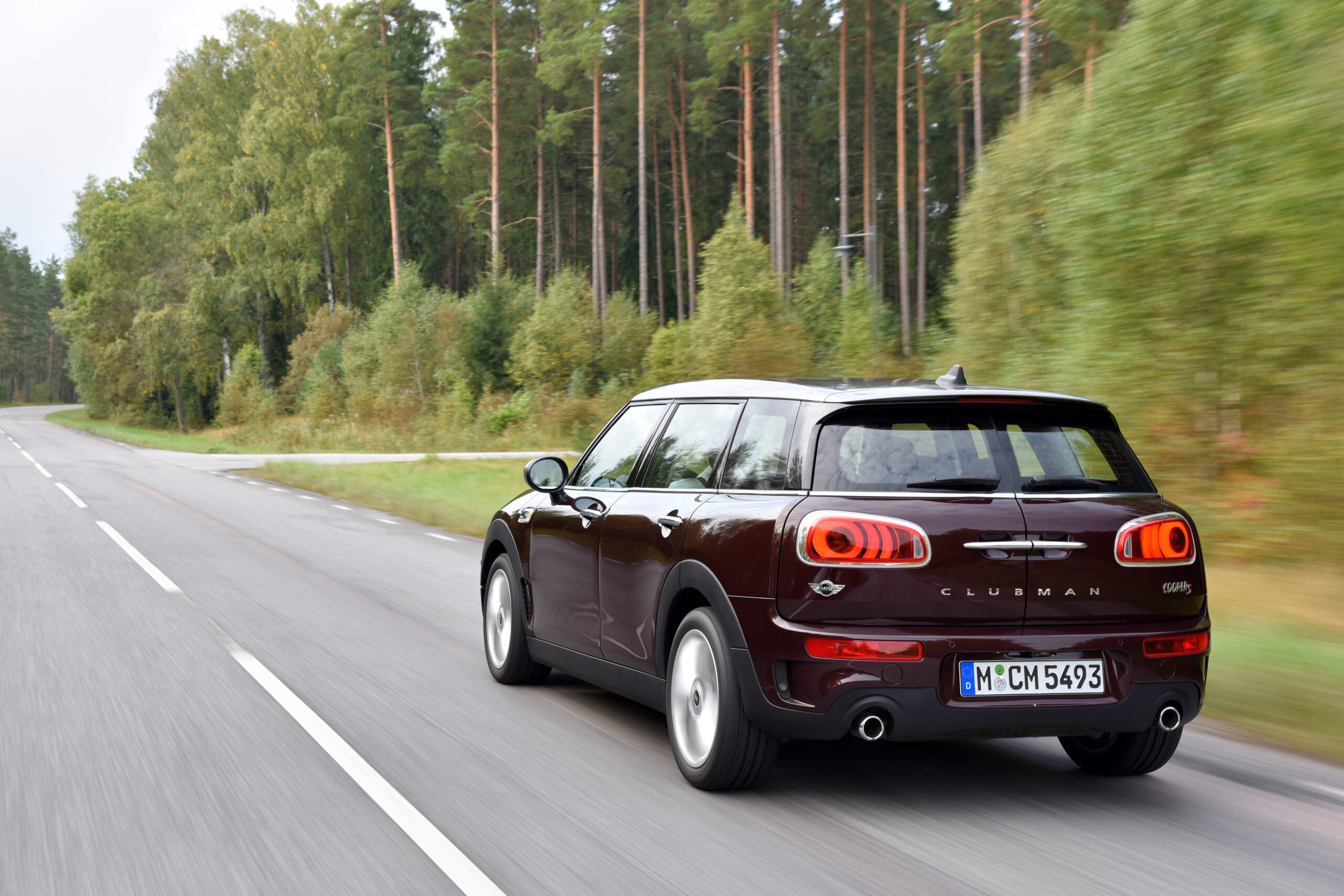
The Clubman introduced its unforgettable split rear doors, the Countryman proved practicality could still be playful, and adventurous newcomers like the Coupé, Roadster and Paceman encouraged drivers to choose personality over predictability.
As MINI expanded, South African fashion did too, becoming increasingly sophisticated. Black Coffee was redefining minimalist luxury, Soweto labels like Thesis emerged from local street culture, and Johannesburg’s fashion scene embraced tailoring with distinctly African references.
This was the generation that made MINI feel equally at home outside an art gallery, a rooftop dinner or a weekend escape.
Essentially, the MINI had entered its main-character era.
The Joburg Style wardrobe
Picture someone arriving at Keyes Art Mile in:
- A sharply cut blazer
- A monochrome knit
- Slim tailored trousers
- Chelsea boots
- A structured leather weekender
Style mood: Gallery opening elegance with Johannesburg edge.
Chapter Three: The Modern Minimalist (2014–2023)
By the time the third generation arrived, MINI had grown up without losing its mischievous grin.
The interiors became more refined, technology slipped seamlessly into everyday driving, and the five-door hatch welcomed a new generation of city dwellers who wanted practicality without compromising style.
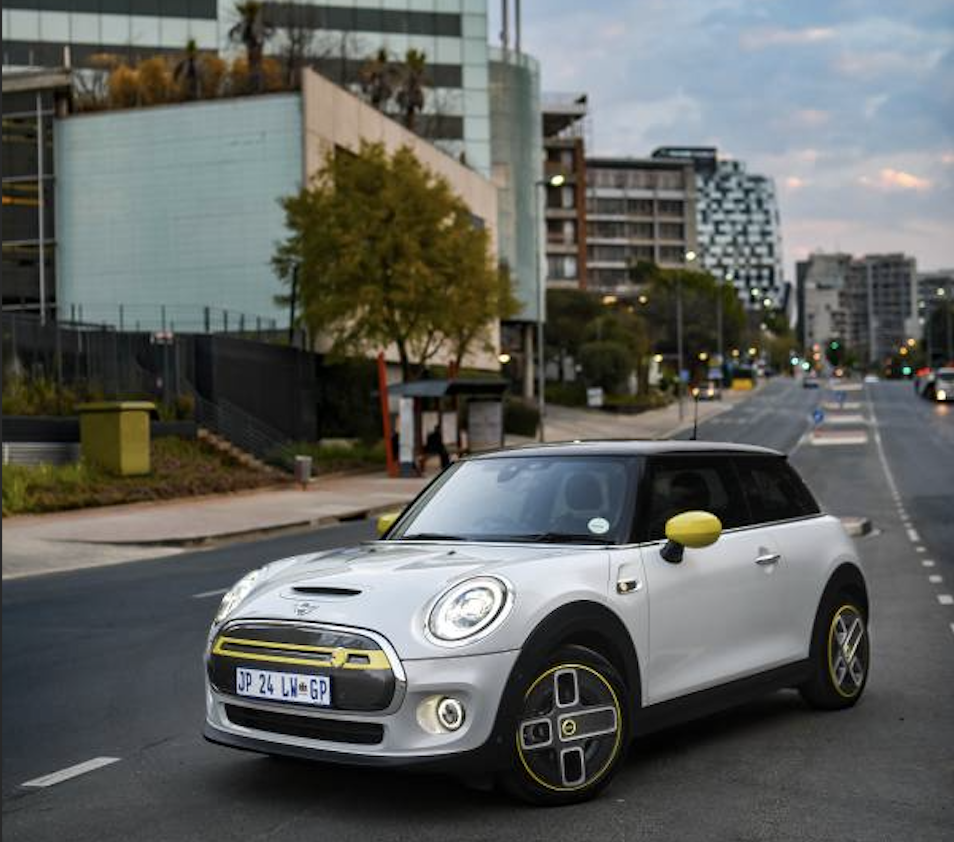
Then came the MINI Cooper SE. The brand’s first fully electric production model proved that sustainability didn’t require sacrificing the famous go-kart feeling that had defined MINI for decades.
This generation coincided with South Africa’s emergence as a global fashion destination. Rich Mnisi, Thebe Magugu, Lukhanyo Mdingi and Maxhosa elevated local luxury onto the international stage.
The mood had shifted. The attitude hadn’t.
The Joburg Style wardrobe
This driver wears:
- Relaxed tailored trousers
- An oversized blazer
- Crisp white leather sneakers
- Minimal gold jewellery
- A structured crossbody bag
Style mood: Contemporary African luxury.

Chapter Four: The Future Curator (2024–Today)
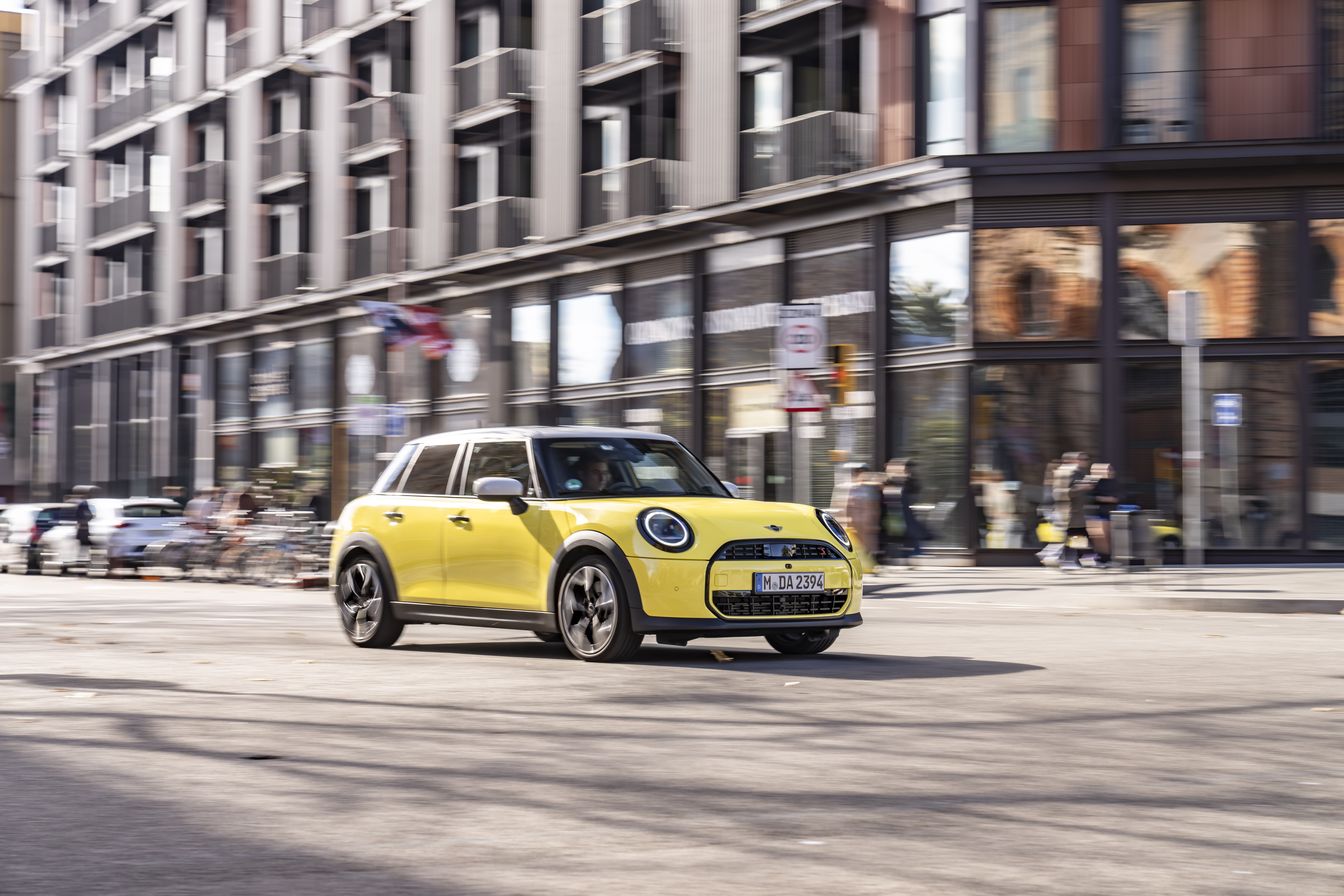
Today’s MINI feels less like a redesign and more like an evolution of its original philosophy.
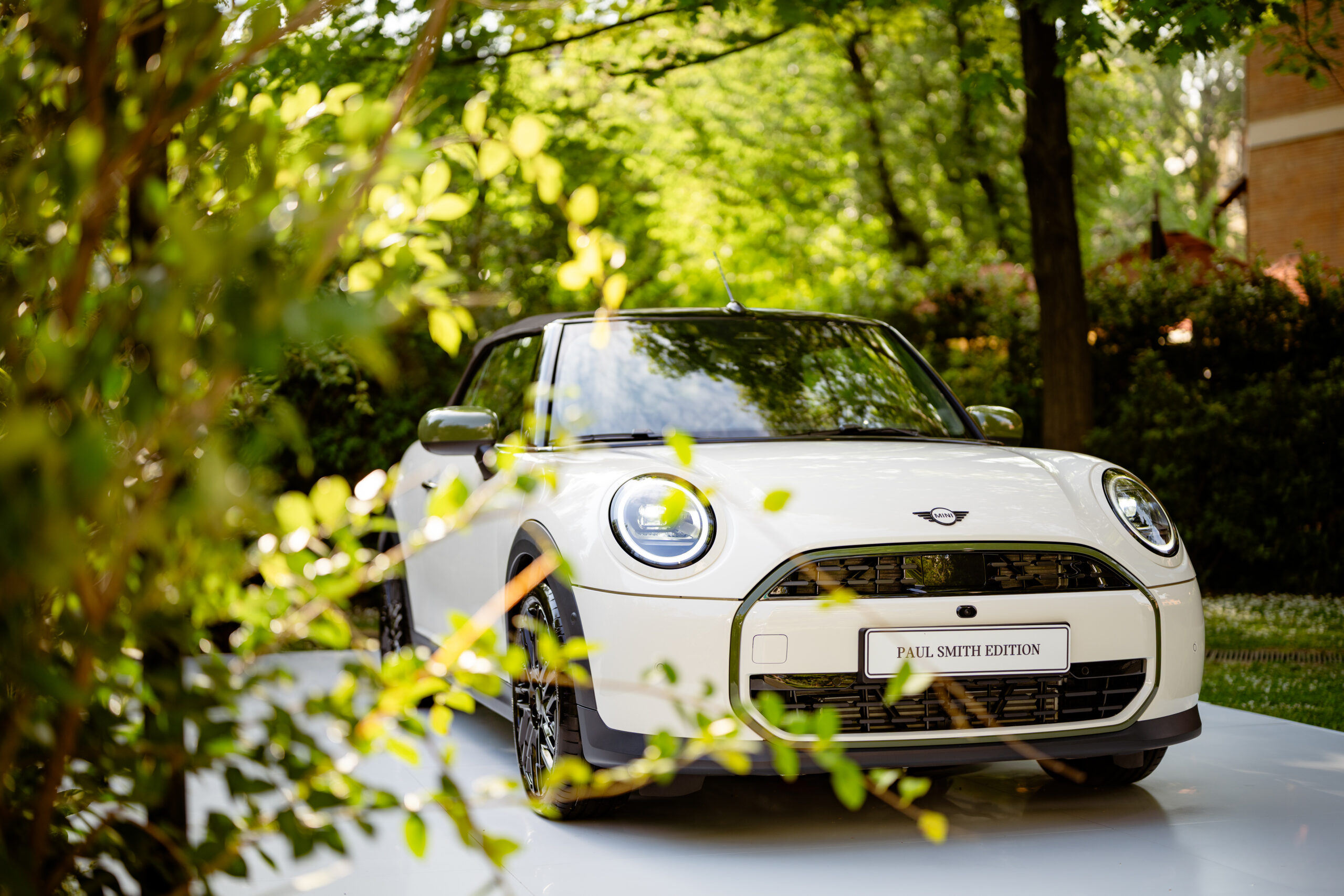
The circular OLED display pays tribute to the centre-mounted speedometer that defined the classic MINI, while the Aceman and Countryman Electric demonstrate how heritage can confidently embrace tomorrow.
This is a generation designed for people who appreciate considered design as much as performance.
It embraces sustainability, minimalist design and thoughtful innovation – values that increasingly define South African luxury fashion too. Designers are placing craftsmanship, responsible production and African storytelling at the centre of contemporary luxury, with fashion labels like Gert-Johan Coetzee, David Tlale and Naked Ape leading the way.
It is future-facing without being future-fussy. Considered, but never boring.
The Joburg Style wardrobe
Imagine:
- Sculptural tailoring
- Natural fabrics
- Sleek loafers
- Statement jewellery crafted by local artisans
- A beautifully made leather tote
Style mood: Future luxury with proudly South African craftsmanship.

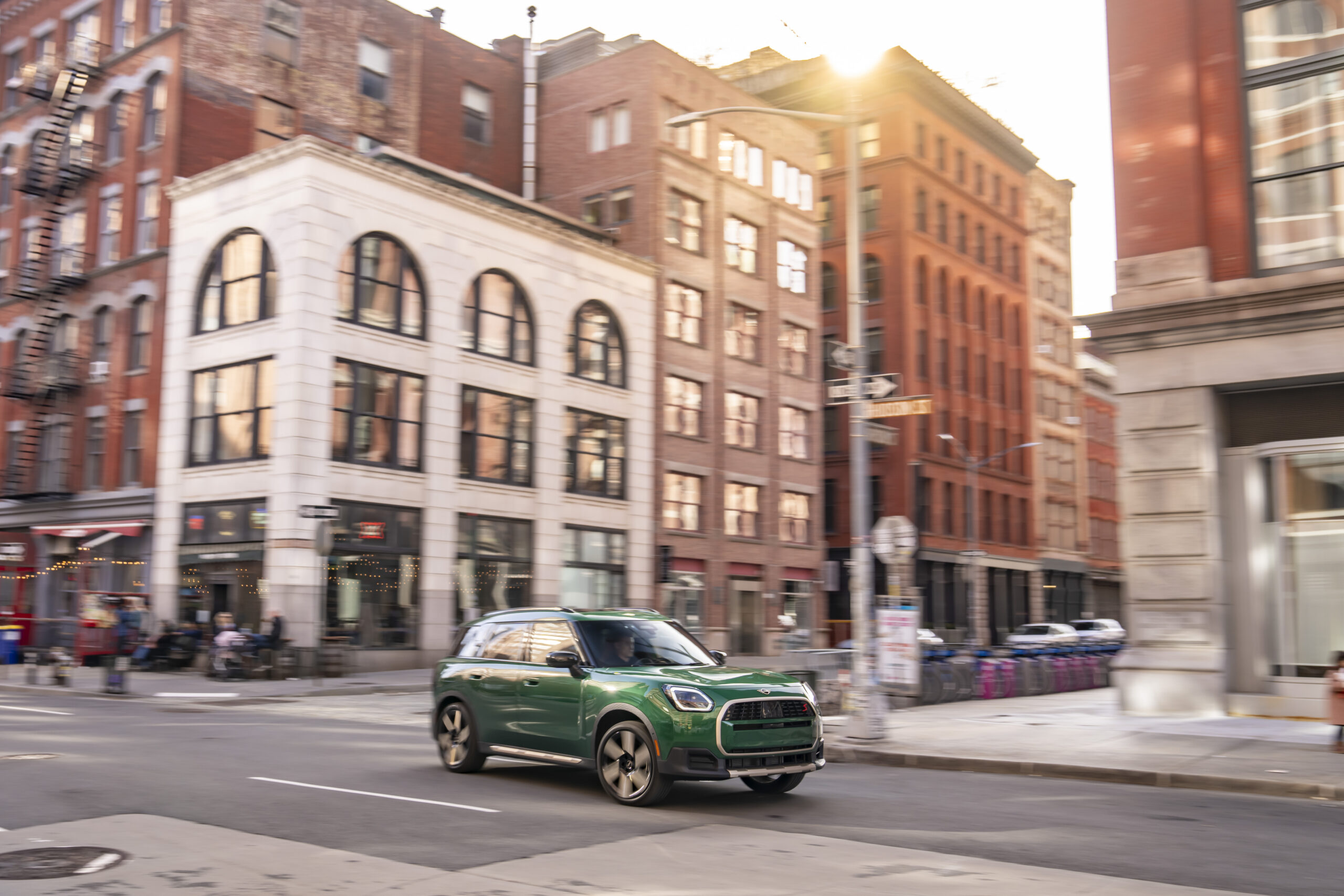
The MINI Style Archive (2002–2026)
| Year | Defining MINI | If this MINI walked Johannesburg |
| 2002 | Cooper | Stoned Cherrie Afro-chic with leather sneakers |
| 2003 | Cooper S | Kwaito-inspired street luxury |
| 2004 | Convertible | Drum-era glamour reimagined |
| 2005 | Cooper S | Sandton creative in sharp denim |
| 2006 | JCW GP | Motorsport edge meets designer leather |
| 2007 | Clubman | Soweto streetwear with tailored polish |
| 2008 | Cooper D | Clean monochrome minimalism |
| 2009 | Convertible | Black Coffee-inspired quiet luxury |
| 2010 | Countryman | Urban explorer with utility tailoring |
| 2011 | Coupé | Fashion Week front-row cool |
| 2012 | Roadster | Weekend luxury in Hyde Park |
| 2013 | Paceman | Modern tailoring with local craftsmanship |
| 2014 | F56 | Rich Mnisi energy |
| 2015 | 5-Door | Elevated city chic |
| 2016 | Convertible | Effortless rooftop elegance |
| 2017 | Countryman | Contemporary African luxury |
| 2018 | JCW | Performance meets premium streetwear |
| 2019 | 60 Years Edition | Heritage tailoring |
| 2020 | Cooper SE | Sustainable sophistication |
| 2021 | Hatch | Minimalist Sandton luxury |
| 2022 | Multitone | Colour-forward confidence |
| 2023 | Electric Cooper | Sculptural fashion |
| 2024 | Aceman | Design curator aesthetic |
| 2025 | JCW Convertible | Riviera meets Rosebank |
| 2026 | Countryman Electric | Future-facing South African luxury |
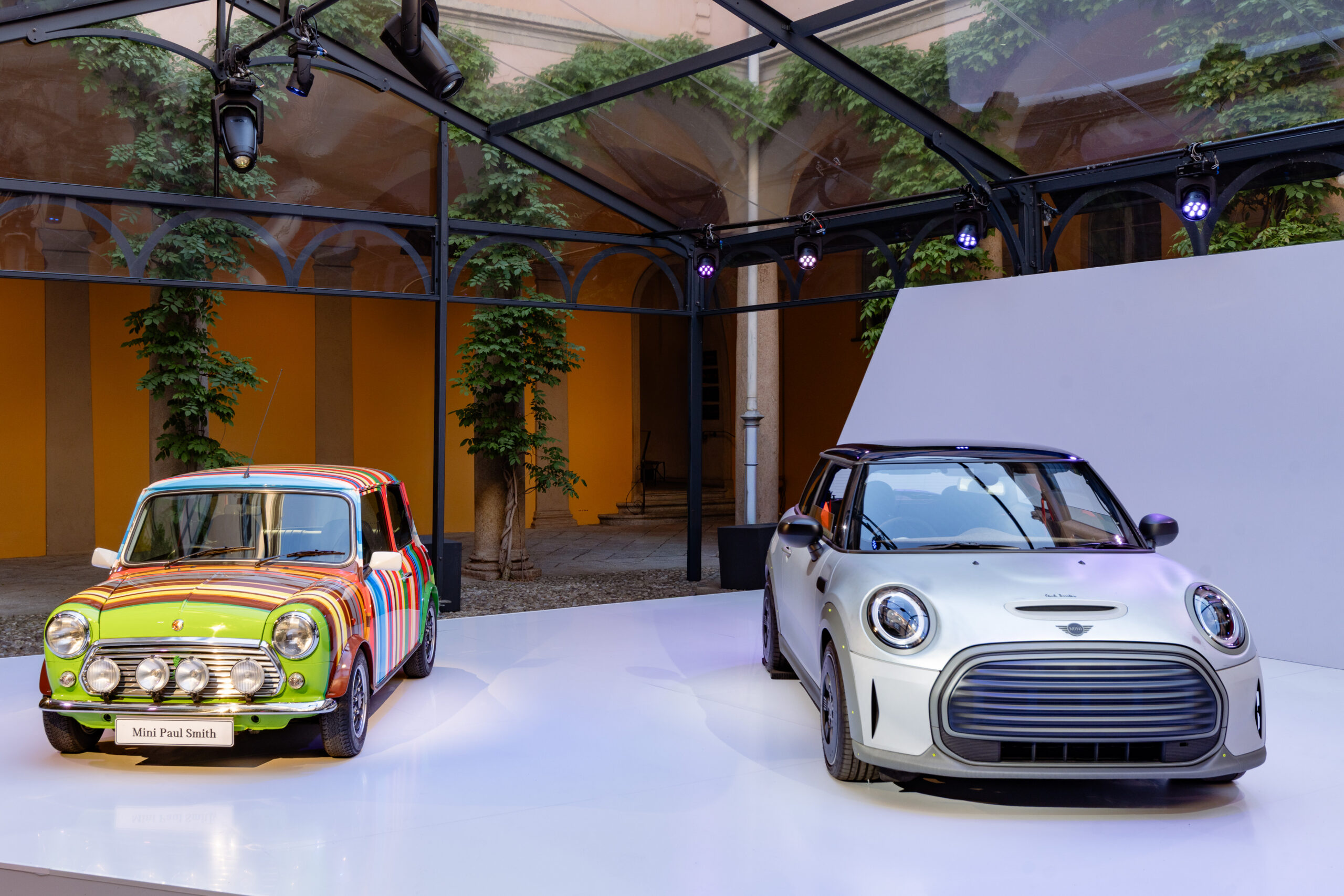
“One Big MINI Morning” is more than motoring
Perhaps MINI’s greatest achievement isn’t measured in horsepower or production numbers.
It is measured in people.
Few automotive brands inspire the same level of personal expression. Contrasting roof colours, racing stripes, bespoke interiors and owner convoys have transformed MINI ownership into something closer to belonging to a creative collective than simply driving a car.
That spirit is what makes One Big MINI Morning feel like more than an anniversary event.
It is a celebration of 24 years of MINI in Mzansi, but more importantly, it is an invitation for the people who have made those years what they are to show up, show off and take ownership of what makes their MINI experience distinctly South African.
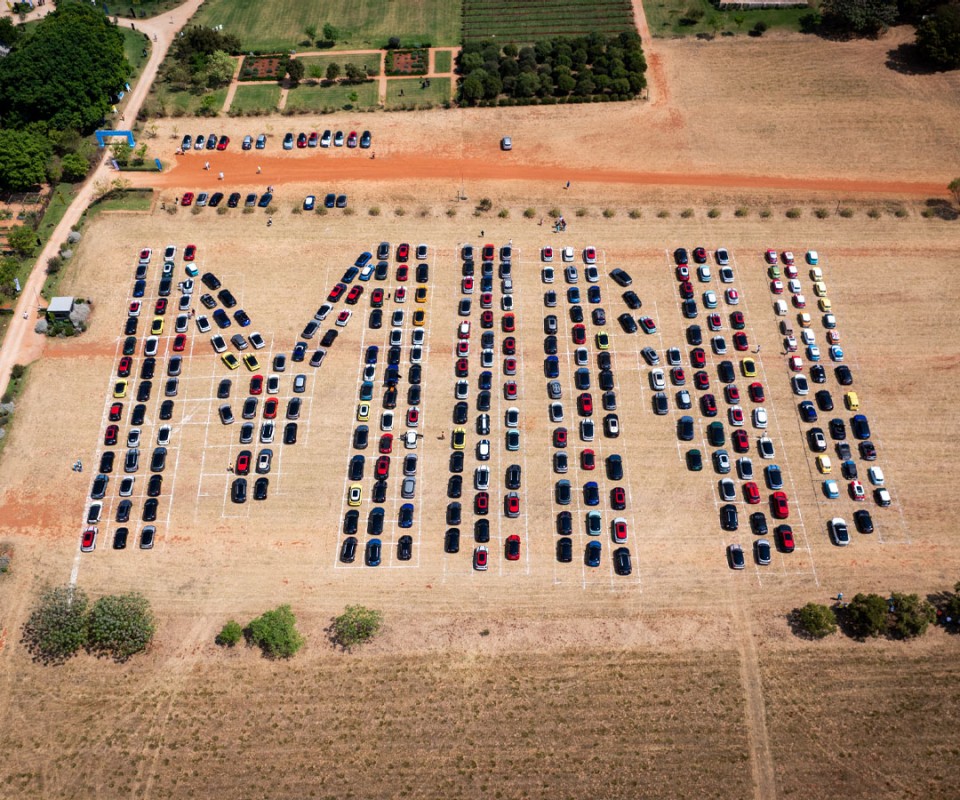
Held on 24 September, the Heritage Day gathering will bring together hundreds of MINIs from every generation – from early R50 models to the latest electric arrivals – creating one of South Africa’s largest celebrations of the brand’s community. Previous editions attracted more than 600 MINIs, turning ordinary roads into an extraordinary display of shared passion.
And that is where the MINI magic really kicks in: one car becomes a collective; one convoy becomes a statement; one morning becomes a whole lot of Mzansi MINI-ness.
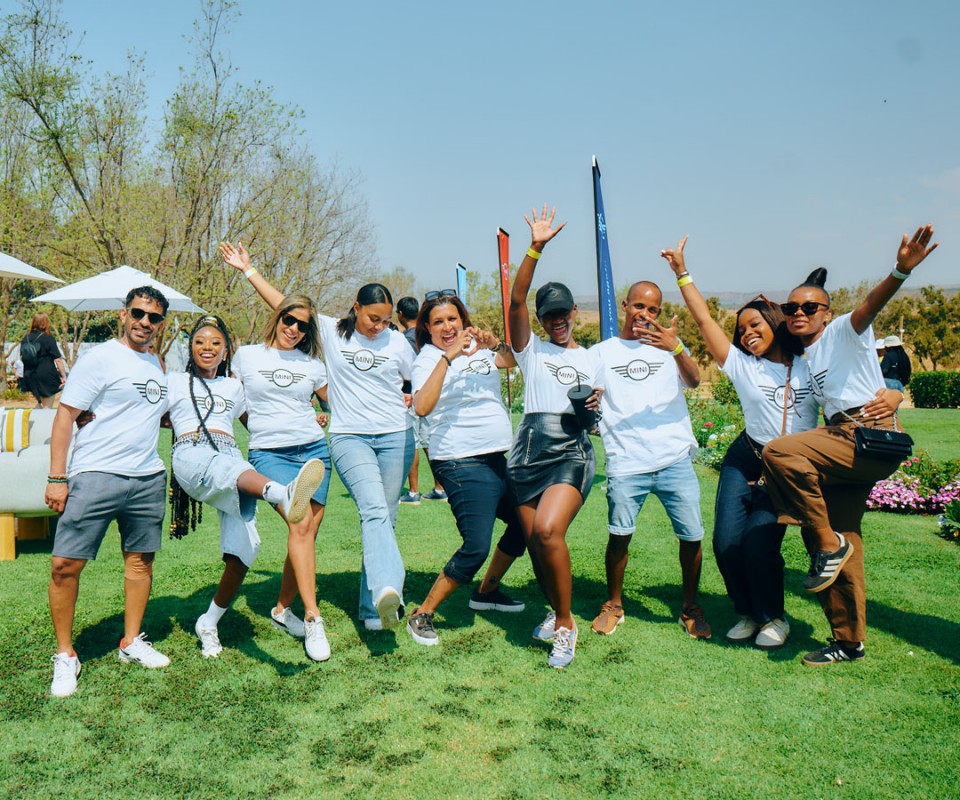
This is not just about bringing MINIs together. It is about bringing MINI people together.
It is about the stories, the style, the personalities, the customisation, the friendships and the unmistakable energy that happens when a community decides to take over the streets together.
In true MINI fashion, it is less look at us and more come join us.
A heritage that keeps moving
The original MINI was born from necessity. The modern MINI thrives because of emotion.
Across 67 years of global history and 24 years since its bold rebirth on South African soil, the brand has remained remarkably faithful to a simple philosophy: driving should feel joyful.
But MINI’s South African story has become about more than driving. It is about what happens when a global icon finds its own local rhythm – and when a community takes that identity and runs with it.
This Heritage Day, as engines start and convoys begin to roll through Johannesburg, that philosophy comes full circle.
Some heritage belongs in museums. MINI’s is best experienced with the windows down, the road unfolding ahead, and a groove that arrives long before the destination.
Because this is Mzansi MINI-ness: proudly local, fiercely stylish, slightly mischievous and never, ever boring.
Small car. Massive attitude.
See you on the streets. See you in style.

