
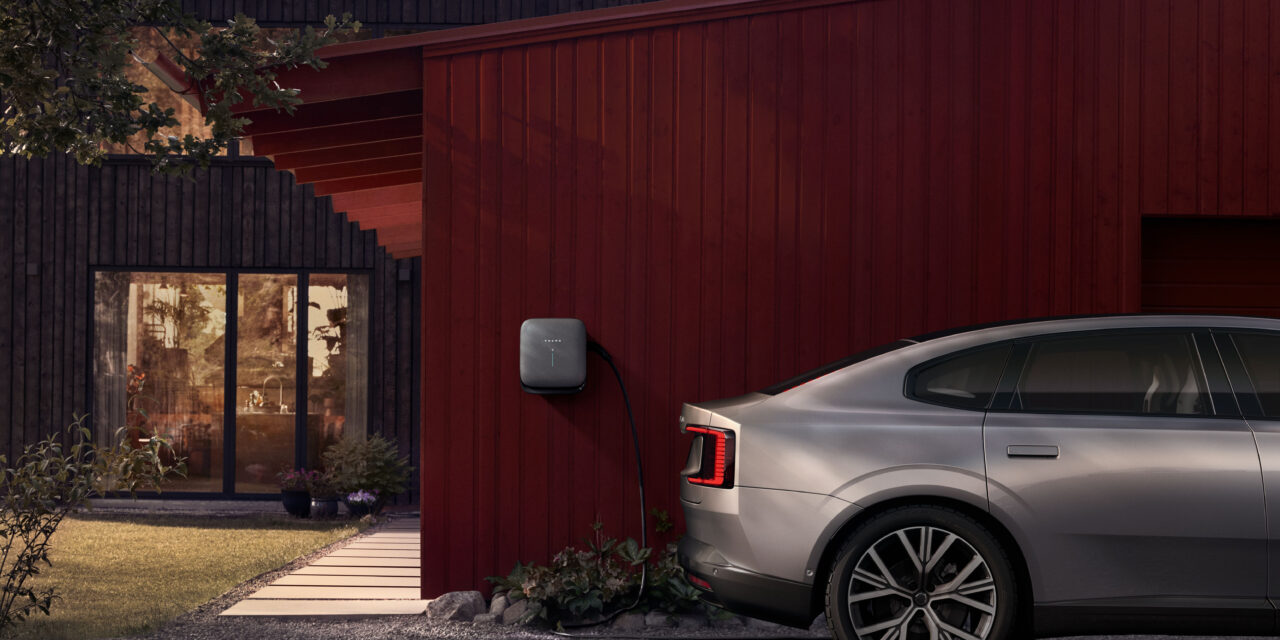
As petrol prices climb, South African motorists are reconsidering the cost of driving. Electric vehicles and plug-in hybrids are emerging as increasingly attractive alternatives, offering a different approach to efficiency, affordability and everyday mobility
With South Africa’s fuel price crossing the R30-per-litre mark, the economics of driving are changing. For motorists accustomed to fluctuating petrol prices, the rising cost of filling up is prompting a closer look at electric vehicles (EVs) and the potential savings they offer over time.
What was once largely a conversation about sustainability is becoming one about financial practicality. As consumers weigh the long-term costs of vehicle ownership, electric mobility is gaining momentum in a market traditionally dominated by petrol and diesel engines.
Electric Vehicle Sales Surge in South Africa
The shift towards electric vehicles in South Africa is already reflected in the numbers. According to industry data, sales of new energy vehicles (NEVs), including battery electric vehicles, plug-in hybrids and conventional hybrids, increased by 53% year-on-year between January and April 2026.
During this period, 7,065 NEVs were sold, while battery electric vehicle sales recorded an impressive 135% increase.
These figures suggest that South African consumers are becoming more receptive to alternative powertrains, particularly as fuel prices place additional pressure on household budgets.
Grant Locke, Managing Director of Volvo Car South Africa, believes the changing economic landscape is influencing how motorists approach their next vehicle purchase.
“The reality is that when fuel exceeds R30 per litre, running costs become a much bigger consideration for consumers. South Africans are looking beyond the purchase price of a vehicle and paying closer attention to the total cost of ownership, including fuel, maintenance and long-term operating expenses.”
The True Cost of Owning an Electric Vehicle
While the initial purchase price remains an important consideration, the long-term financial benefits of electric vehicles are attracting greater attention.
Unlike conventional vehicles, which depend on fluctuating petrol and diesel prices, EVs run on electricity. Charging costs vary according to electricity tariffs, charging locations and driving habits, but electric vehicles can offer significant savings in everyday operating expenses.
According to research comparing the five-year ownership costs of electric and petrol vehicles, powering an EV can cost substantially less than refuelling a comparable internal combustion engine vehicle.
Electric vehicles also generally have fewer moving mechanical components, potentially reducing certain maintenance expenses over time.
However, the financial equation extends beyond charging costs. Purchase prices, insurance, depreciation and access to charging infrastructure all influence the overall cost of ownership.
For motorists with suitable home-charging facilities, the ability to charge overnight adds another level of convenience. It also reduces reliance on conventional filling stations.
Why More South Africans Are Considering Electric Cars
Consumer interest is growing beyond actual vehicle sales. Industry reports point to increased online searches for electric vehicles, indicating that more South Africans are actively researching alternatives to petrol and diesel motoring.
This growing curiosity coincides with an expanding selection of electrified vehicles entering the local market.
Figures from naamsa, the Automotive Business Council, further highlight the upward trajectory of new energy vehicle adoption.
As manufacturers introduce more electrified models, consumers have greater opportunities to choose vehicles suited to their driving requirements, budgets and lifestyles.
However, the transition is unlikely to happen overnight. South Africa’s charging infrastructure, electricity costs and the affordability of fully electric vehicles remain important considerations.
For some motorists, hybrid technology offers a more accessible introduction to electrified driving.
Plug-In Hybrids Offer a Practical Middle Ground
While fully electric vehicles continue to gain attention, plug-in hybrid electric vehicles (PHEVs) are becoming an important part of the conversation.
Combining an electric motor and rechargeable battery with a conventional petrol engine, PHEVs allow drivers to complete certain journeys using electric power while retaining the flexibility of petrol for longer distances.
For motorists who regularly travel between Johannesburg, Pretoria and other major destinations, this combination can offer a practical balance between efficiency and convenience.
Volvo Car South Africa is positioning its plug-in hybrid range as an option for consumers who want to embrace electrification without committing entirely to battery-powered driving.
“What we’re seeing is a gradual but meaningful shift in consumer attitudes towards electric mobility,” says Locke. “While environmental considerations remain important, affordability and operating costs are becoming equally powerful drivers of adoption. Rising fuel prices are prompting many motorists to look for alternatives, but we also recognise that not everyone is ready to make the full transition to a purely electric vehicle just yet. That’s why we at Volvo are offering a range of Plug-in Hybrid Electric Vehicles (PHEVs), which combine the benefits of electric driving with the reassurance and flexibility of a traditional petrol engine. It’s about giving consumers practical options that suit their lifestyle and where they are on their electrification journey.”
The potential savings offered by plug-in hybrids depend largely on how frequently they are charged and how much driving is completed in electric mode. Nevertheless, they provide an alternative for drivers seeking to reduce fuel consumption while maintaining the familiarity of a petrol engine.
Is South Africa Entering a New Era of Electric Mobility?
South Africa’s transition towards electric mobility is being shaped by several factors. Rising fuel costs, greater consumer awareness and a growing selection of electrified vehicles are changing how motorists evaluate their transport options.
Although sustainability remains central to the global electric vehicle movement, financial considerations are becoming an equally compelling reason to explore the technology.
For South African consumers, the decision increasingly comes down to finding a vehicle that balances purchase price, running costs, convenience and long-term value.
As fuel prices remain volatile, the appeal of electric and hybrid vehicles is likely to strengthen, particularly among motorists looking for greater predictability in their monthly transport expenses.
“The conversation around EVs is no longer only about sustainability. It’s increasingly about economics. At R30 per litre, many motorists are asking whether there is a smarter and more cost-effective way to travel, and electric vehicles are becoming part of that answer,” concludes Locke.
The future of motoring in South Africa may not be exclusively electric just yet. However, as the cost of conventional driving continues to influence purchasing decisions, electrification is becoming an increasingly relevant part of the country’s automotive landscape.
