
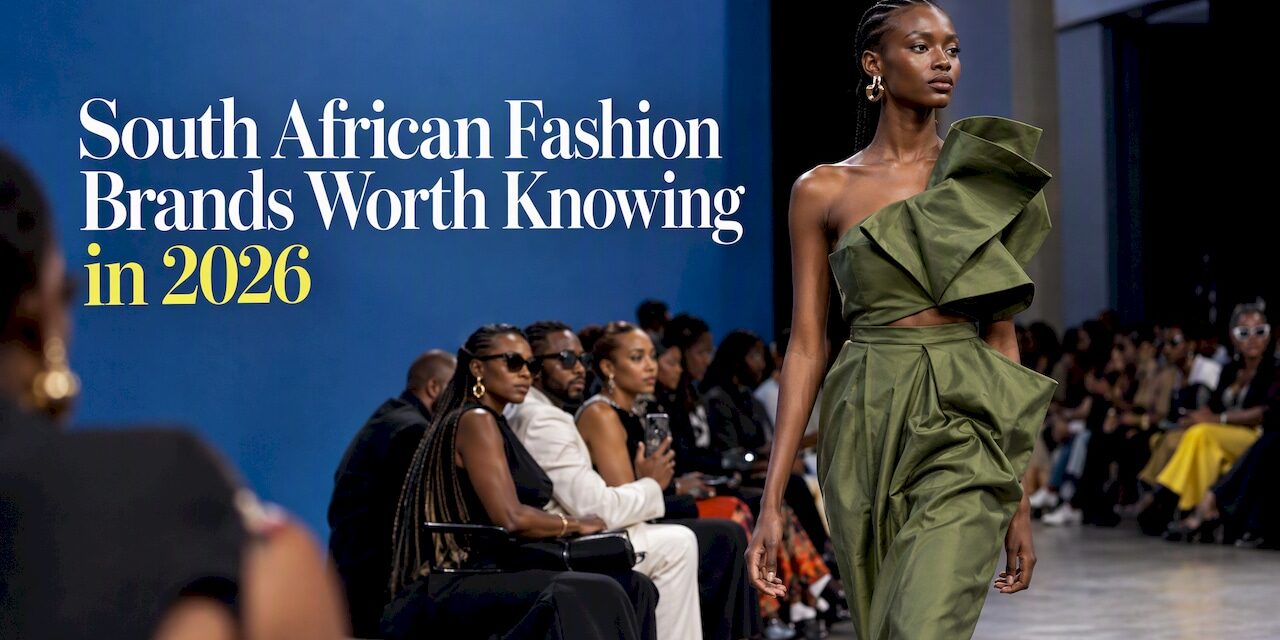
The South African fashion brands worth knowing right now range from established names such as Thebe Magugu, Mantsho and MaXhosa to newer labels like Shamyra Moodley, Nokhukhanya Zungu, Cindy Mfabe and NO SHADE. Each has its own signature, from beadwork-inspired knitwear to modular tailoring. This guide tells you who they are, what they are known for, where they work and how to tell the established houses from the ones just breaking through.
TL;DR
- Established names include Thebe Magugu, Mantsho (Palesa Mokubung) and MaXhosa (Laduma Ngxokolo). Emerging ones to watch include Shamyra Moodley, Nokhukhanya Zungu, Cindy Mfabe and NO SHADE.
- Each label has a clear signature: MaXhosa for knitwear, The BAM Collective for graphic eco-prints, UNI FORM for modular tailoring and BOYDE for minimalist luxury.
- Heritage runs through the work, from Xhosa beadwork to isiZulu ancestral themes.
- The 2026 runway season pointed towards adaptable, reconfigurable clothing.
- Look for made-to-order and local production, and read the brand’s own story before you buy.
Table of Contents
- The established names
- Emerging designers gaining attention
- What each brand is known for
- How culture and heritage shape the clothes
- Where the clothes are made
- What the 2026 runways say about direction
- How to choose a label that suits you
- Our perspective
- Follow the scene with Joburgstyle
- FAQ
- Sources
The established names
If you want a short list of South African designers with real standing, start with three. According to a 2026 roundup in Bona, the established names are Thebe Magugu, Palesa Mokubung of Mantsho and Laduma Ngxokolo of MaXhosa. They are the labels other designers are measured against, and each gives you a different way into local fashion.
MaXhosa by Laduma Ngxokolo is the easiest to recognise. The label is known for knitwear inspired by Xhosa beadwork, and it uses local production. If you have seen a bold geometric knit and wondered where it came from, this is a likely answer.
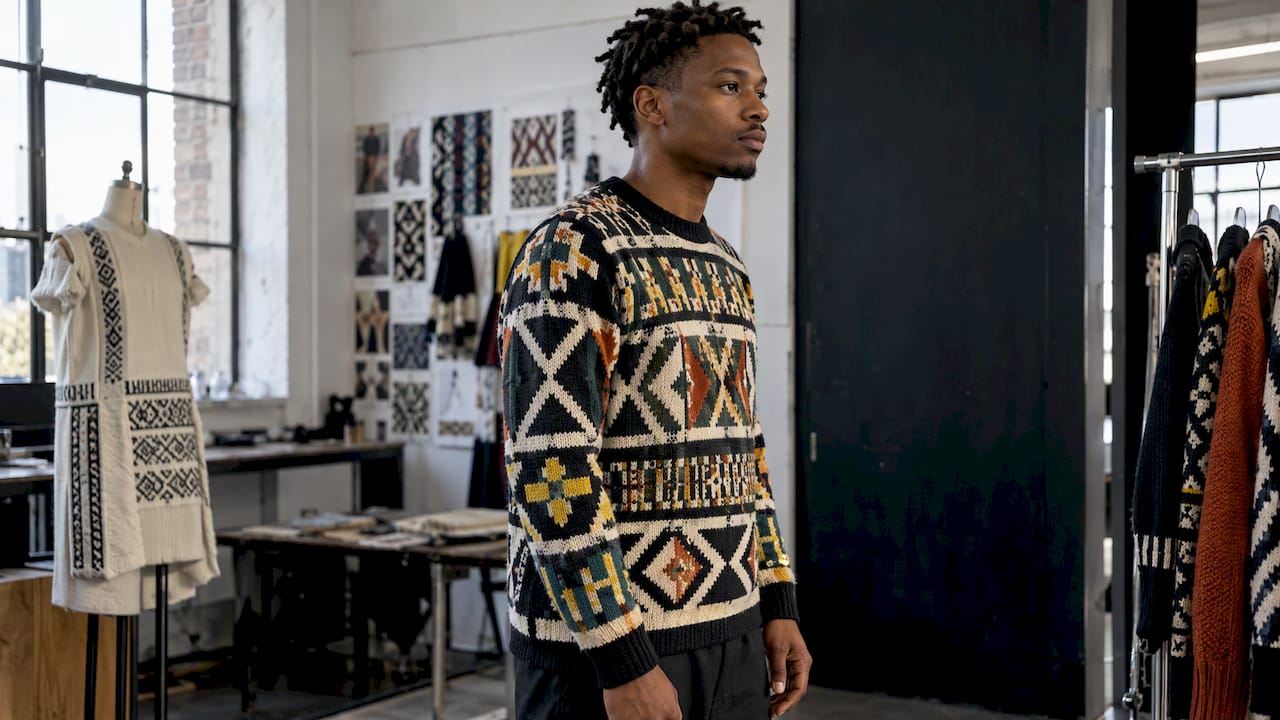
Thebe Magugu and Mantsho complete the trio. Both are consistently listed among the designers to know, and both show that South African fashion is not one look. Think of them as the starting point for anyone building a picture of the local scene.
Other houses are shaping the conversation too. A 2025 feature on fashion houses shaping South African design highlights The BAM Collective, UNI FORM, BOYDE and Ezokhetho, among others. They are covered below.
Emerging designers gaining attention
The same Bona list names four emerging designers: Shamyra Moodley, Nokhukhanya Zungu, Cindy Mfabe and NO SHADE. They sit alongside Ditiro Mashigo, who also appears on the list of designers to know.
Why follow emerging labels at all? Because that is where you find new ideas first, and often smaller runs and more direct contact with the maker. We have long covered the rising end of the scene, from the Local Fashion Police 2026 top 30 finalists to the young talent on show at Soweto Fashion Week 2026. If a name keeps appearing in both places, it is worth your attention.
Regional scenes matter as well. Our look at KZN South Coast labels making an impact on the global stage shows that good fashion is made well beyond Johannesburg and Cape Town.
What each brand is known for
A name only helps if you know what to expect. This table pulls together the signatures reported by the sources we used.
| Label | Designer | Known for | Source |
|---|---|---|---|
| MaXhosa | Laduma Ngxokolo | Knitwear inspired by Xhosa beadwork | The Throne, 2025 |
| The BAM Collective | Jacques Bam | Bold silhouettes and graphic eco-prints | The Throne, 2025 |
| UNI FORM | n/a | Modular, trans-seasonal tailoring | The Throne, 2025 |
| BOYDE Official | Samkelo Boyde Xaba | Minimalist, contemporary luxury inspired by modernist architecture and African heritage | The Throne, 2025 |
| Ezokhetho | Mpumelelo Dhlamini | Modern designs with isiZulu heritage and ancestral reverence | The Throne, 2025 |
| Sindiso Khumalo | Sindiso Khumalo | Feminine, female-focused collections in recycled cotton, with patterns from African and diaspora portraiture | Belmond, 2024 |
| Lukhanyo Mdingi | Lukhanyo Mdingi | Contemporary shapes in materials such as striped wool and silk, made with artisans | Belmond, 2024 |
A few of these deserve a closer look.
Graphic prints and conscious making
The BAM Collective, led by Jacques Bam, is known for bold silhouettes and graphic eco-prints. It also emphasises conscious, made-to-order production from a studio in Centurion, as reported in 2025. That is a useful reminder that a statement print and a considered production model can sit together.
Minimalism with architectural roots
BOYDE, founded by Samkelo Boyde Xaba, takes the opposite route to bold print. Its focus is minimalist, contemporary luxury informed by modernist architecture and African heritage. If your wardrobe leans towards clean lines and a restrained palette, this is the kind of label to explore.
Tailoring that adapts
UNI FORM is described as working in modular, trans-seasonal tailoring. In practical terms, that means pieces designed to be worn across more than one season, which suits Gauteng’s long stretch of mild days and sharp evenings.
Softer, feminine collections
Sindiso Khumalo is recognised for feminine, female-focused collections that use recycled cotton and patterns inspired by African and diaspora portraiture, according to a 2024 profile.
How culture and heritage shape the clothes
South African fashion is rarely just about the garment. Designers draw on Xhosa beadwork aesthetics, isiZulu heritage and ancestral reverence and place them in contemporary designs. Ezokhetho is a clear case: its founder, Mpumelelo Dhlamini, builds isiZulu heritage and ancestral reverence into modern clothing.
That is also why the best local labels are easy to tell apart from fast-fashion lookalikes. The reference is specific: a bead pattern, a portrait tradition, a building style. When you can name what a collection is drawing on, you are usually looking at a label with a point of view.
If this theme interests you, our explainer on Afrofuturism fashion and the South African designers working with it goes deeper into how heritage and imagined futures meet in the same garment.
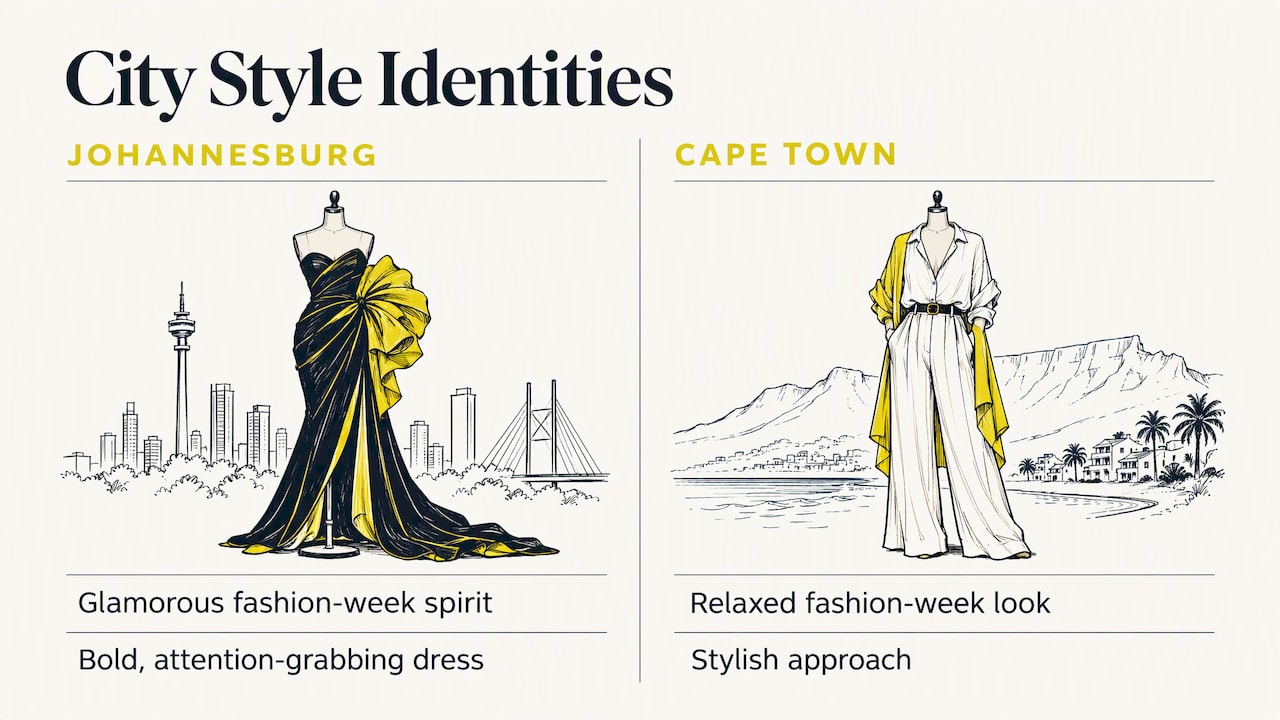
City identity plays a part too. Writing on the 2026 fashion week showcases, commentator Cecile Paul observed that Johannesburg leaned towards a glamorous, bold spirit while Cape Town favoured a more relaxed, stylish look. That is one person’s reading, but it matches what many of us see on the ground: Joburg dresses to be noticed.
Where the clothes are made
Shoppers increasingly ask where a garment was designed and made. The honest answer differs by brand, so here is what the sources support.
- MaXhosa uses local production.
- The BAM Collective works from a Centurion studio and champions made-to-order production, which means pieces are made after you order rather than sitting in stock.
- Lukhanyo Mdingi collaborates with artisans in Cape Town and Burkina Faso, as described in 2024.
When a brand does not state its production clearly, ask. A genuine local label is usually happy to tell you who makes the clothes and where. Look for specifics, such as a studio location, a named workshop or a described process, rather than general phrases about being ethical.
If buying with a lighter footprint matters to you, resale is also part of the picture. We have covered how pre-owned fashion is moving into the mainstream in South Africa’s luxury market.
What the 2026 runways say about direction
Fashion week is the quickest way to see where local design is heading. Reporting on the spring/summer 2026 season of South African Fashion Week in Wanted points to a few clear threads.
- Adaptability. Fashion writer Jennifer Krug noted that designers were making garments that can expand, adjust and reconfigure for different bodies.
- Modular construction. Black Coffee’s collection, titled Off Grid, used modular construction, pleats and pin tucks to create silhouettes that move with the wearer.
- Workwear meets street. Helon Melon showed mohair, raffia and workwear-inspired pieces paired with sneakers.
Taken together, the message is practical: clothes that flex with the body, work across seasons and mix textures freely. It lines up neatly with the trans-seasonal thinking at UNI FORM and the made-to-order approach at The BAM Collective.
For the on-the-ground atmosphere, read our Day 3 highlights from SA Fashion Week at Melrose Arch. South African work is also travelling: see how South African designers drew global attention at Shanghai Fashion Week 2025. And if you want to place local trends against the wider picture, our guide to global fashion trends in 2026 is a good companion.
Showcases are no longer only about the clothes. Many brands now build the experience around the collection, with live performers in costume walking the floor at launches and shopping events. If you plan a launch, a fashion event walk acts offering shows how costume and performance can pull a crowd towards the rails.
How to choose a label that suits you
With so many names, a simple method helps.
- Start with your wardrobe gap. Need tailoring that works across seasons? Look at UNI FORM. Want an investment knit? Look at MaXhosa. Want a clean, minimal shirt or jacket? Look at BOYDE.
- Read the story behind the collection. A label that can say what it draws on, whether Xhosa beadwork or portrait traditions, usually has a stronger design identity.
- Check how it is made. Made-to-order and local production are claims you can ask about. Expect to wait for made-to-order pieces.
- Follow a few emerging names. Pick two of Shamyra Moodley, Nokhukhanya Zungu, Cindy Mfabe and NO SHADE and watch their next collections.
- Check the official channels for prices and availability. Stock, ranges and prices change from season to season, so confirm on each brand’s own website or social pages before you plan a purchase.
Our perspective
Writing about South African fashion from Johannesburg means watching a scene that does not wait for permission. Designers here work with beadwork, ancestral stories, graphic prints and modular cuts, and they do it with a confidence that is hard to fake.
We built Joburgstyle to give that talent room. We cover local designers, runways and community initiatives, and we connect Johannesburg with Dubai and the wider world, because we believe African fashion belongs in a global conversation on its own terms.
Our advice is simple: do not treat a list like this as the end. Use it as a map, then follow the labels through the runway reports, interviews and events we cover. That is how a name on a page becomes a wardrobe you understand.
Chad
Follow the scene with Joburgstyle
Joburgstyle is an online platform covering fashion, lifestyle, arts and culture in Johannesburg, South Africa and beyond. We publish event coverage, interviews and features that put local designers in front of readers who care about them.
If you want to keep up with new collections, runway reports and the people behind the labels, start on the Joburgstyle homepage.
Designers, event organisers and brands who want their story told to this audience can also work with us on features and event coverage. Start with our SA Fashion Week coverage to see how we report.
FAQ
Which South African fashion designers are the best known?
The established names in a 2026 Bona list are Thebe Magugu, Mantsho (Palesa Mokubung) and MaXhosa (Laduma Ngxokolo). Ditiro Mashigo also features among the designers to know. They are a good place to start before exploring newer labels.
Which emerging South African designers should I watch?
Shamyra Moodley, Nokhukhanya Zungu, Cindy Mfabe and NO SHADE are named as emerging designers in the same list. Follow their collections through fashion week reports and local showcases. Our coverage of Soweto Fashion Week and the Local Fashion Police finalists is another way to spot new talent.
Is South African fashion made locally?
It depends on the label. MaXhosa uses local production, and The BAM Collective makes to order from a Centurion studio. Lukhanyo Mdingi works with artisans in Cape Town and Burkina Faso. Ask any brand directly where and how its pieces are made.
What is South African fashion known for?
It is known for strong heritage references, such as Xhosa beadwork and isiZulu ancestral themes, combined with modern cuts. Recent runways have also leaned towards adaptable, modular clothing. The range runs from bold graphic prints to quiet minimalism.
Sources
- Best South African Designers to Know in 2026, Bona
- 10 fashion houses shaping South African design, The Throne Magazine
- SAFW SS26: Where garments move, Wanted
- The South African fashion designers to watch, Belmond
Recommended
- Local Fashion Police 2026 Reveals Top 30 Finalists Celebrating South African Style
- Soweto Fashion Week 2026: Three Days of African Fashion, Creativity and Emerging Talent
- KZN South Coast’s fashion labels making an impact on the global stage
- FIASA Awards 2024: Celebrating South Africa’s Fashion Pioneers & Trailblazers
