

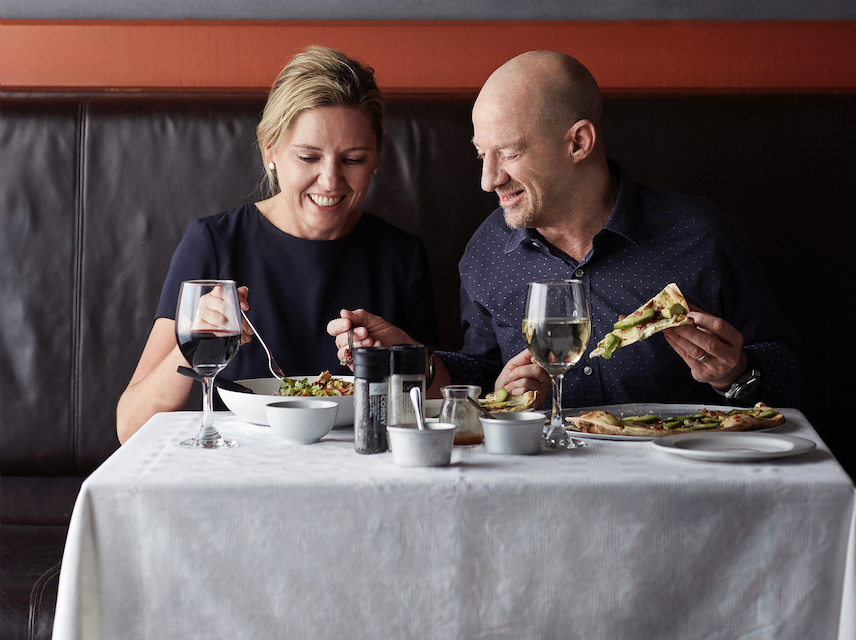
With people at its heart and a fresh perspective on how South Africans dine, Col’Cacchio is finding new ways to bring its food to the table
From a birthday opening on Cape Town’s Foreshore to restaurant tables and home ovens.
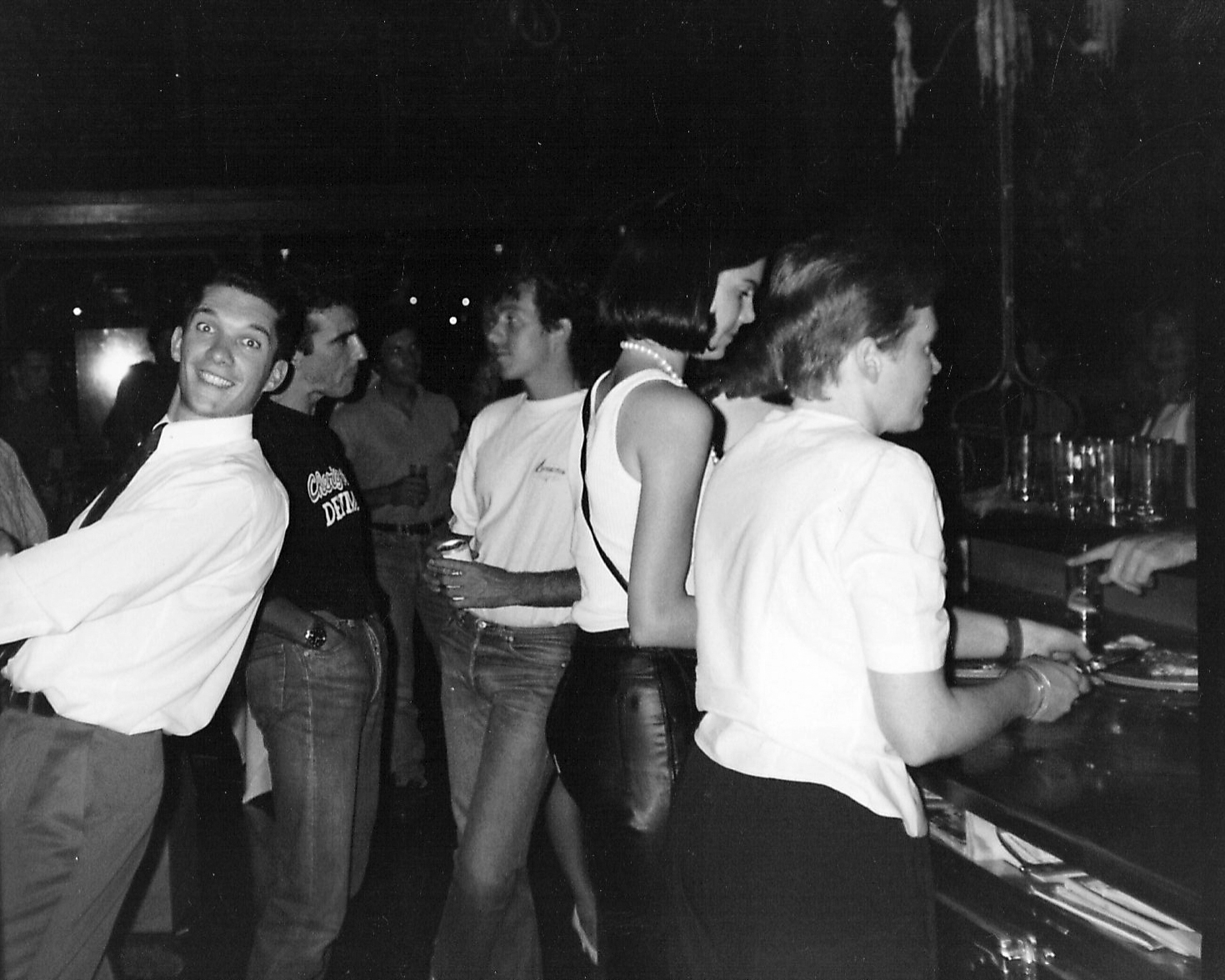
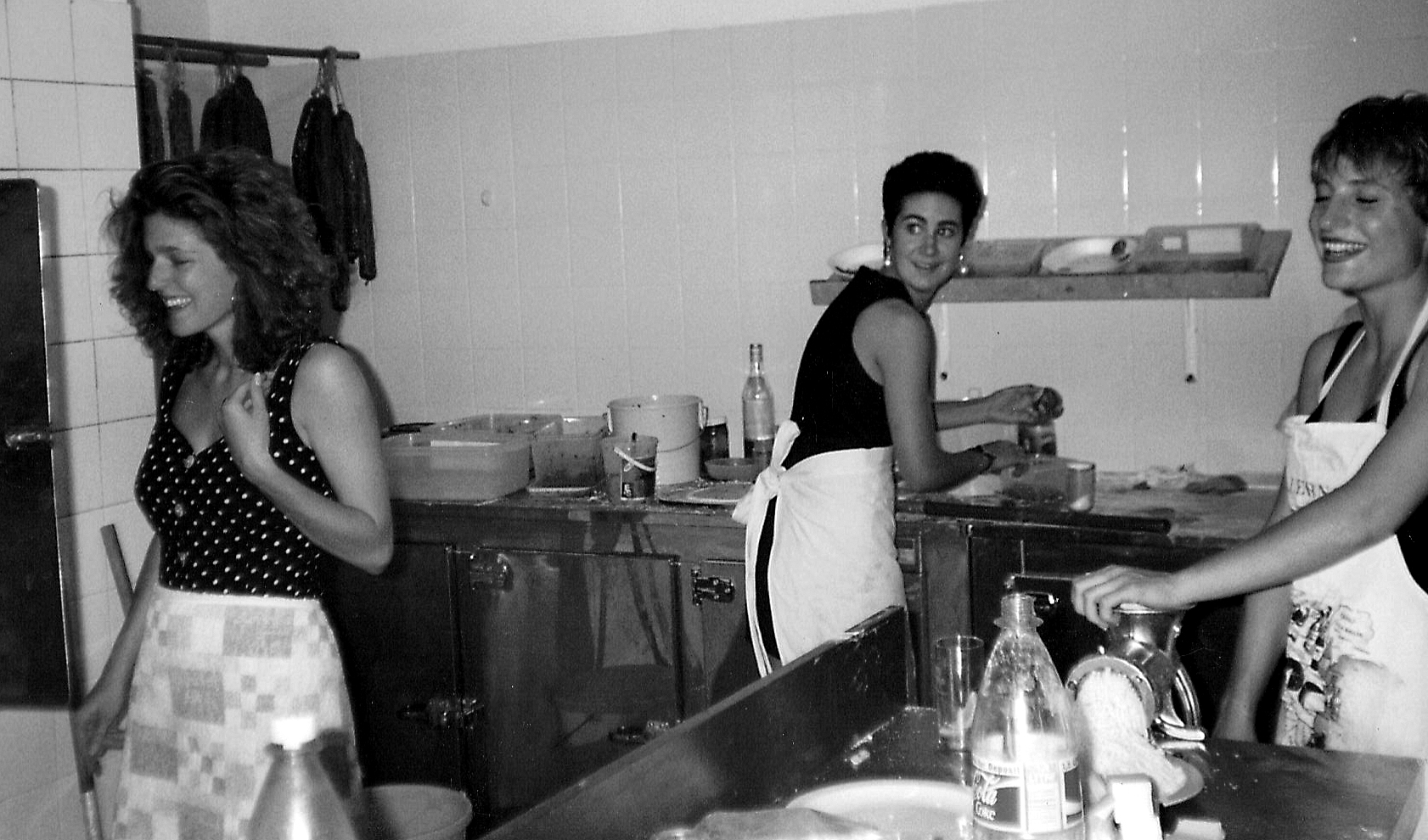
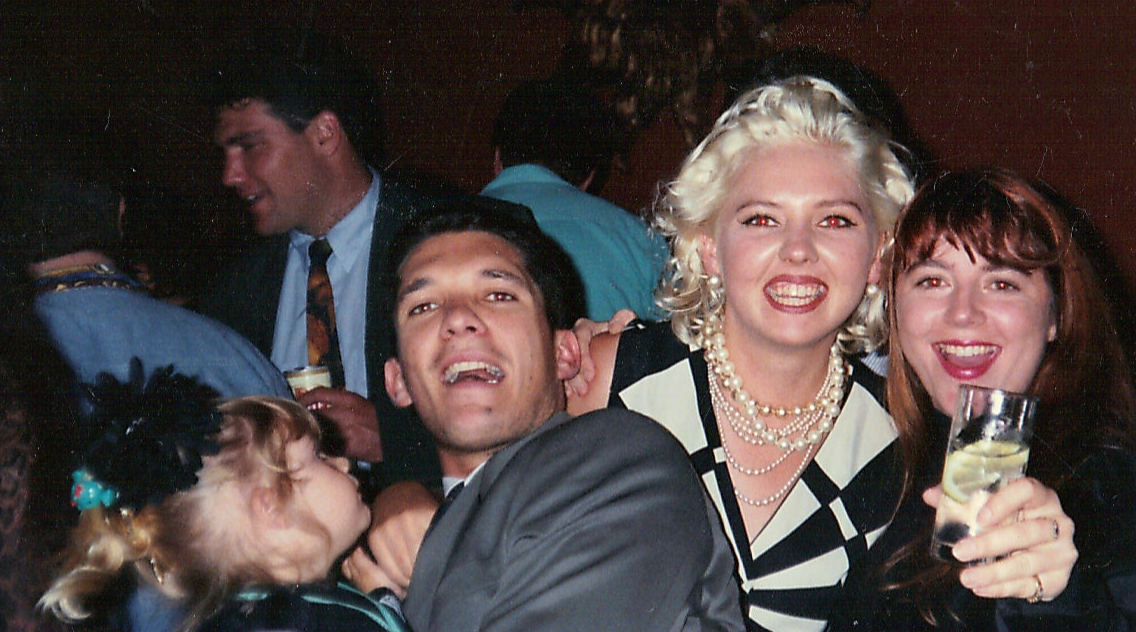
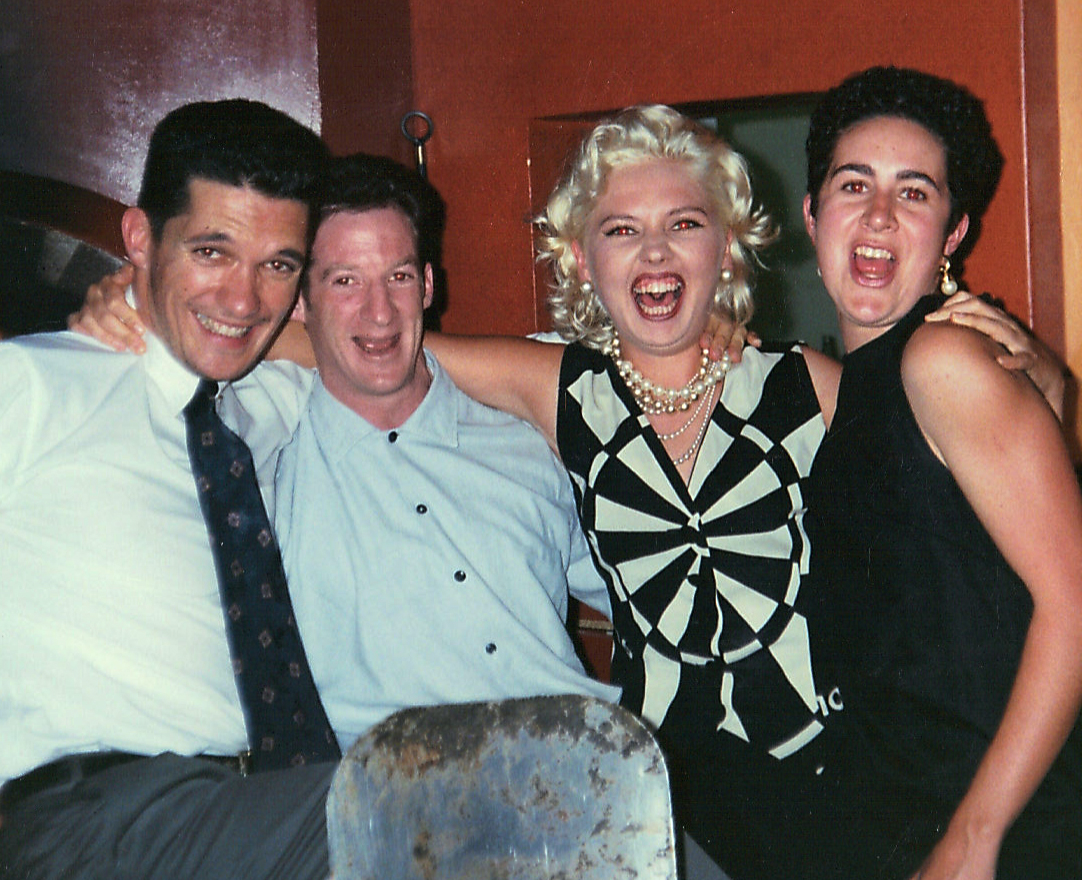
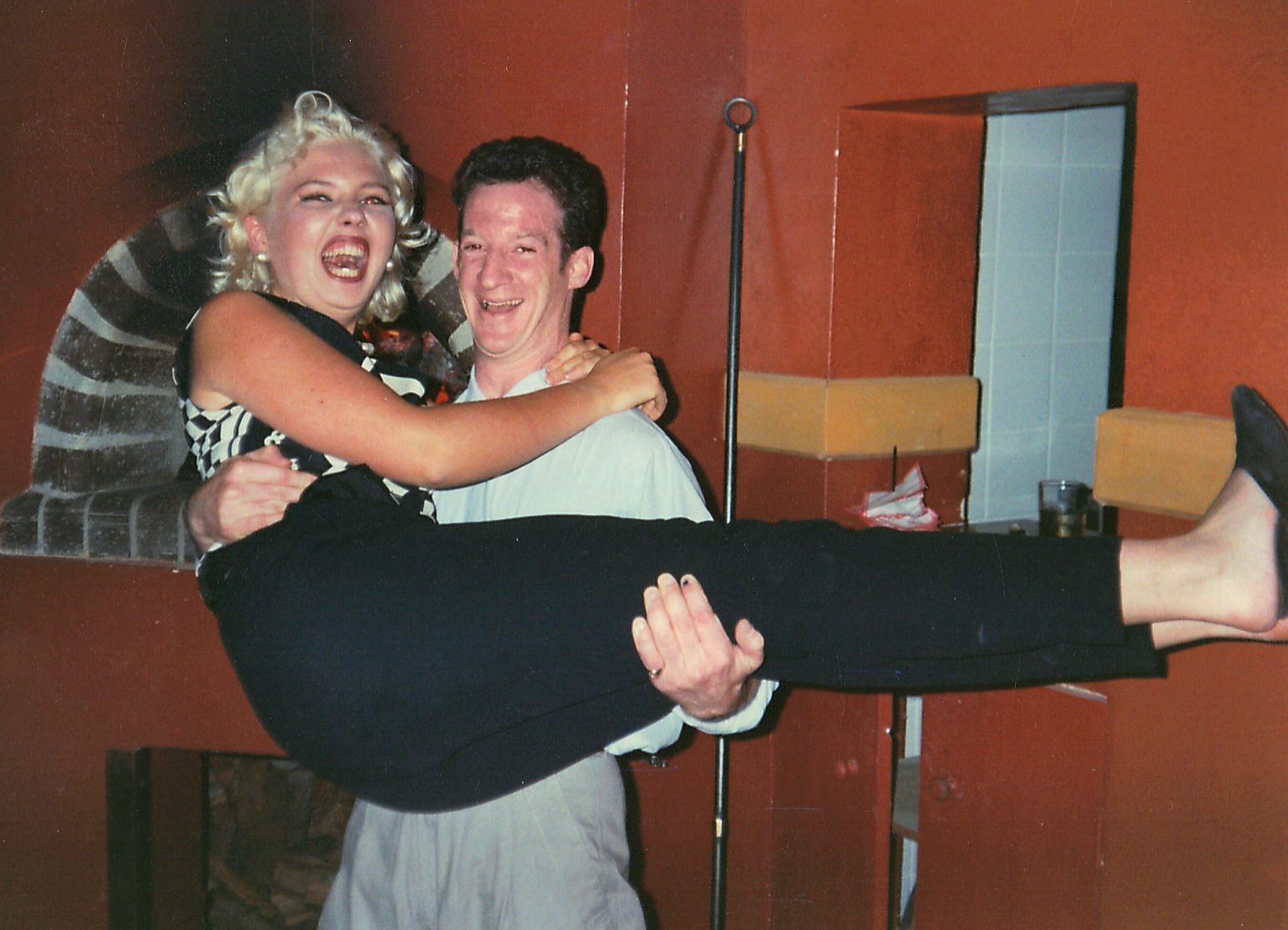
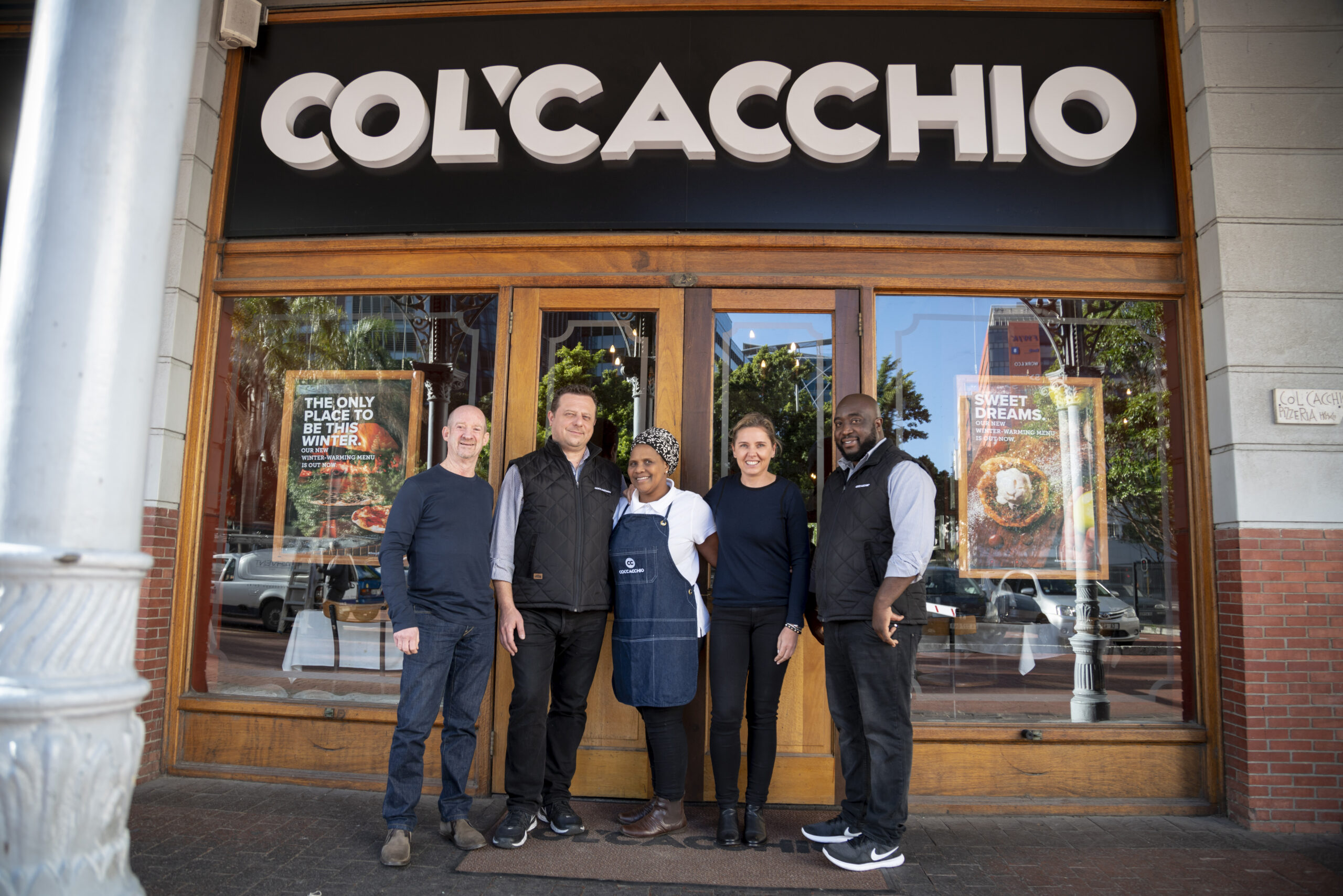
When Kinga Baranowska celebrated her 21st birthday, there was little time for a party. She and Michael Terespolsky were opening their first restaurant on Cape Town’s Foreshore, and there were pizzas to make, customers to serve and a business to get off the ground.
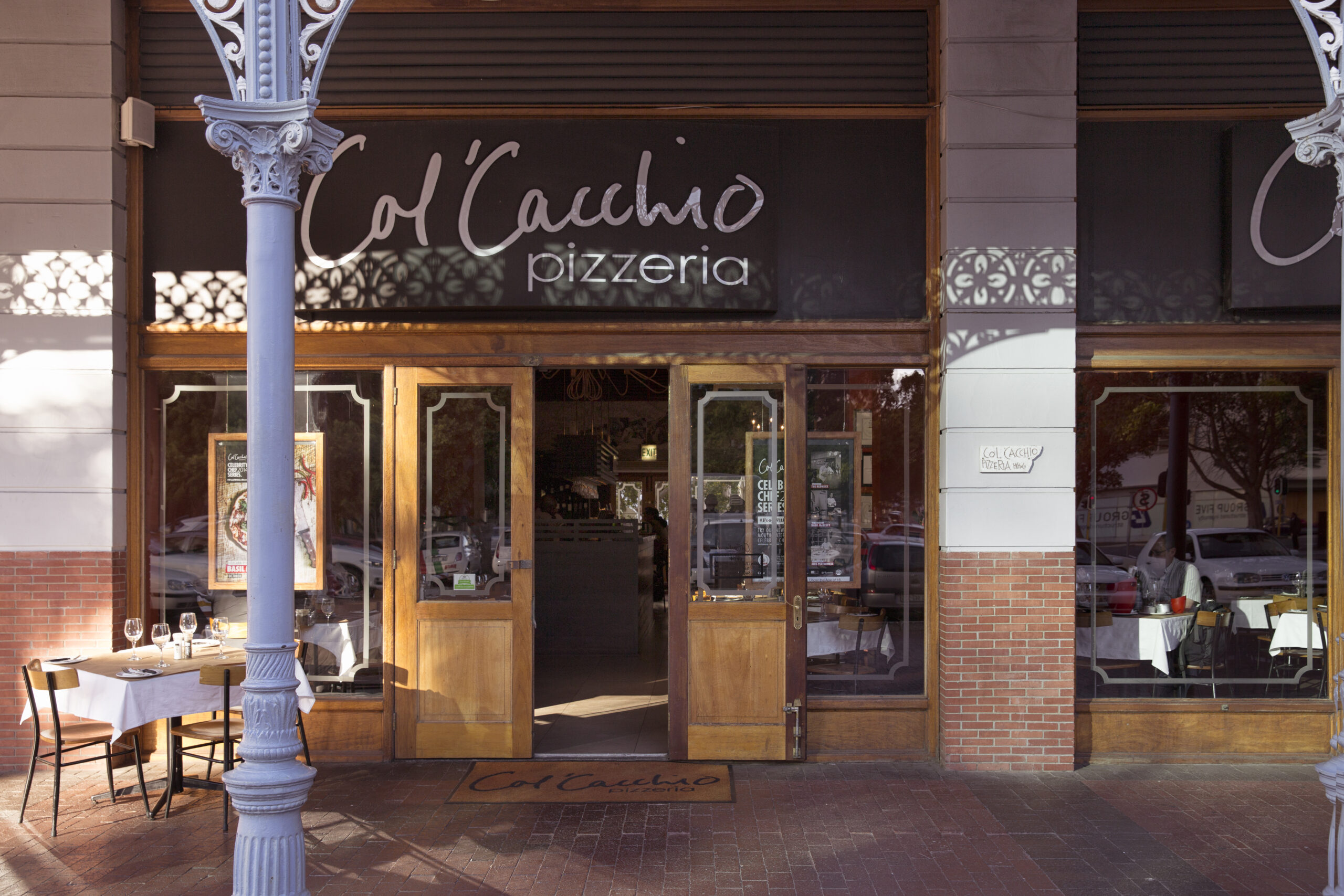
That was 9 November 1992. Almost 34 years later, the original Col’Cacchio still operates from those premises.
The business has grown considerably since then. Today, its story extends beyond restaurant dining to Col’Cacchio GO, takeaway and delivery, and retail pizzas customers can finish in their own ovens.
Speaking to JoburgStyle, Group CEO Etienne Pieterse explained what sits behind that evolution: an understanding of how customers are changing, a commitment to the food, and a responsibility towards the people whose livelihoods depend on the restaurants.
A birthday a small budget and a big commitment
Before Cape Town, Kinga’s relationship with food had taken shape through her grandmother’s ice-cream shop in Poland and her mother’s cooking. Later, working in an Italian restaurant in Johannesburg helped turn that interest into the ambition to open a place of her own.
Michael proposed that they build the venture together in Cape Town. He travelled ahead to secure premises and begin the groundwork, with Kinga joining as the restaurant came together.
They had a modest budget, support from family and friends, and plenty to learn.
Pieterse recalled Kinga’s account of that first night: many of the pizzas were burnt. It is an endearing detail now, but it also captures how much work lay ahead.
Kinga developed the menu and led the food, while Michael brought his entrepreneurial experience. Their business partnership later became a marriage, and the restaurant became a shared commitment that demanded their time and attention.
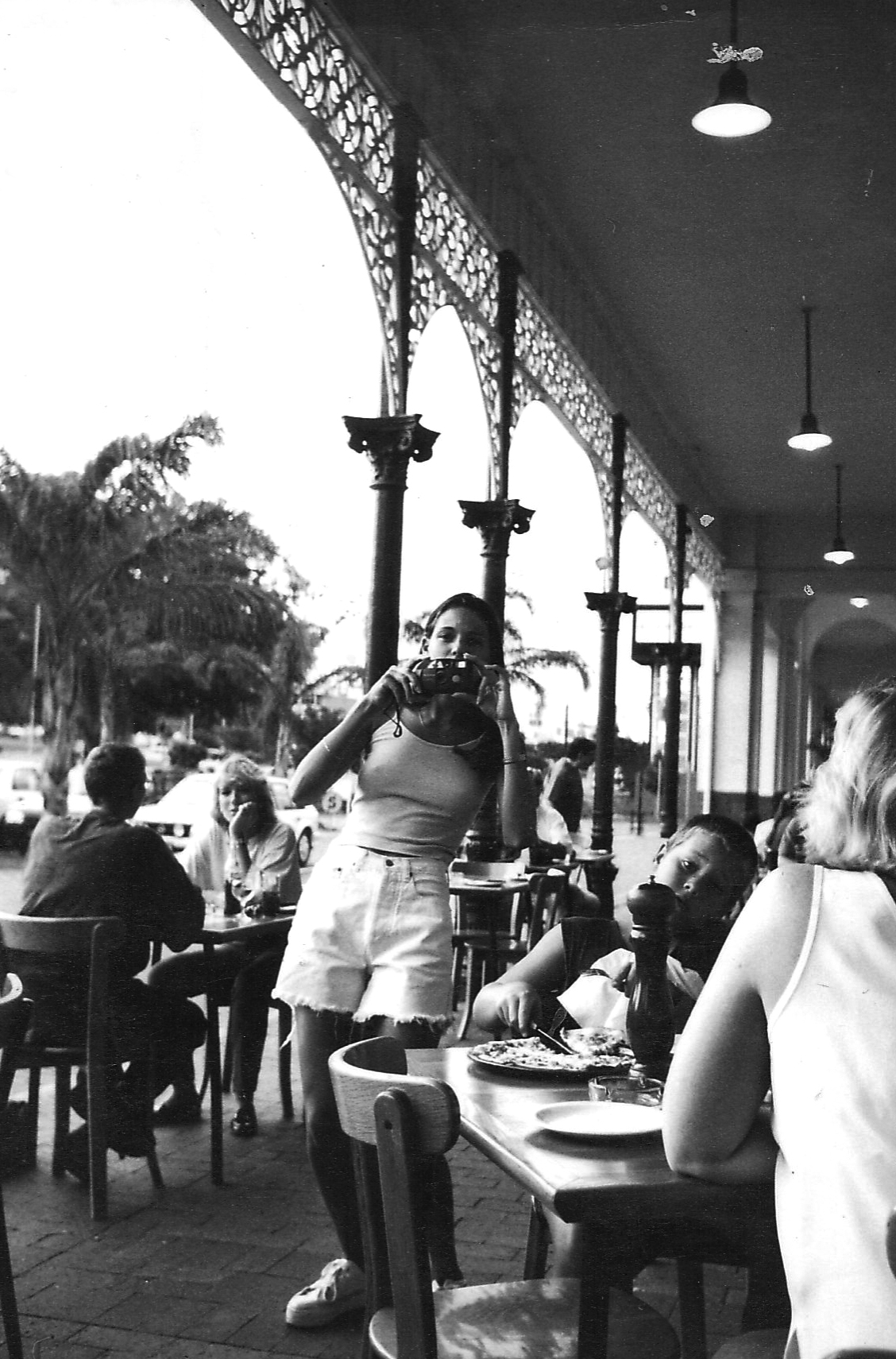
They spent years getting the basics right before expanding through franchising roughly a decade later. Pieterse described founders who remain meticulous about detail and willing to challenge an idea until they are happy with it. That involvement continues to influence the business today, particularly through Kinga’s work on food and product development.
The families behind the business
For Pieterse, understanding Col’Cacchio meant looking closely at the businesses within the group.
A chartered accountant by background, he describes business development as his strength, with the numbers helping him decide where to focus. But the figures also represent people.
He said the group includes approximately 20 restaurant partners, some of whom operate more than one outlet. These are people who work in their restaurants, employ local teams and live in the communities they serve.
After COVID, those who had managed to stay open were still dealing with the consequences.
“How do I make sure that 20 households continue to thrive?” Pieterse asked during the interview.
That question helped shape his approach. Growing the brand needed to mean stronger businesses for its operators, with a realistic opportunity to earn a living and build a future.
He also changed the language used within the group, replacing “franchisees” and “franchisors” with “partners”.
The word reflects the relationship he wants to build: one in which restaurant owners have support, a voice and a shared interest in the group’s success.
According to Pieterse, the restaurants retain their own freshly prepared food offering rather than receiving ready-made meals from a central kitchen. Shared brand standards sit alongside local sourcing of fresh produce and the daily involvement of the people running each restaurant.
When the customer changes the business has to listen
One of the clearest shifts Pieterse identified was where people wanted to eat.
Col’Cacchio had historically been heavily dependent on sit-down dining. The trading picture he described had moved towards a mix of approximately 60 per cent takeaway and delivery and 40 per cent sit-down.
Customers still wanted good food. They were simply making different decisions about when to go out and when to stay home.
Someone who previously visited several times a month might now come in less often, expecting that visit to feel more special. On other evenings, they might order the same brand’s food to enjoy on the sofa.
For a business with large dining rooms and experienced restaurateurs, that required a change in thinking.
“You can have a very strong e-commerce business, and you can have a traditional sit-down business,” Pieterse said. “And when you blend the two, that’s when you start creating sustainable and long-term value.”
Col’Cacchio GO grew out of that thinking.


A smaller space with a clear purpose
Pieterse described the first standalone GO in Westlake, Cape Town, as a full kitchen with a counter and two small tables.
The focus was straightforward: preserve the food preparation while creating a format suited to takeaway and delivery, with fewer of the operating requirements of a large dining room.
Packaging became part of the experience. So did the ordering process.
Orders from delivery platforms feed into the point-of-sale system and digital kitchen displays, reducing the need to capture them manually before the kitchen begins preparing the food. Pieterse also described working with Uber Eats and Mr D to improve delivery costs across the group.
Existing restaurants adopted GO identities for their online offerings, giving customers a consistent delivery menu alongside the sit-down experience.
Pieterse reported eight GO openings across South Africa and Mauritius during the group’s last financial year. In Mauritius, existing restaurant owners saw the potential and added the format themselves.
For partners, GO offers another way to reach customers. For customers, it makes Col’Cacchio available on evenings when going out is not on the agenda.
From the restaurant oven to the home oven
The retail story began during lockdown.
With restaurants closed, Kinga started exploring how to bring Col’Cacchio pizza into people’s homes. The challenge was to develop something that worked in a domestic oven while retaining the qualities customers associated with the restaurant.
That required changes to the dough and preparation. Later, developing a frozen offering created the opportunity to extend shelf life and reach beyond the initial Western Cape heat-and-eat range.
Pieterse stressed that the production process still involves handmade preparation and wood-fired ovens. Bases are partially cooked, topped and frozen, ready for customers to finish baking at home.
“Just because something’s frozen doesn’t mean it’s not fresh,” he said.
His point was about what happens before the product reaches the freezer: the ingredients, preparation and cooking that determine the finished result.
He was equally clear about price. Col’Cacchio does not intend to be the cheapest option. Its promise depends on delivering food that makes customers feel their choice was worthwhile.
Good ideas still have to earn their place
The same thinking carries into menu development, where Pieterse and Kinga regularly challenge each other.
A dish might excite them. The kitchen might be able to execute it well. But there is another question to answer: does the customer want it?
“You start making food that you want the consumer to eat, not what the consumer wants to eat,” Pieterse said, describing a trap restaurants can fall into.
Their discussions combine Kinga’s culinary experience, his interest in food and their observations of what guests are ordering.
He pointed to growing interest in smaller plates and sharing, as well as customers choosing fewer, more considered drinks. Someone may want a good cocktail and something to snack on, rather than a large main course.
Those habits are helping inform the forthcoming summer menu, which Pieterse indicated was expected around 24 November 2026.
As Col’Cacchio approaches its 34th anniversary, its next chapter is being shaped by that willingness to listen.
The setting may be a restaurant, a takeaway counter or a kitchen at home. The task remains familiar: make food people want to eat, give them a reason to return, and look after the people making it happen.
“Every lasting story begins with the courage to take the first step. Thirty-four years later, Col’Cacchio reminds us that belief is also what keeps you going—through the difficult days, the changes and the decision to try again.”
