
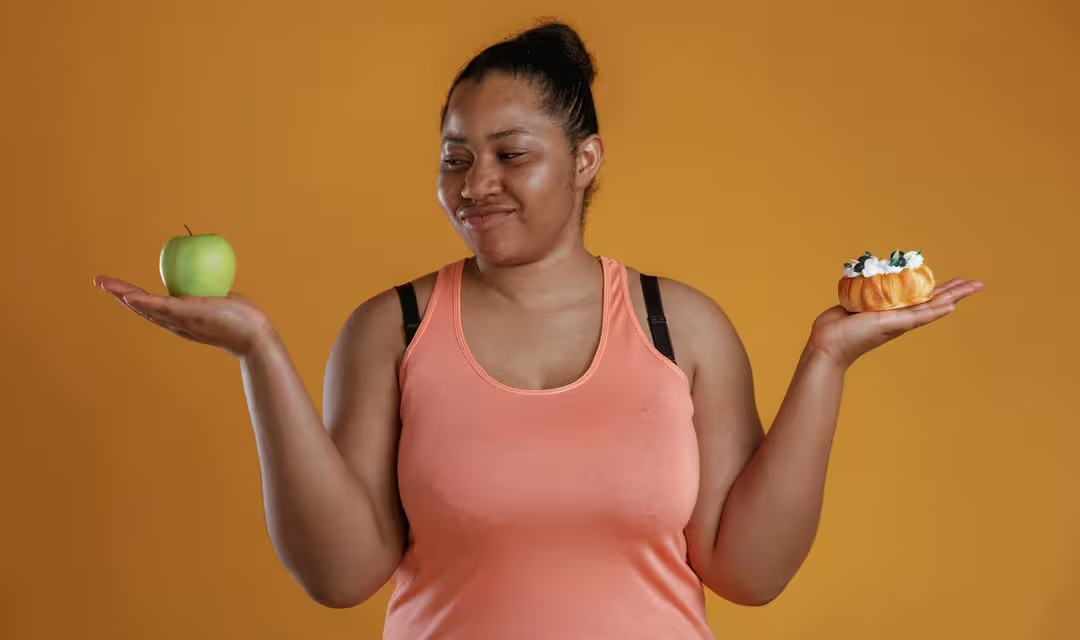
Sugar is everywhere. It hides in cereals, sauces, and even fruit juices labelled “100% natural.” Research shows that South Africans now consume nearly three times more sugar than they did 50 years ago, with ultra-processed foods driving this sharp rise.
“We’re in a war with sugar, and sugar is winning. It hijacks the brain’s reward system, creating cravings and withdrawal symptoms. A soda contains about seven teaspoons of sugar – enough to keep the cycle going,” says Dr Smook.
“Sugar dramatically increases the risk of high blood pressure, heart disease, type 2 diabetes, and even depression. This is no longer just about weight – it’s about survival and quality of life.”
~ Dr Tommie Smook, Medical Practitioner at Dr Smook & Partners
Over time, excess sugar raises blood pressure, inflames blood vessels, and builds up visceral fat around organs. This creates the perfect storm for heart attacks and strokes, already placing immense strain on South Africa’s health system.

Practical Strategies for Obesity Rates in South Africa
According to Dr Smook, you don’t have to go cold turkey to make progress and win the war against sugar. Thoughtful changes, done consistently, can reset this relationship, helping you feel lighter and more energised.
- Rethink sauces: a spoon of chutney may contain more sugar than a biscuit. Use spice rubs or lemon juice instead.
- Skip flavoured drinks: infuse sparkling water with fruit slices instead of reaching for juice or soda.
- Check your cereal: many “healthy” mueslis are sugar bombs. Choose oats with nuts and fresh fruit.
- Beware of “low fat”: often these products are sugar-loaded to improve flavour. Stick to whole, unprocessed foods.
- Sweeten naturally: cinnamon, citrus zest, or vanilla essence can be used to replace sugar in coffee or baking.
“These swaps retrain your taste buds over time, and suddenly, sugary foods aren’t as appealing as they were before.”
~ Dr Smook
Medical Solutions for the Obesity Crisis in South Africa
For many, sugar’s addictive pull is challenging to break alone. That’s where GLP-1 therapies – medications developed initially for diabetes – have become a global breakthrough.
These treatments mimic the body’s natural hormones that regulate appetite, blood sugar, and digestion. By reducing cravings, slowing digestion, and helping individuals feel fuller for longer, they support safe and steady weight loss.
But the benefits go far beyond the scale. The effects of the GLP-1s are to stabilise blood sugar and insulin levels, lower blood pressure, reduce inflammation, and improve blood vessel health, all crucial for protecting the heart.
Patients often see improved cholesterol levels, better blood sugar control, and reduced cardiovascular risk alongside weight loss.
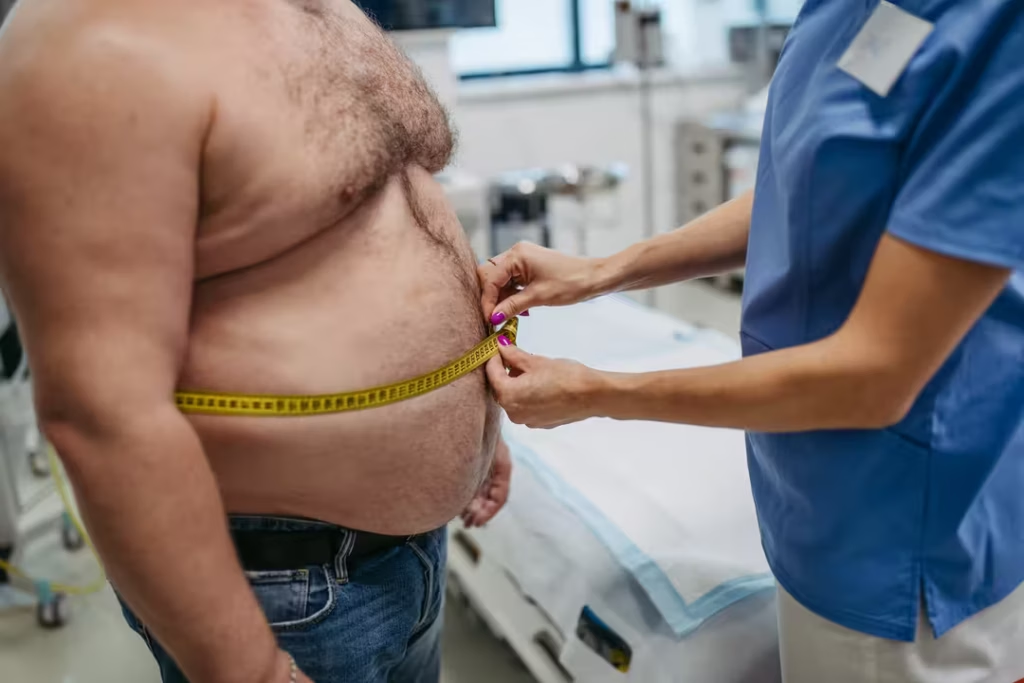
GLP-1 Therapies at Dr Smook & Partners
At Dr Smook & Partners, managed by RXME, GLP-1 treatments are customised to each patient and supervised by medical experts as part of a comprehensive programme. Nationwide access ensures that South Africans everywhere can benefit, not just those in major cities.
“Within weeks, patients notice fewer cravings, improved appetite control, and steady weight loss. Combined with lifestyle changes, this represents the future of preventative health, protecting South Africans’ hearts while helping them feel good in their own skin again,” Dr Smook concludes.
~ Dr Smook, Medical Practitioner
Sources & Links
To read more about the obesity crisis in South Africa and related health strategies, visit:
- World Obesity Atlas 2025
- Obesity Rates Likely to Double by 2030
- Evidence on Sugar Consumption in South Africa
- Non-Communicable Diseases in WHO African Region
For more articles, go here
