

“Dubai is ready for Africa.”
There are cities that sell themselves through landmarks. Others through history, beaches, gastronomy or luxury. Then there is Dubai – a city that increasingly sells something much bigger: possibility.
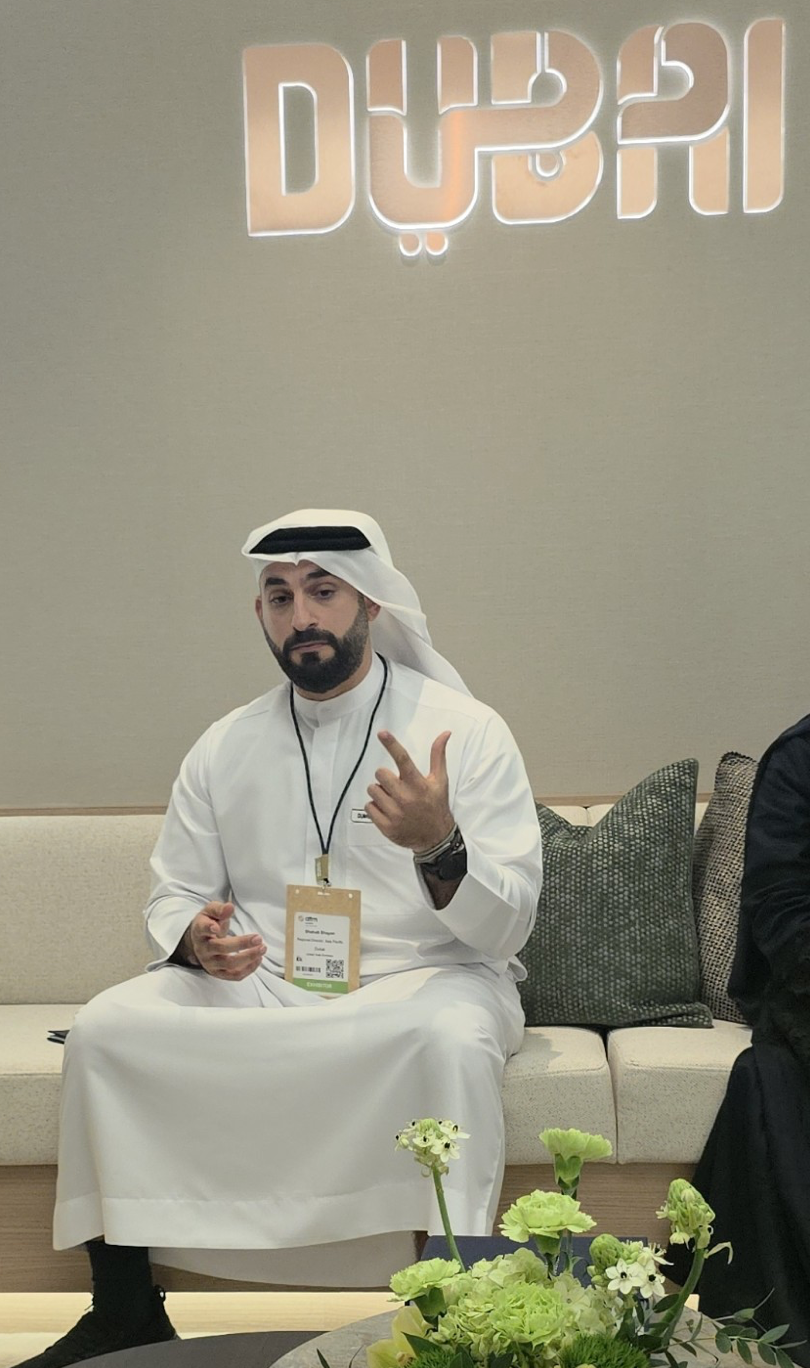
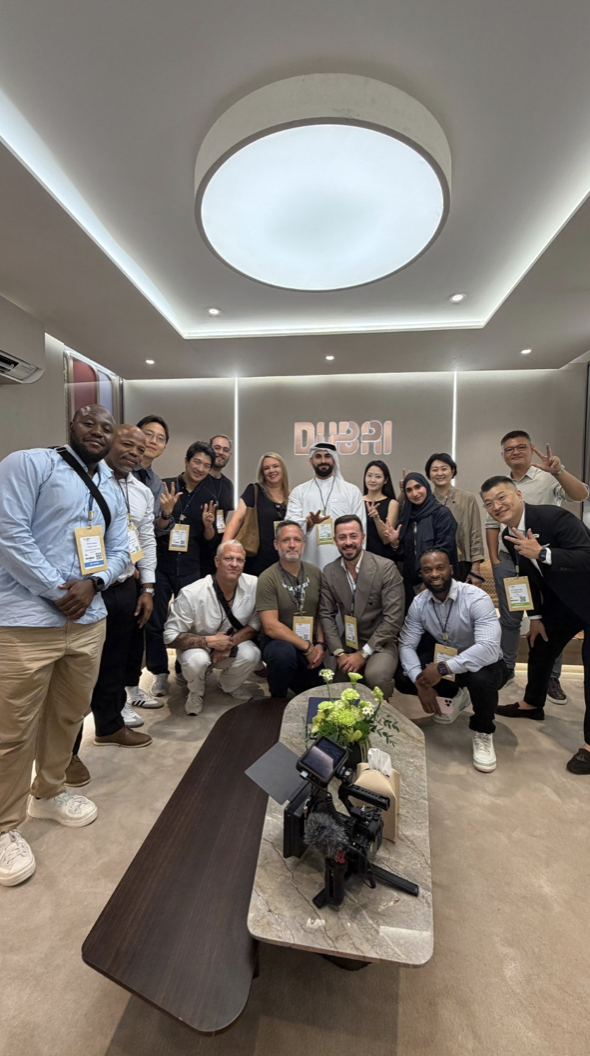
At ATM Dubai, JoburgStyle joined an international media briefing led by Shahab Shayan for a conversation that moved beyond hotel rooms, visitor arrivals and skyscrapers. It became a discussion about resilience, Africa, China and Korea, aviation, artificial intelligence, accessibility, sustainability, gastronomy and the extraordinary pace at which Dubai continues to reinvent itself.
THE NEVER-ENDING JOURNEY
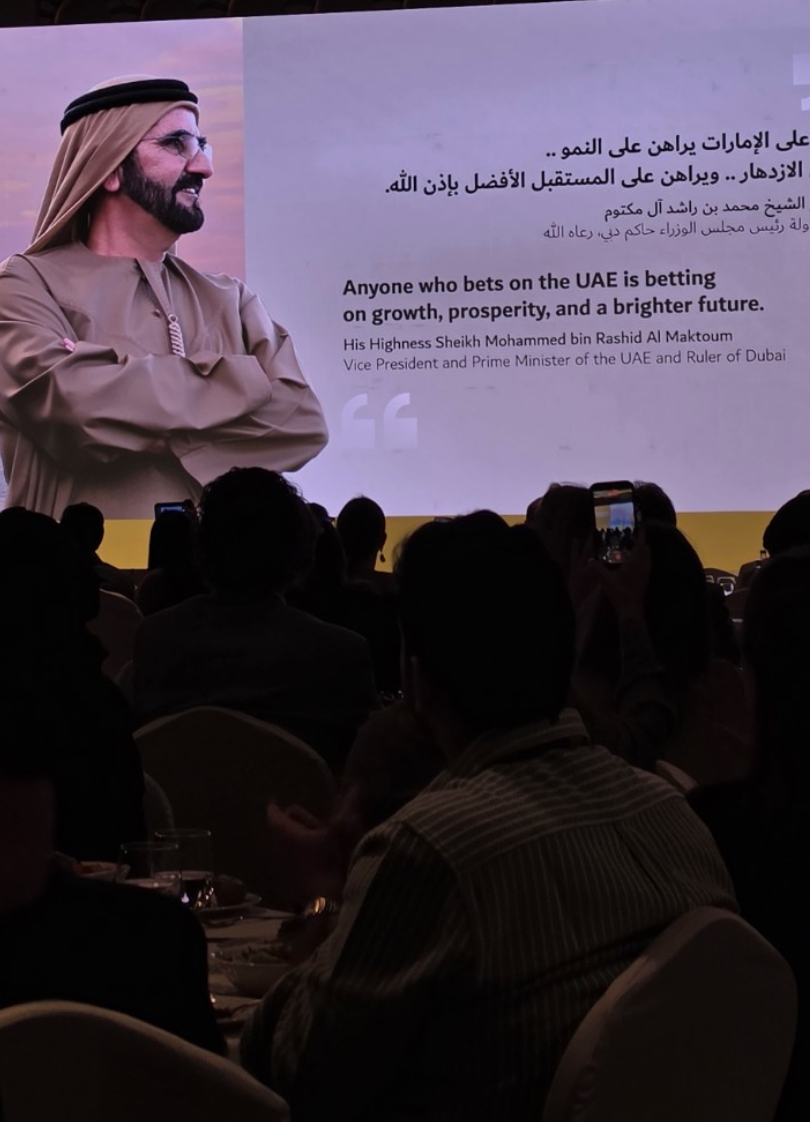
Shayan began not with tourism statistics but with leadership. Referencing His Highness Sheikh Mohammed bin Rashid Al Maktoum, he highlighted a philosophy that helps explain the city’s relentless ambition: the road to becoming number one is a never-ending journey.
For Shayan, this is about consistency in quality, ambition, effort and execution. It runs through Dubai’s wider D33 economic agenda and the ambition to establish the emirate among the world’s very best places to live, work and visit.
“Every six months, I see two or three bridges or a hotel and I go, ‘Well, I live here. How did I not know this?’”
— Shahab Shayan
Dubai builds, tests, learns, adjusts and builds again. Leave for six months and return and something will almost certainly have changed: a hotel, a restaurant district, a bridge, an attraction or a piece of infrastructure. That relentless evolution is the real story behind the skyline.
DUBAI BY THE NUMBERS
|
~7 MILLION |
~869,000 |
80+ |
~5% |
|
international visitors |
visitors in August |
active international markets |
Africa share discussed |
Dubai is not only five-star. The presentation showed five-star inventory at approximately 35%, four-star at 29%, three-star at 19%, two-star at 9% and one-star at 8%. Overall average occupancy shown was approximately 60%, with individual categories ranging from around 52% to 73%.
“Dubai is a place for all.” — Shahab Shayan
BEYOND THE SUPERCARS: Finding the soul behind the skyline
Dubai’s destination offers gastronomy, hospitality, arts and entertainment, retail, family activities, wellbeing and nature, connectivity, culture and heritage.
But, whilst Dubai may have become one of the world’s great showcases of luxury, Shayan believes the city’s real DNA lies somewhere else: its people. Close to 200 nationalities live here. People arrive expecting to stay a few years, then build careers, marry, raise families and make Dubai home.
“The DNA of Dubai is not the Burj Khalifa and the Dubai Mall. The DNA of Dubai is its people.” — Shahab Shayan
That human dimension is increasingly shaping the way Dubai tells its story. Shayan described a shift beyond superlatives toward communicating the soul of the city. Food is one of its clearest expressions. Approximately 14,000 eateries span Michelin-recognised dining, independent neighbourhood restaurants and cuisines from almost every corner of the world.


THE AFRICA QUESTION
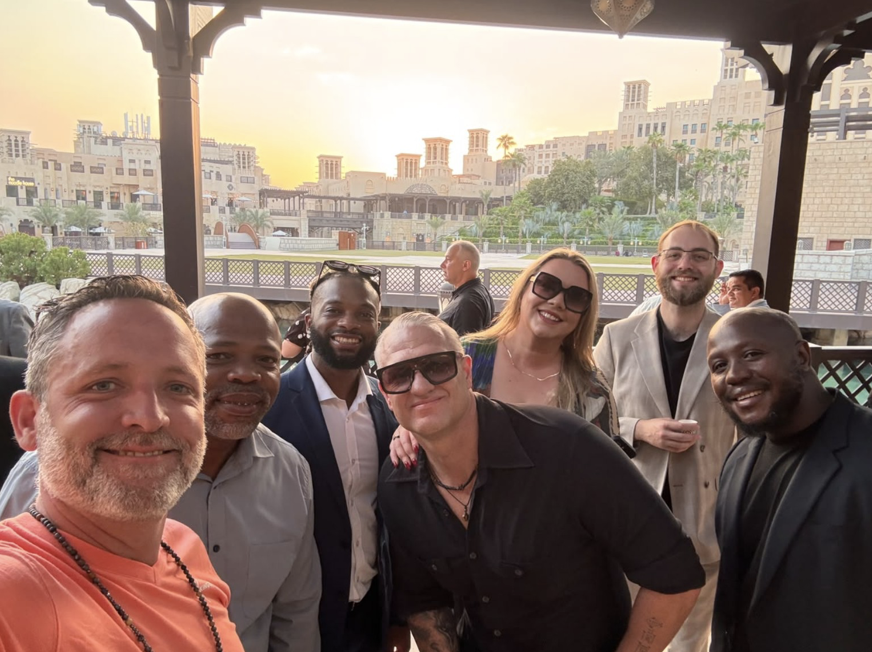
What happens if Africa stops seeing Dubai merely as somewhere to visit – and starts seeing it as somewhere to participate?
Having travelled to Dubai repeatedly, I have also arrived during periods when international reporting suggested the wider region was experiencing significant disruption. Yet what I repeatedly encountered on the ground was something different: flights operating, hotels welcoming guests, restaurants trading, malls busy and business continuing.
So during the Q&A, I put the proposition directly to Shayan: my objective is to bring more Africa to Dubai. How can South African and African media, tourism partners and businesses help bridge the gap between perception and what is actually happening here?
“I think it is what we’re doing right now, which is bridging, which is connecting.” — Shahab Shayan
Shayan wants that relationship to become deeper and more strategic. He encouraged media partners to engage directly with Dubai’s official tourism representatives, particularly during uncertain periods, and to experience the destination firsthand. Photographs and campaigns matter, but firsthand experience remains extraordinarily powerful.
“Once you guys come here and see it for yourselves, that will send a much stronger message to your readers and your colleagues.” — Shahab Shayan
SOUTH AFRICA x DUBAI: A relationship ready for its next chapter
South Africa is not a new market for Dubai. The relationship stretches back decades through aviation, tourism, commerce and investment. But Shayan believes considerably more opportunity lies ahead.
Africa’s share of Dubai’s visitor mix has increased from approximately 2% five or six years ago to around 5%, according to the figures discussed during the briefing, with South Africa contributing meaningfully to that trajectory.
The opportunity goes beyond holidays. Shayan sees potential across leisure, business, investment, MICE, events, hospitality and culture.
“Africa should not simply visit Dubai. Africa should participate in Dubai.”
Aviation and hospitality were presented as sectors that adjusted quickly and confidently, with business continuity at the centre.
The aviation figures shown during the briefing stated that 97% of Emirates’ global network had resumed, serving 138 destinations across 72 countries with more than 2,600 weekly flights.
BUILT FOR WHAT COMES NEXT
Connectivity. Accessibility. Sustainability. Wellness. These are Dubai’s strategic focus areas as presented at ATM Dubai.
Accessibility: Dubai was presented as the first Certified Autism Destination(TM) in the Eastern Hemisphere, with more than 70,000 people trained in autism and sensory awareness. Accessibility is being embedded across hotels, attractions, transport and visitor touchpoints.
Sustainability: The presentation stated that 287 hotels were awarded the Dubai Sustainable Tourism Stamp in 2026, up 55%. Dubai Can was reported to have helped eliminate more than 48 million single-use plastic bottles.
Wellness: Dubai’s Quality of Life Strategy 2033 and Dubai 2040 Urban Master Plan support a wider ambition around quality of life, longevity, wellness, movement and physical wellbeing.
THE NEXT DUBAI MAY BE ABOVE YOU
Expanding city capacity, advancing connectivity and introducing next-generation mobility.
Metro expansion, public transport, shared mobility, digital travel infrastructure, airport capacity and next-generation transport all form part of Dubai’s connectivity story. During the briefing, Shayan discussed air taxis as another example of Dubai’s willingness to test technologies that not long ago belonged to science fiction.
CHINA: WE’RE READY WHEN YOU’RE READY
Dubai’s China Ready strategy includes visa facilitation, Chinese payment ecosystems such as Alipay and WeChat Pay, cultural integration and Chinese New Year. Shayan also discussed engagement with Ctrip, Xiaohongshu/Little Red Book and Meituan, citing more than 9,000 Meituan bookings to Dubai between November and February, approximately 150% up.
KOREA: DOUBLING DOWN
For South Korea, his message was equally clear: Dubai is doubling down, looking for deeper connections through aviation, marketing, health, wellness and fitness.
AI WILL CHANGE TOURISM
Artificial intelligence is already influencing tourism research, analysis, marketing and content production. Yet Shayan stressed that technology cannot replace Dubai’s central competitive advantage: hospitality.
“Regardless of whatever technologies we have, that hospitality element still is quite crucial.” — Shahab Shayan
THE JOBURGSTYLE VIEW
Having visited Dubai many times, what continues to impress me isn’t simply how much the city builds. It is how quickly it adjusts. You leave. You return. Something has changed. A neighbourhood has evolved. A hotel has opened. A road has appeared. An idea that sounded futuristic suddenly exists.
Yet the more time I spend here, the more I believe Dubai’s biggest misconception is that its story is primarily about buildings. It isn’t.
“Dubai’s infrastructure gets you here. Dubai’s people make you want to return.”
For Africa – and particularly South Africa – there is an extraordinary opportunity sitting on our doorstep: tourism, hospitality, investment, media, events, entrepreneurship, technology, culture, food, fashion, creative industries and business.
We asked Dubai how Africa could become a bigger part of its story. The answer sounded remarkably like an invitation: bridge the markets, connect the people, come and experience it, tell the story accurately, and keep coming back.
DUBAI NEVER STANDS STILL. NEITHER SHOULD WE.
“We’re ready when you’re ready. Dubai is more than ready.” — Shahab Shayan
