


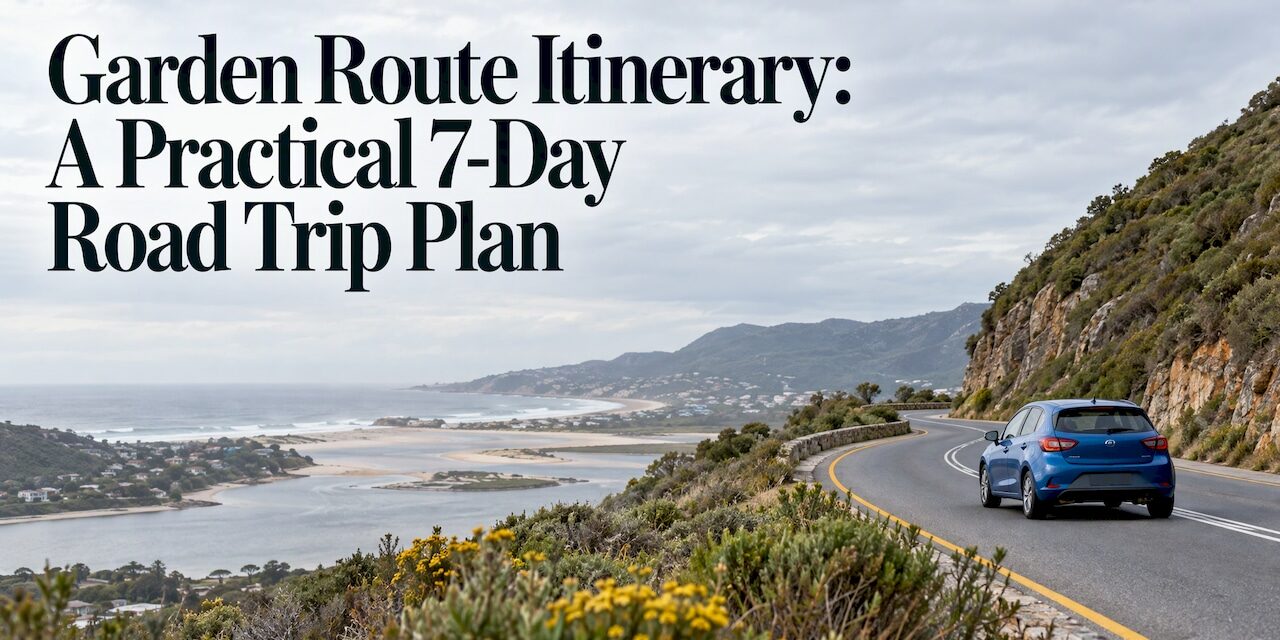
The best Garden Route itinerary for most travellers is seven days, driven west to east from Cape Town, with overnight stops in Mossel Bay or Wilderness, Knysna, Plettenberg Bay and Tsitsikamma, then a detour inland to Oudtshoorn and back along the R62. Five days is the comfortable minimum. Seven lets you add the inland leg without spending your holiday behind the wheel. Below you will find the route day by day, the distances, the highlights worth the time, and what to sort out before you leave.
TL;DR
- Plan for seven days if you can: five is the comfortable minimum, and seven adds Oudtshoorn without rushing.
- Drive Cape Town to the coast in two easy stages rather than one long day: the straight run to Gqeberha is roughly 750 to 770 km.
- Sleep in four coastal bases (Wilderness or Mossel Bay, Knysna, Plettenberg Bay, Storms River) and let each be a hub for day trips.
- Drive in daylight, expect roadworks around George and Wilderness, and keep one afternoon empty.
- Check park fees and opening times on the official SANParks page, because they change each year.
Table of Contents
- Where the Garden Route starts and ends
- How many days do you need?
- Driving distances at a glance
- The 7-day itinerary, day by day
- Highlights worth planning around
- Practical details before you set out
- When to go
- Fitting the Garden Route into a wider South Africa trip
- Our perspective
- More travel and lifestyle ideas from JoburgStyle
- FAQ
- Sources
Where the Garden Route starts and ends
The official description of the Garden Route runs from the rural town of Heidelberg in the west to Storms River Mouth in the east. In practice, many travellers treat Mossel Bay or George as the western entry point and Gqeberha (Port Elizabeth) as the eastern end. That is the version this itinerary follows, because it matches how the road is actually driven: you leave the Cape Town side, pick up the N2 and follow it east past the lagoons, forests and beaches.
The stretch is short on the map and long in what it holds. The coast between Mossel Bay and Storms River is only a few hours of driving end to end, which is exactly why people get the pacing wrong. They try to see everything in three days and spend most of it in the car.
How many days do you need?
The honest answer depends on whether you are doing a loop from Cape Town or arriving by air in George or Gqeberha.
| Days | What it suits | What you realistically see |
|---|---|---|
| 3 | Long weekend from a nearby base | Knysna, Plettenberg Bay and one or two activities |
| 5 | Comfortable minimum for a Cape Town round trip | Mossel Bay or Wilderness, Knysna, Plettenberg Bay, Tsitsikamma |
| 7 | Best balance | The above plus Oudtshoorn and the R62 route home |
| 10 to 14 | Slow travel, wider South Africa trip | Adds Addo, Gqeberha, Gansbaai or the Karoo |
The five-day minimum and the seven-day Oudtshoorn option come down to simple arithmetic. Cape Town to Mossel Bay alone is around 385 km and about four hours, and you will want to stop and look at things between the towns.
Driving distances at a glance
Knowing the legs helps you decide where to sleep. The figures below come from a 2026 road-trip guide and are approximate, since traffic and roadworks change the real time.
| Leg | Distance | Typical time |
|---|---|---|
| Cape Town to Mossel Bay | about 385 km | about 4 hours |
| Mossel Bay to George | about 50 km | about 40 minutes |
| George to Wilderness | about 15 km | about 15 minutes |
| Wilderness to Knysna | about 40 km | about 40 minutes |
| Knysna to Plettenberg Bay | about 30 km | about 30 minutes |
| Plettenberg Bay to Storms River | about 70 km | about 50 minutes |
| Storms River to Gqeberha | about 175 km | about 2 hours |
The pattern is clear: after the first leg, almost everything is under an hour apart. That is the real advantage of the Garden Route. You can unpack once in a town and see a lot from there. Cape Town to Gqeberha in one go is roughly 750 to 770 km, an eight to nine hour day that defeats the purpose of the trip.
The 7-day itinerary, day by day
Day 1: Cape Town to Wilderness
Leave early and break the drive. Take the N2 east, and consider the R62 side of the Overberg or a stop in Mossel Bay if you want to split the four-hour leg. Mossel Bay is where adventure travellers get their first taste: National Geographic highlights its ocean zip-line and sandboarding down the Dragon Dune. If you reach the coast by early afternoon, push on to Wilderness for the evening, where the beach and lagoon are within walking distance of most guesthouses.
Where it goes wrong: leaving Cape Town at 10 am and arriving after dark. Rural stretches of the N2 are best driven in daylight, so build the first day around that.
Day 2: Wilderness to Knysna
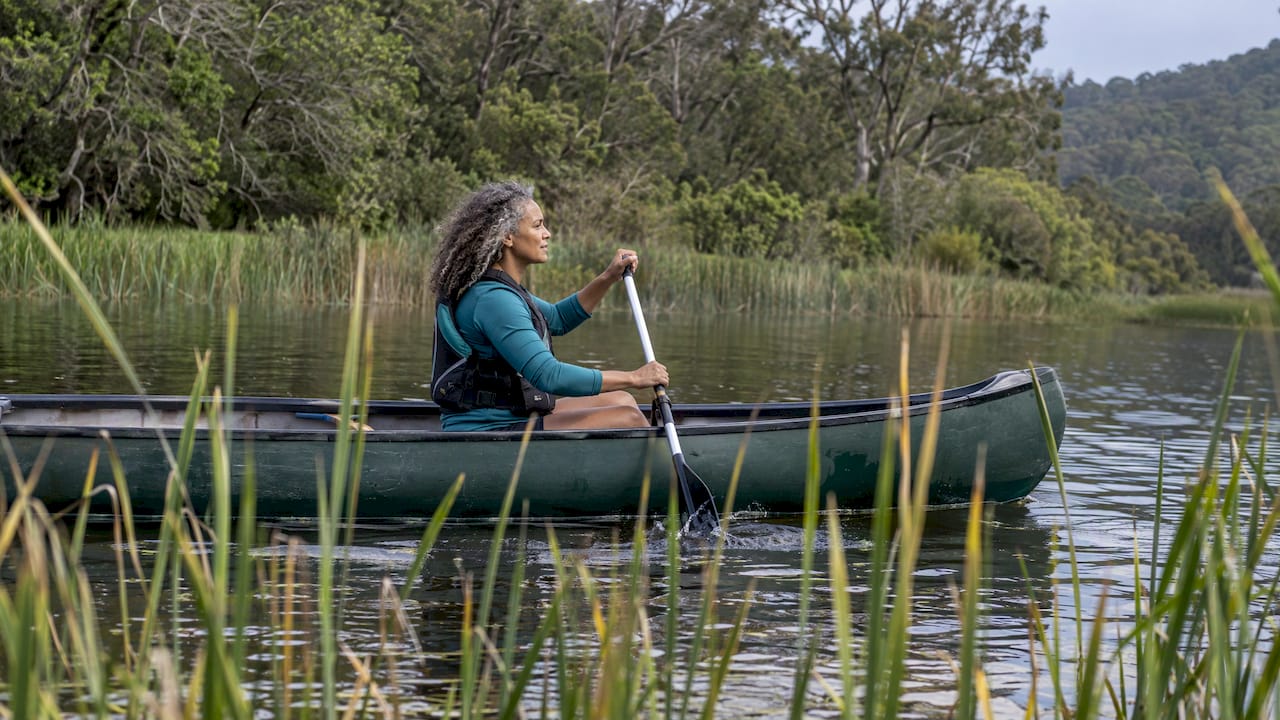
Spend the morning in Wilderness. The same National Geographic piece mentions the beach and canoeing on the Touws River, and a paddle among the reeds is a gentle way to start. The drive to Knysna is only about 40 minutes, so there is no need to hurry.
In Knysna, the lagoon is the centre of things. Oysters are the local signature, and the waterfront suits a long lunch. Walk the headland viewpoints if the weather is clear, and book a table in advance in peak season.
Day 3: Plettenberg Bay
Plettenberg Bay is about 30 minutes from Knysna, so you can leave late. The area is known for wine and canyoning, and the Robberg peninsula is the classic walk for sea views and seals. Keep this as a beach and coast day. It is also the natural place for the unscheduled afternoon: a late lunch, a swim, a sunset.
Day 4: Tsitsikamma and Storms River
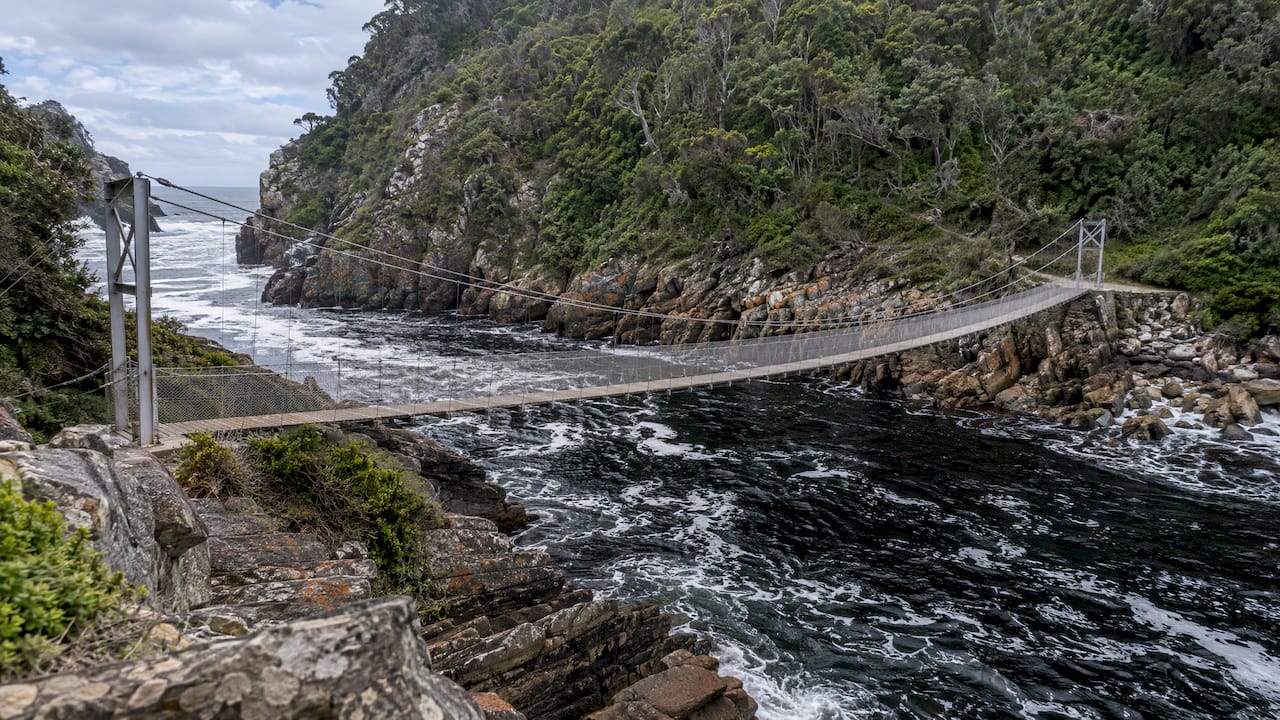
The drive from Plettenberg Bay to Storms River is about 70 km. Along the way sits Bloukrans Bridge, where the bungee jump drops 709 feet, whether you jump or just watch from the walkway. Storms River Mouth is the park highlight: the suspension bridge, the rocky shoreline and the forest trails.
Before you go, check the official SANParks rates and entry fees page. Conservation fees for Storms River Mouth, Nature’s Valley, Wilderness and Knysna are published per fee year, with separate tariffs for South African citizens and residents, SADC nationals and international visitors, and they are reset each November. Look up the current table rather than relying on an old blog figure.
Day 5: Addo Elephant National Park
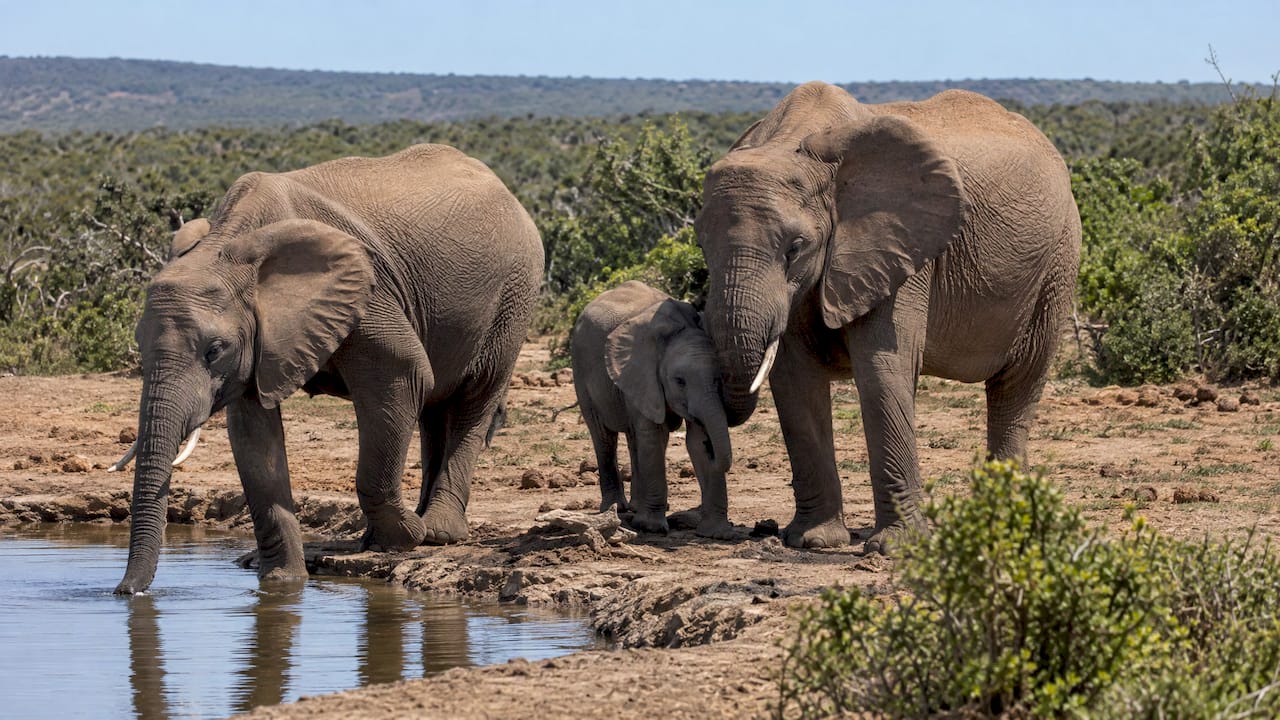
From Storms River, Addo is a long but rewarding day. It adds game viewing to a trip that is otherwise coast and forest, and gets you closer to Gqeberha if you are flying out of there. If you are returning to Cape Town, you can instead skip Addo and spend an extra night in Tsitsikamma.
Day 6: Oudtshoorn
The inland detour to Oudtshoorn adds the Little Karoo to the trip. Expect a drive of about 380 km if you come straight from Addo, so allow four to five hours, and plan a late arrival rather than an activity-packed afternoon. If you prefer a shorter day, drive Knysna to Oudtshoorn over the Outeniqua Pass from a coastal base instead of dropping Addo from the plan.
Day 7: The R62 back to Cape Town
The R62 is the scenic route home through the Little Karoo, with Montagu as a good lunch or overnight stop. It is a longer day, around 420 km, so start early and leave room for roadside stops. It beats retracing the N2 and gives the trip a loop shape.
Highlights worth planning around
You will not do everything. Pick a few and let the rest go.
- For adventure: Mossel Bay’s zip-line and Dragon Dune sandboarding, Plettenberg Bay canyoning, and the Bloukrans bungee.
- For food and wine: Knysna oysters and the wine farms around Plettenberg Bay.
- For nature: Wilderness’s lagoon, Robberg, Tsitsikamma’s forest trail and Storms River Mouth.
- For slow days: beaches, lagoon walks and long lunches, which are what the route is best at.
All of these are drawn from the National Geographic Garden Route guide, and each can be added or dropped without breaking the route.
Practical details before you set out
Roads. Drive in daylight on the rural N2. Roadworks by SANRAL around George and Wilderness can cause stop-go delays, so add a buffer to any time you have booked. Speed limits are 120 km/h on freeways, 100 km/h on other rural roads and 60 km/h in towns unless signs say otherwise.
Parks. Check fees and opening times on the official SANParks page above before each park day. Fees differ by residency, and children pay less.
Pacing. Leave one afternoon with nothing in it. The Garden Route rewards the traveller who lets a good beach or lunch run long.
Booking. Accommodation and activity slots fill up in the December and January school holidays, so book well ahead if you travel then.
When to go
The Garden Route is a year-round destination, but the experience changes with the season. Summer, from December to February, is warm and busy, and the beach towns are at their most crowded during the school holidays. The shoulder months, around March to May and again in spring, usually bring thinner crowds and easier booking. Winter is quieter and cooler, and better for hiking and walking than for swimming. Because rain can fall in any month along this coast, pack a light waterproof whatever the season and treat weather as something to be flexible about, particularly for canyoning, boat trips and the bungee.
Fitting the Garden Route into a wider South Africa trip
The Garden Route works as the middle of a longer journey. A common pattern is to fly into Cape Town, spend a few days there, drive the coast east and fly home from Gqeberha. If time is tight:
- Three or four days: choose Knysna and Plettenberg Bay as a base pair and skip the inland loop.
- Five days: drive Cape Town to Wilderness, Knysna, Plettenberg Bay and Tsitsikamma, then fly or drive on.
- Seven days or more: add Oudtshoorn and the R62 so you do not repeat the same road.
If you are travelling from Gauteng, you will fly to Cape Town or George first, and the one-way route east is more efficient than a round trip. For shorter breaks closer to home, our guide to weekend getaways from Johannesburg covers nine escapes within three hours’ drive. If you plan to camp along the way, our tips for first-time campers cover the basics, and our family activity ideas are useful if children are coming along.
Our perspective
We write about South Africa from Johannesburg, and most of the people who read us start a trip like this from Gauteng, not from the coast. For them, the Garden Route is not a place you drop into on a whim: it needs a flight, a car and a plan.
Our view is simple. Choose fewer places and stay longer in each. The towns along this road are close together, and the best days are the ones where you arrive early, walk somewhere, eat well and go to bed without a deadline. That is the kind of travel we cover on JoburgStyle, from hotels and game reserves to family outings and fine dining, with a focus on the local people and places that make a destination feel specific.
Use this itinerary as a frame. Swap the zip-line for a long lunch, or Addo for another night in Tsitsikamma. The route will still work.
Chad
More travel and lifestyle ideas from JoburgStyle
JoburgStyle is an online platform covering travel, hotels, game reserves, family outings, fashion, arts and culture across Johannesburg, South Africa and beyond. If you are still planning, browse our travel coverage for destination ideas, event reports and local recommendations from across the country.

Start on the JoburgStyle homepage to find our latest stories on destinations, local designers and cultural events.
FAQ
How many days do you need for the Garden Route?
Five days is the comfortable minimum for a round trip from Cape Town, and seven lets you add the Oudtshoorn detour without rushing. If you only have three, base yourself in Knysna and Plettenberg Bay and skip the long drives.
Where does the Garden Route start?
The official description runs from Heidelberg in the west to Storms River Mouth in the east. Most travellers treat Mossel Bay or George as the western entry point and Gqeberha as the eastern end.
Is it safe to drive the Garden Route?
The N2 is a well-used national road, and the main advice is to drive in daylight, respect the posted speed limits and expect stop-go delays where roadworks are running around George and Wilderness. Plan your overnight stops so you never arrive after dark.
Which month is best for the Garden Route?
Summer is warm and lively but busiest in the school holidays. The months either side, roughly March to May, tend to be calmer with easier bookings. Winter is quiet and better suited to walking than swimming.
Can I do the Garden Route in a day?
You can drive a large part of it, but Cape Town to Gqeberha is roughly 750 to 770 km, an eight to nine hour day. That leaves almost no time to stop, so it is better to split it over several nights.
Sources
- The Garden Route Travel Guide 2026
- How to spend six days driving South Africa’s Garden Route
- Garden Route Road Trip: Itinerary, Costs and Stops (2026)
- Garden Route National Park rates and entry fees
