

Stephen Manzini calls for greater retail access, international partnerships and stronger support for African designers as fashion leaders gather in Moscow
African fashion is commanding increasing attention on international runways, but the next challenge lies beyond the catwalk. For the continent’s designers to build sustainable businesses, their collections need to become more accessible to everyday consumers.
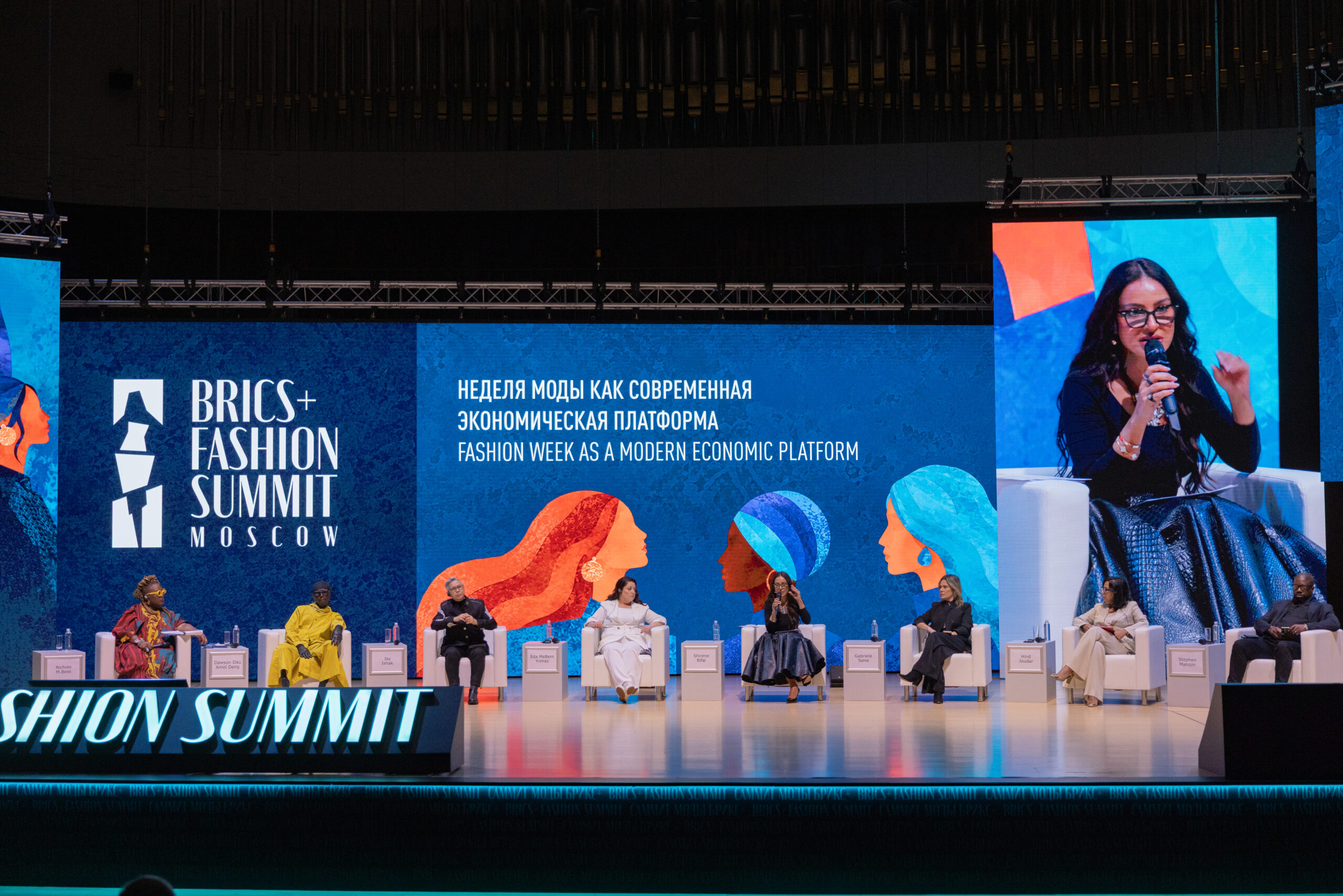
This was the message from Stephen Manzini, Founder and CEO of Soweto Fashion Week and President of the South African Fashion Association, during the BRICS+ Fashion Summit in Moscow, Russia.
Addressing an international audience of fashion executives, retailers and investors, Manzini called for stronger collaboration between African designers, retail businesses and global industry partners. His vision is to move African fashion beyond exclusive showcases and into mainstream retail spaces, where consumers can discover and purchase locally designed collections.
Bringing African Fashion from the Runway to Retail
The BRICS+ Fashion Summit brought together industry leaders from more than 60 countries to explore the future of fashion in emerging economies. Held alongside Moscow Fashion Week, the international forum examined the challenges facing developing fashion markets, from production costs and retail distribution to international trade requirements.
While African designers continue to celebrate their cultural heritage through distinctive collections, Manzini believes this creativity needs to translate into greater commercial opportunities.
Fashion shows and festivals regularly highlight the continent’s extraordinary design talent. However, this diversity is not always reflected in the clothing available in stores. Creating stronger connections between designers, department stores, independent boutiques and retailers could help close this gap.
International partnerships also have an important role to play. Manzini revealed that Soweto Fashion Week has already established valuable business relationships with fashion professionals and retailers from Brazil and Sri Lanka through its participation in the summit.
“The BRICS+ Fashion Summit is creating a new global platform where emerging fashion markets can connect, collaborate and do business. It moves the conversation beyond traditional fashion capitals and gives countries like South Africa an opportunity to contribute to the global fashion agenda,” said Manzini.
Creating Commercial Opportunities for Local Designers
For emerging African fashion brands, gaining access to established retail networks can be transformative.
Colleen Eitzen, co-founder of South African retail chain The Space, shared insights into a business model designed to give independent designers greater exposure without the financial burden of opening their own stores.
The Space offers local designers an opportunity to sell their collections through its physical retail network, earning a commission on each sale. This approach allows smaller labels to reach established customer bases while focusing their resources on design and production.
Beyond retail exposure, the model provides designers with valuable consumer insights. Real-time sales information reveals which garments, colours and sizes resonate with shoppers, helping brands refine their collections and respond to changing demand.
Personalised customer service adds another advantage. Sales consultants develop relationships with shoppers and introduce them to new arrivals from their preferred designers, creating a more direct connection between African fashion labels and their customers.
Breaking Down Barriers to International Fashion Markets
Although international expansion offers exciting possibilities, African fashion brands continue to face significant challenges when entering overseas markets.
Brian James Kihindas, Director of Nairobi Fashion Week and the Kenya Fashion Council, highlighted the financial and administrative demands associated with international trade.
Certification processes, product testing and detailed production documentation can place considerable pressure on smaller businesses. Many emerging designers lack the financial resources and infrastructure required to meet these obligations.
Kihindas advocated for stronger cooperation between countries, including regional product-testing laboratories and improved support systems to help designers navigate international market requirements.
Such initiatives could make global trade more accessible to independent African labels and encourage the development of a more competitive fashion industry.
Why African Fashion Needs Stronger Global Partnerships
The challenges extend beyond international regulations.
Nana Addo Tamakloe, Founder and CEO of Accra Fashion Week in Ghana, addressed the impact of second-hand clothing imports on local fashion businesses.
The availability of inexpensive imported garments creates intense competition for African manufacturers. Smaller brands often struggle to compete on price, while premium designer collections remain financially out of reach for many local consumers.
As a result, access to international buyers and retail networks is becoming increasingly important for the long-term sustainability of African fashion businesses.
Expanding into new markets could allow designers to reach customers who value craftsmanship, originality and the cultural narratives behind their collections.
African Fashion Leaders Unite in Moscow
The BRICS+ Fashion Summit provided an important platform for collaboration between representatives from across Africa and the wider international fashion industry.
Alongside South Africa, Kenya and Ghana, the summit welcomed influential industry figures from Ethiopia, Botswana, Namibia, Mauritius and Seychelles.
Participants included Mahlet Teklemariam, Founder of Hub of Africa Fashion Week and a BoF 500 member; Mmantlha Sankoloba, CEO of the Botswana Exporters and Manufacturers Association; Kalistu Ramos Mukoroli, Director of MTC Windhoek Fashion Week; Rick Anderson, Director of Mauritius Fashion Festival Week; and Tery Carola, President and CEO of Seychelles Fashion Week.
The broader programme also featured representatives from the International Apparel Federation, PT Pan Brothers Tbk, FARM Rio and Wildberries, alongside internationally recognised fashion experts.
Together, these conversations reinforced the importance of building a more connected fashion economy, where emerging markets have greater influence over international industry decisions.
The Future of African Fashion Is Beyond the Catwalk
African fashion has established a distinctive creative identity, drawing international interest through its craftsmanship, cultural influences and contemporary design perspectives. Yet visibility alone cannot sustain an industry.
For designers to grow commercially, creativity must be supported by accessible retail opportunities, effective distribution networks and partnerships that encourage long-term development.
Manzini’s message at the BRICS+ Fashion Summit reflects a broader ambition for the continent’s fashion industry: to ensure that African designers are not only celebrated on international runways but also represented in the stores where consumers shop.
As collaboration between emerging fashion markets continues to strengthen, the opportunity lies in transforming international recognition into meaningful commercial growth.
For African fashion, the next chapter is not simply about being seen. It is about being worn, purchased and valued in markets around the world.
